
5 Best Nasal Dilators for Snoring – Try These Tonight
If you’re tired of waking up to complaints about your snoring or feeling groggy from restless nights, then nasal dilators could be for you.
These clever little devices are designed to open the airways, cut down on snoring, and help you (and your partner) sleep soundly. With so many options out there, we’ve narrowed down the best nasal dilators for snoring to try today.
Quickly Compare the Top Picks – Jump to Our Comparison Chart
Disclosure: As an Amazon Associate we earn a small commission from qualifying purchases.
Why Nasal Dilators Work for Snoring
Snoring happens when air struggles through narrow nasal passages, vibrating tissues in your throat. Nasal dilators tackle this head-on by widening your nostrils, reducing resistance, and letting you breathe easy.
Clinical studies show that when your nasal passages are properly dilated, airflow can increase by up to 18% on average, directly addressing one of the primary causes of snoring.
Not sure if nasal dilators are right for you? Check out our guide of natural remedies to stop snoring to explore alternatives.
Top 5 Nasal Dilators for Snoring in 2026
Properly fitted nasal dilators can help reduce snoring intensity and improve oxygen saturation during sleep. Research indicates they may be particularly effective for people with nasal valve collapse or congestion-related snoring.
Below, we’ve analyzed countless user experiences, and compared technical specifications to bring you detailed insights on the five best nasal dilators worth considering.
1. Top Pick – Hale Breathing Nasal Dilator
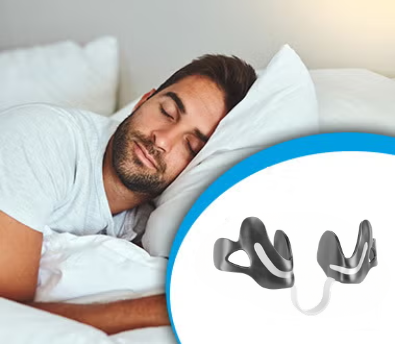
If nasal strips haven’t made much of a dent in your snoring, it may be because the restriction is happening inside the nasal passage, not on the surface.
Hale Breathing is an internal nasal dilator designed to improve airflow. It was developed by Dr. Patrick Byrne, a facial plastic surgeon who spent two decades treating nasal obstruction before creating a drug-free alternative to surgery.
Hale comes with three sizes so you can find a fit that feels secure without pressure, and the soft, clear design is meant to be low-profile enough that most people won’t notice you’re wearing it.
Why It Stands Out: Developed by a board-certified facial plastic surgeon; comes in three sizes for a more personalized fit; designed for round-the-clock use, not just sleep; includes a compact carrying case and optional insertion and removal tools.
Who It May Suit: People who haven’t gotten much relief from external strips, or those dealing with nasal valve collapse, a deviated septum, or chronic nasal congestion that makes nighttime breathing difficult.
How to Use It: Choose your size, insert before bed using the optional tool if needed, then breathe. Rinse and store in the case between uses.
Fit Tip: Start with the medium unless you already know your nostrils run narrow or wide. The flexible material adjusts somewhat to your anatomy, but getting the right size upfront makes a noticeable difference in comfort.
Where to Get It: Hale Breathing website
2. Mute Nasal Dilator
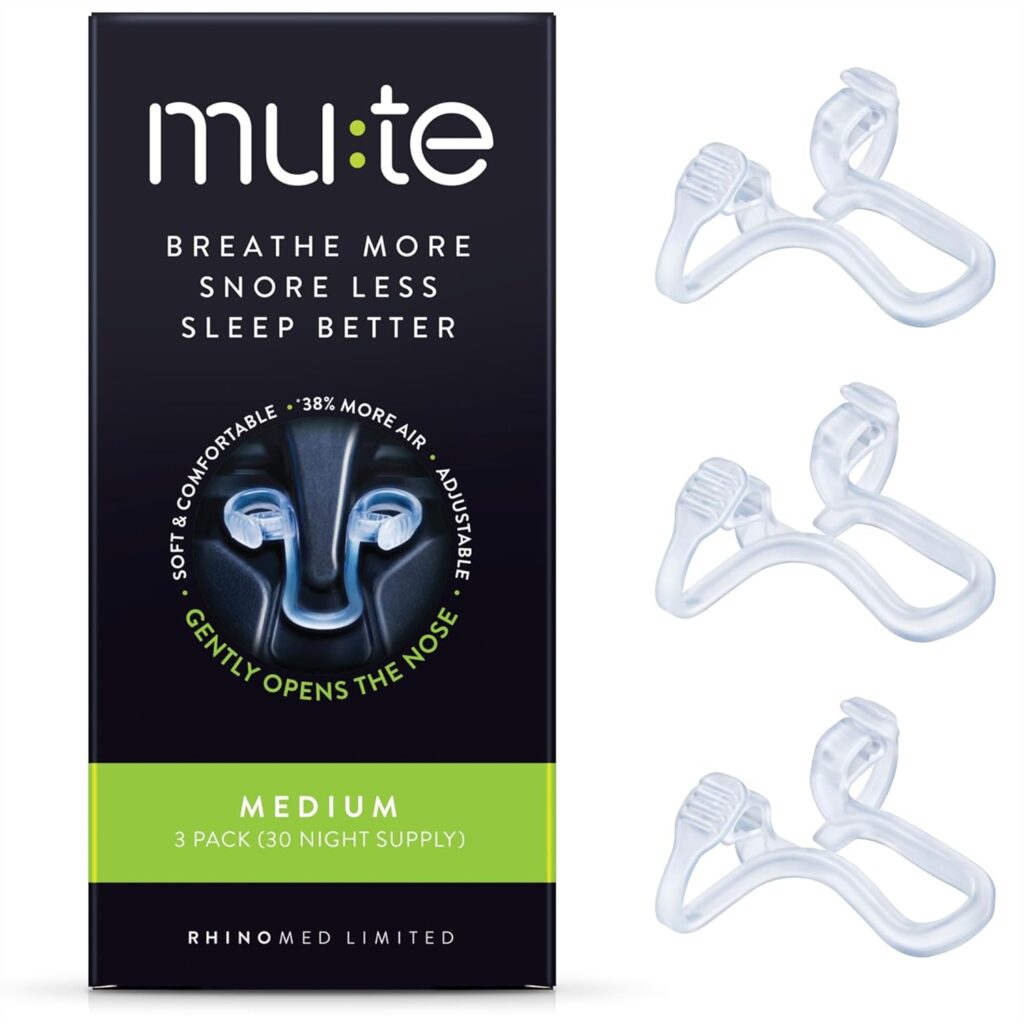
If snoring tends to get worse when your nose feels blocked, Mute is one option designed to gently open the nasal passages so breathing feels easier at night. It uses soft, adjustable stents and comes in different sizes, with a low-profile shape that’s meant to sit discreetly inside the nostrils.
Why it Stands Out: Adjustable stents, medical-grade materials, multiple size options.
Who it May Suit: People who suspect their snoring is linked to nasal restriction or nighttime congestion.
How to Use It: Insert before bed. Each unit is intended for multiple nights of use (often up to around 10 nights, depending on care and wear).
Fit Tip: Start with a starter pack (small/medium/large) to find the size that feels secure without pressure.
Where to Get It: Mute Nasal Dilator on Amazon
3. AirMax Nasal Dilator
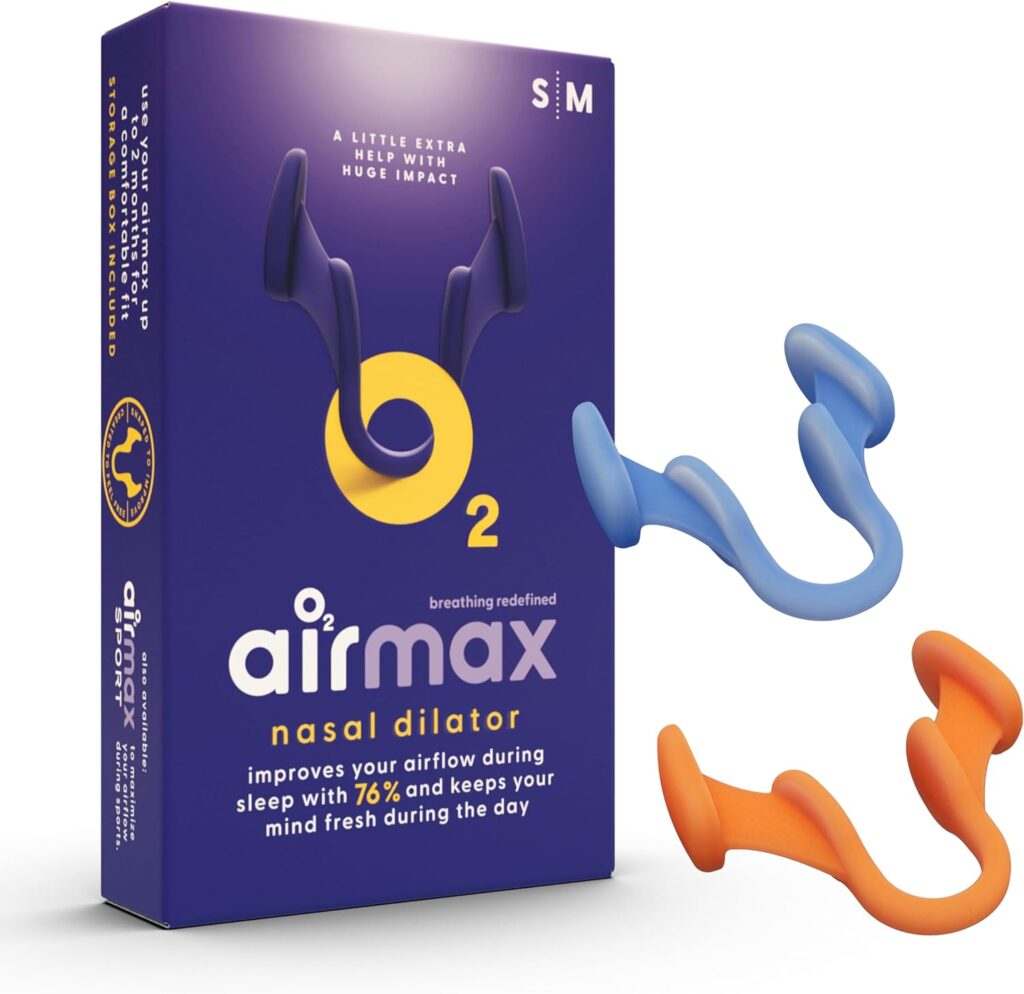
If your nose gets irritated easily, AirMax is a nasal dilator that skips adhesives and instead sits just inside the nostrils to gently hold them more open. It’s made with skin-friendly materials and has a lightweight feel, which can make it easier to tolerate overnight.
Why It Stands Out: No adhesive; designed for sensitive skin; reusable with regular cleaning.
Who it May Suit: People who react to nasal strip glue, or who want a reusable option for nasal restriction or allergy season.
How to Use It: Insert before bed, then wash and dry it regularly (most people use mild soap and water).
Fit Tip: If you have narrower nostrils, start with the small size so it feels secure without pressure.
Where to Get It: AirMax Nasal Dilator on Amazon
4. Breathe Right Original Nasal Strips
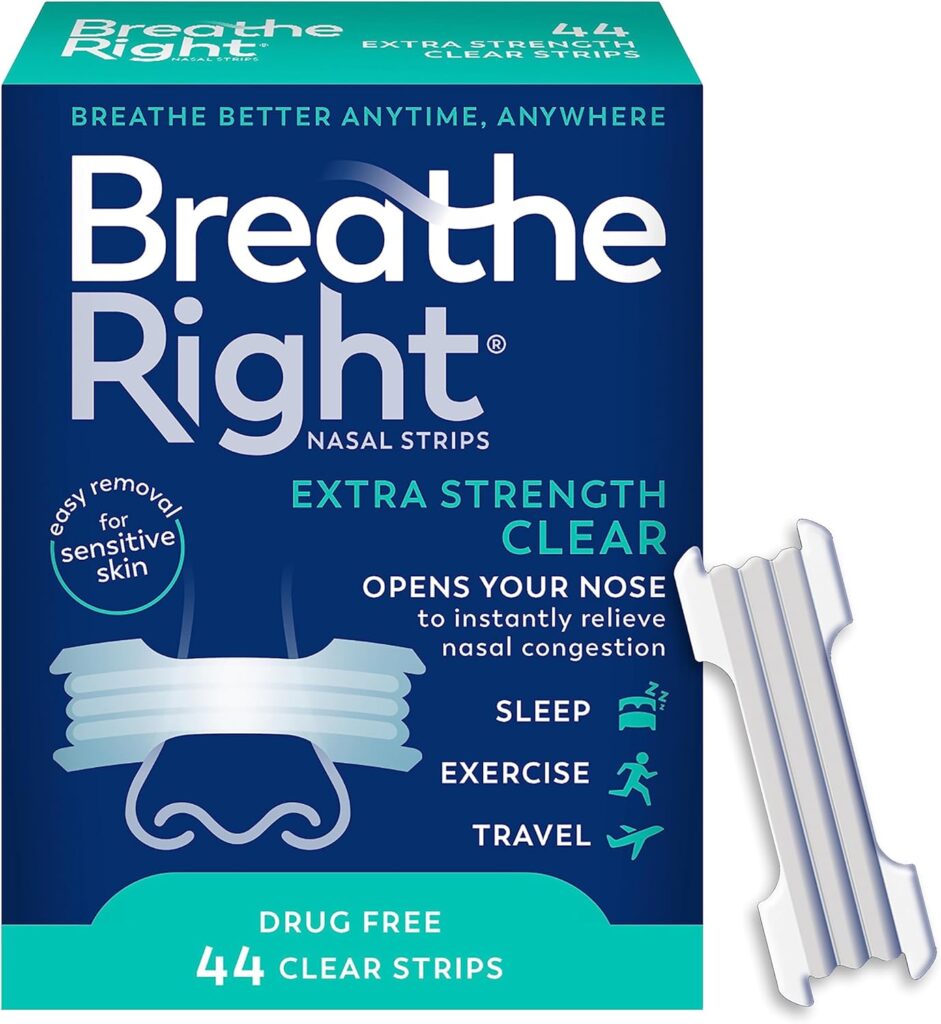
If you want a simple, budget-friendly option, Breathe Right Original Nasal Strips are designed to lift the sides of the nose from the outside to help you breathe a little easier at night. They’re single-use strips with a strong adhesive, so there’s nothing to insert or clean.
Why It Stands Out: Easy to use, no internal device, one-step use.
Who it May Suit: People whose snoring seems tied to mild nighttime stuffiness or mild nasal congestion
How to Use It: Apply to clean, dry skin before bed, then remove and discard in the morning.
Fit Tip: Press firmly along the full strip so it bonds evenly. If the edges lift, the strip won’t hold as well.
Where to Get It: Breathe Right Original Nasal Strips on Amazon
5. SnoreLessNow Airflow Clip Nasal Dilator
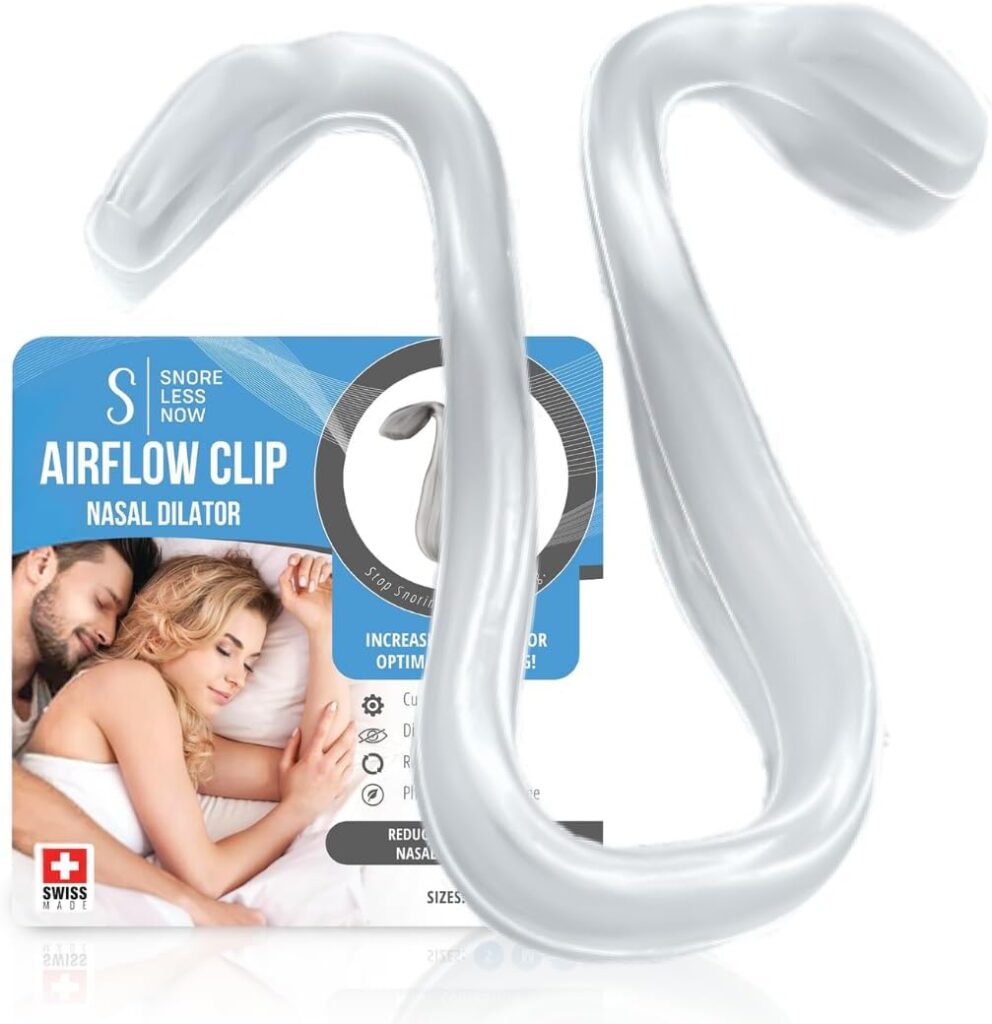
SnoreLessNow Airflow Clip is a Swiss-made nasal dilator designed to sit inside the nostrils and gently hold them more open while you sleep. It’s made from soft biomedical-grade polymers and is listed as BPA-free, phthalate-free, and latex-free. You can choose from small, medium, or large (or a trial pack), and the brand notes it’s reusable for up to about 90 days with regular cleaning.
Why It Stands Out: Comes in multiple sizes (small/medium/large) for a more personalized fit, uses a reusable clip-style design, and is listed as latex-free, BPA-free, and phthalate-free.
Who It May Suit: People who don’t love adhesive strips and want a dialed-in fit, especially if one-size dilators feel too tight or too loose.
How to Use It: Try sizes to find a secure fit, wear overnight, then rinse and dry after use.
Fit Tip: Medium is usually the easiest starting point unless you know your nostrils run narrow.
Where to Get It: SnoreLessNow Airflow Clip on Amazon
How to Choose the Right Nasal Dilator for Snoring
When choosing the right nasal dilator (also known as nostril enlargers or airflow enhancers), consider factors such as comfort, effectiveness, reusability, and your specific nasal anatomy:
Types of Nasal Dilators: External vs. Internal
External Nasal Dilators
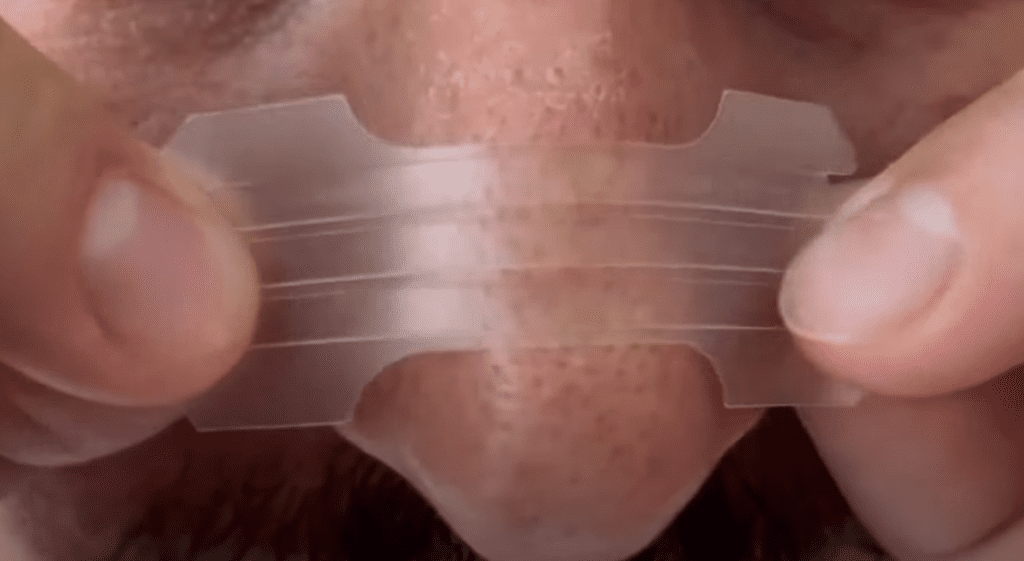
- Work like a “bridge lift” for your nose
- Use adhesive strips with flexible bands
- Sit on the outside of your nose
- Best for: sensitive nostrils, CPAP users, temporary use
Internal Nasal Dilators
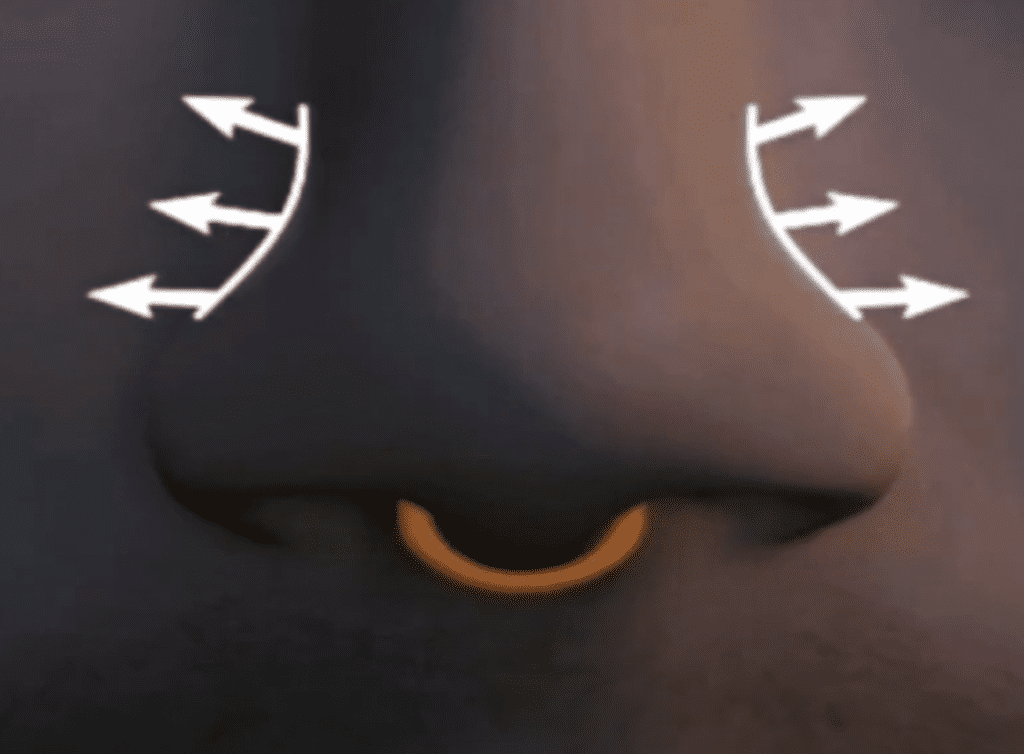
- Insert inside the nostrils
- Made from soft, medical-grade materials
- Available in various sizes and shapes
- Best for: long-term use, active sleepers, consistent results
6 Essential Factors to Consider When Choosing Your Nasal Dilator
- Material: Look for hypoallergenic materials if you have sensitive skin. Most quality nasal dilators are made from medical-grade materials like silicone to minimize the risk of irritation.
- Size: Many internal dilators come in many sizes – make sure to choose one that fits comfortably. Some brands offer variety packs or adjustable options to help you find the right fit.
- Reusability: Consider whether you prefer disposable options or reusable devices. Reusable dilators can be more cost-effective in the long run but need regular cleaning.
- Price: Factor in both the upfront cost and long-term value, especially for reusable options. While some high-end dilators may seem expensive initially, they could save you money over time if they’re durable and effective.
- Comfort: Look for designs that prioritize comfort, especially if you plan to wear the dilator all night. Soft, flexible materials and ergonomic designs can make a big difference in your sleep quality.
- Effectiveness: Read reviews and consider trying different options to find the most effective solution for your specific snoring issue.
Nasal Dilators to Stop Snoring: Product Comparison Chart
Top Nasal Dilators Compared
| Product | Price | Reusability | Best For | Buy Now |
|---|---|---|---|---|
| Hale Nasal Dilator | $$ | 10-15 Nights | Nasal Obstruction | Buy Now |
| Mute Nasal Dilator | $ | 10 Nights | Easy Breathing | Buy on Amazon |
| Breathe Right Strips | $ | Single Use | Tight Budgets | Buy on Amazon |
| AirMax Nasal Dilator | $ | 90 Days | Sensitive Noses | Buy on Amazon |
| SnoreLessNow Clip | $$ | 30 Days | Flexibility | Buy on Amazon |
The Science Behind Nasal Dilators
Nasal dilators work by physically opening the nasal passages, which can become constricted because of various factors such as allergies, colds, or anatomical issues like a deviated septum.
By widening these passages, they increase airflow and reduce the resistance to breathing through the nose.
How External Dilators Work
External nasal dilators (or ENDs), like Breathe Right strips, work by using the elastic recoil of the nasal cartilages. When applied to the outside of the nose, these strips create a gentle outward pull on the sides of the nose.
This action lifts the nasal passages and holds them open, effectively increasing the cross-sectional area of the nasal airway.
A study published in the International Journal of General Medicine found significant symptom reduction in individuals with obstructive sleep apnea or snoring with the use of ENDs. The researchers noted that these devices were particularly effective for people with nasal valve collapse, a condition where the sides of the nose tend to collapse inward during inhalation.
How Internal Dilators Work
Internal nasal dilators work by directly expanding the nasal passages from within.
When inserted into the nostrils, these devices gently push outward, holding the nasal passages open. This action can be particularly useful for people with narrow nasal passages or those who experience nasal congestion at night.
A review published in the National Library of Medicine found that internal nasal dilators can improve nasal airflow and reduce snoring in some users.
The study also noted that these devices might be more effective than external strips for some individuals, particularly those with specific nasal anatomy issues.
Comparing Nasal Dilators to Other Snoring Solutions
While nasal dilators can be highly effective for many snorers, it’s important to understand how they compare to other common snoring remedies:
Nasal Dilators vs. CPAP Machines
CPAP (Continuous Positive Airway Pressure) machines are a common medical treatment for obstructive sleep apnea, a condition that can involve repeated breathing interruptions during sleep. CPAP works by delivering pressurized air to help keep the airway open.
Nasal dilators are different. They’re devices meant to make nasal breathing easier by gently opening the nostrils. For some people, that can reduce snoring that’s linked to nasal blockage or nighttime congestion, but they don’t treat sleep apnea. For a detailed comparison of treatment options, see our guide on sleep apnea mouth guards vs CPAP therapy.
If you’re deciding between options, it helps to understand that CPAP is typically used when sleep apnea is diagnosed or suspected, while nasal dilators are usually considered for snoring without signs of apnea. If you’re not sure what’s driving your snoring, ask your doctor about a sleep apnea screening or home sleep test.
Nasal Dilators vs. Mouthpieces
Anti-snoring mouthpieces, such as Mandibular Advancement Devices (MADs) or Tongue Stabilizing Devices (TSDs), work by repositioning the jaw or tongue to keep the airway open. These can be effective for snoring caused by throat obstructions but may not help with nasal-related snoring.
Nasal dilators specifically target nasal airflow and can be more comfortable for some users, especially those who find mouthpieces uncomfortable or who primarily breathe through their nose while sleeping.
Nasal Dilators vs. Lifestyle Changes
Lifestyle changes like losing weight, avoiding alcohol before bed, or sleeping on your side can all help reduce snoring. While these changes are important and should be pursued, they may not provide immediate relief.
Nasal dilators can offer a more immediate solution while you work on long-term lifestyle adjustments.
Nasal Dilators and Sleep Quality
Improving nasal breathing doesn’t just reduce snoring – it can have a significant impact on overall sleep quality. Here’s how:
Deeper Sleep
By reducing the effort required to breathe, nasal dilators can help you achieve and maintain deeper stages of sleep. This can lead to feeling more refreshed and energized upon waking.
Fewer Awakenings
Snoring and breathing difficulties can cause micro-awakenings throughout the night, even if you don’t remember them. By improving airflow, nasal dilators can reduce these disturbances, leading to more continuous, restful sleep.
Better Sleep Posture
Some people who struggle with nasal breathing end up sleeping with their mouths open, which can lead to dry mouth, sore throat, and potentially more snoring. Nasal dilators can help promote nasal breathing, allowing for more comfortable sleep postures.
Improved Sleep for Partners
Snoring doesn’t just affect the snorer – it can significantly impact a sleep partner’s rest as well. By reducing snoring, nasal dilators can improve sleep quality for both individuals, potentially leading to better relationship satisfaction and overall well-being.
Combining Nasal Dilators with Other Snoring Remedies
While nasal dilators can be effective on their own, combining them with other snoring remedies can lead to even better results. Here are some complementary approaches:
Positional Therapy
Sleeping on your back can exacerbate snoring. Using a positional therapy device or pillow in conjunction with a nasal dilator can help keep you sleeping on your side, further reducing snoring.
Humidifiers
Dry air can irritate nasal passages and increase congestion. Using a humidifier in your bedroom can help keep your nasal passages moist and clear, enhancing the effectiveness of nasal dilators.
Nasal Rinses
Using a saline nasal rinse before bed can help clear out allergens and irritants from your nasal passages. This can make nasal dilators more effective by ensuring your nasal passages are clear before you use the dilator.
Essential Oils
Some essential oils, like peppermint or eucalyptus, have natural decongestant properties. Using these in a diffuser or as part of a pre-bed routine may enhance the effectiveness of nasal dilators.
Nasal Dilators for Different Nose Shapes
Not all noses are created equal, and the effectiveness of nasal dilators can vary depending on your specific nasal anatomy. Here’s a guide to choosing the right dilator based on your nose shape:
Narrow Nostrils
If you have narrow nostrils, internal dilators like the Mute might be most effective. Look for options that come in many sizes to confirm a comfortable fit.
Wide Nostrils
For those with wider nostrils, external strips like Breathe Right might provide enough dilation. If you prefer internal dilators, look for options with a wider base.
Deviated Septum
If you have a deviated septum, you might benefit from an asymmetrical internal dilator, which allows for different levels of dilation in each nostril.
Sensitive Skin
If you have sensitive skin, you might want to opt for internal dilators to avoid potential irritation from adhesive strips. Alternatively, look for hypoallergenic external strips designed for sensitive skin.
Maintaining and Cleaning Your Nasal Dilators
Proper maintenance of your nasal dilators is crucial for both effectiveness and hygiene. Here are some tips:
External Strips
- Dispose of after each use
- Store in a cool, dry place to preserve adhesive quality
- If you experience skin irritation, try cleaning the area with alcohol before application
Internal Dilators
- Clean after each use with mild soap and warm water
- Allow to air dry completely before next use
- Replace according to manufacturer’s instructions (usually every 1-3 months)
- Consider using a UV sanitizer for extra cleanliness
When to Consult a Doctor
While nasal dilators can be effective for many snorers, there are times when it’s important to seek medical advice:
- If snoring is accompanied by gasping or choking sounds
- If you experience excessive daytime sleepiness
- If nasal dilators don’t seem to help after consistent use
- If you have persistent nasal congestion or breathing difficulties
These symptoms could show sleep apnea or other underlying health issues that need medical attention.
People Also Asked
Do nasal dilators work for snoring?
Yes, nasal dilators can help when snoring is linked to a blocked or narrow nose. If snoring comes from the throat or sleep apnea, results are often limited.
What is the best nasal dilator for deviated septum?
There isn’t one best option for everyone. Some people prefer internal dilators, while others do better with an external strip-style system; severity of the deviation matters, so consider medical advice if symptoms are strong.
What is the most effective anti-snoring device?
It depends on the cause. For diagnosed sleep apnea, CPAP is a common first-line treatment; for simple snoring, options like positional therapy, oral appliances, or nasal aids may help.
What is the best nose strip for snoring?
Breathe Right is one of the most widely used nasal strips. It may help most when snoring is tied to nighttime nasal stuffiness.
How to use nasal strips for snoring?
Clean and dry your nose thoroughly, then position the strip across the bridge of your nose just above the flare of your nostrils. Press down firmly along the entire strip to secure the adhesive, ensuring the ends are fully sealed.
Are nasal dilators safe to use every night?
Most nasal dilators are safe for nightly use. However, it’s important to follow the manufacturer’s instructions and to stop use if you experience any discomfort or irritation. If you’re unsure, check with a clinician.
Can nasal dilators help with sleep apnea?
While nasal dilators can help with snoring, they are not typically recommended as a primary treatment for sleep apnea. Sleep apnea is a serious condition that usually needs medical evaluation and targeted therapy.
How long do nasal dilators last?
The lifespan of nasal dilators varies depending on the type. External nasal strips are typically single-use and should be disposed of after one night.
Internal nasal dilators can last anywhere from a few days to several months, depending on the brand and how well they’re maintained.
Do nasal dilators work for everyone?
Nasal dilators can be effective for many people, but they do not work for everyone. They’re most likely to help if your snoring is driven by nasal blockage; they’re less likely to help if the sound is mainly from the throat or apnea.
Can nasal dilators help with allergies?
While nasal dilators aren’t designed to treat allergies directly, they can help reduce some allergy symptoms by improving nasal airflow. This can be particularly helpful at night when allergy symptoms often worsen.
Are there any side effects of using nasal dilators?
Most people experience no significant side effects from using nasal dilators. However, some may experience mild irritation or discomfort, especially when first starting to use them.
If you experience persistent discomfort or irritation, stop use and talk to a healthcare professional.
How do I know which size nasal dilator to choose?
Many brands offer sizing guides or variety packs to help you find the right fit. Generally, you want a size that feels comfortable and stays in place without causing any pain or excessive pressure.
If you’re unsure, start with a medium size or starter pack and adjust as needed.
Related Reading
- SnoreRx vs SnoreRx Plus
- Best Anti-Snore Pillows for Side Sleepers
- SnoreRx vs ZQuiet
- Nitetronic Z6 Smart Anti-Snore Pillow Review
- PureSleep vs SnoreRx
- Best White Noise Machines for Snoring
Health Disclaimer: Nasal dilators can help improve airflow and reduce snoring for some individuals. However, results may vary, and they are not a substitute for medical treatment. If you experience persistent snoring or suspect you have sleep apnea, please consult a healthcare professional.