
Top 5 White Noise Machines to Soothe Your Baby to Sleep
Choosing the best white noise machine for baby sleep isn’t just about finding a soft, soothing sound.
Volume and placement matter just as much as the device itself. Many parents place these machines too close to the crib or turn them up loud enough to mask every noise, unknowingly pushing sound levels past safe limits for a baby’s sensitive ears.
The safest approach is to choose a baby-safe machine, set it to a continuous, moderate volume similar to a soft shower, and keep it several feet away from the crib. This guide breaks down the top white noise machines for babies, comparing safety features, sound options, and ease of use, so you can create a calm, secure sleep environment your baby actually settles into.
Quick Picks: White Noise Machines for Babies
- Top Pick: Hatch Baby
- Best Portable: Yogasleep Hushh / Hushh2
- Best for Travel: Hatch Go
- Best Budget Pick: Yogasleep Nod
- Best for Naps: Baby Shusher
Disclosure: As an Amazon Associate and affiliate partner I may earn a small commission on qualifying purchases at no extra cost to you.
What to Look for in a Baby White Noise Machine
The right sound machine should help your baby fall asleep and stay asleep without exposing them to unsafe volume levels, too much stimulation, or repeated adjustments during the night. Today’s white noise machines for babies range from small clip-on travel units to nursery hubs with lights, app controls, and sleep tracking.
- Sound type and quality: Some machines offer pure continuous white, pink, or brown noise, which sleep specialists often prefer for babies. Others add ocean, rain, lullabies, or heartbeat sounds. You want smooth, non-looping audio that doesn’t skip or reset, which can wake a light sleeper.
- Volume control and safety should be your top priority. Research and pediatric guidance emphasize moderate volume and distance. Safe use usually means keeping sound under about 60 to 70 decibels at the crib, similar to a running shower, and placing the device several feet away.
- Features that matter include battery life for naps on the go, a nightlight that is dim and warm-colored, easy buttons you can use in the dark, and reliable continuous play through the night. Fancy app features are nice only if they don’t complicate bedtime.
The list below focuses on baby-friendly machines that parents, sleep experts, and reviewers repeatedly recommend, plus a couple of general white noise units that perform very well in nurseries when used safely.
Best White Noise Machines for Babies
1. Hatch Baby
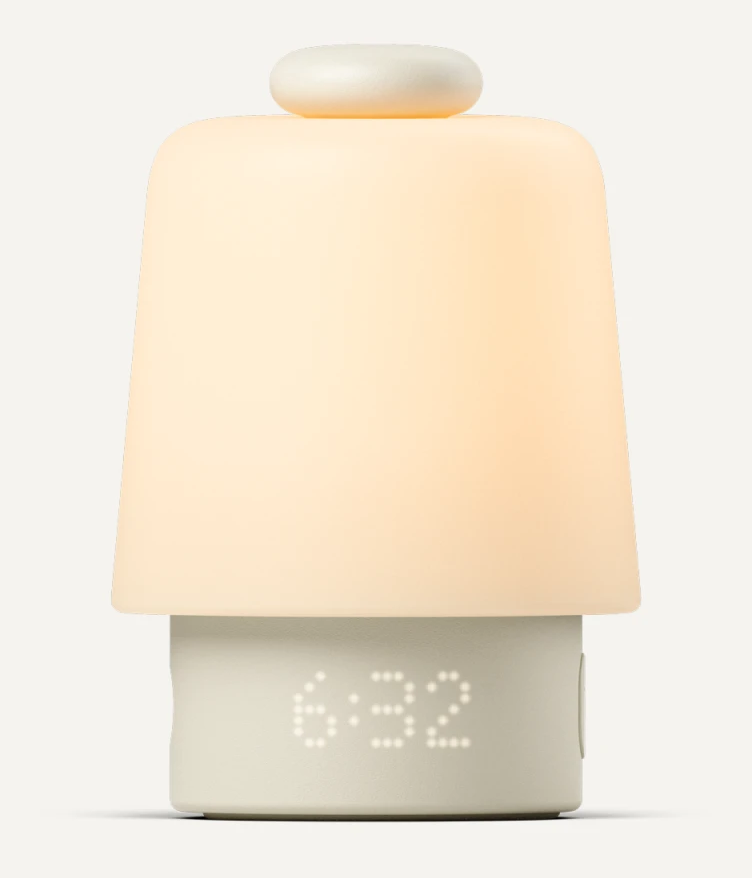
Hatch Baby is our top pick because it combines soothing sleep sounds, a soft nightlight, and nursery-friendly controls in one device.
It can be used for white noise, pink noise, bedtime wind-downs, night feeds, diaper changes, and early wakeups. The soft light helps parents check on their baby without switching on a bright lamp, while the sound options help mask household noise during naps and overnight sleep.
Unlike a basic white noise machine, Hatch Baby is designed specifically for baby sleep, so parents can have a premium baby sound machine with white noise, gentle lighting, and simple sleep support in one.
Best for: Parents who want the best overall baby white noise machine with a nightlight.
2. Yogasleep Hushh / Hushh2
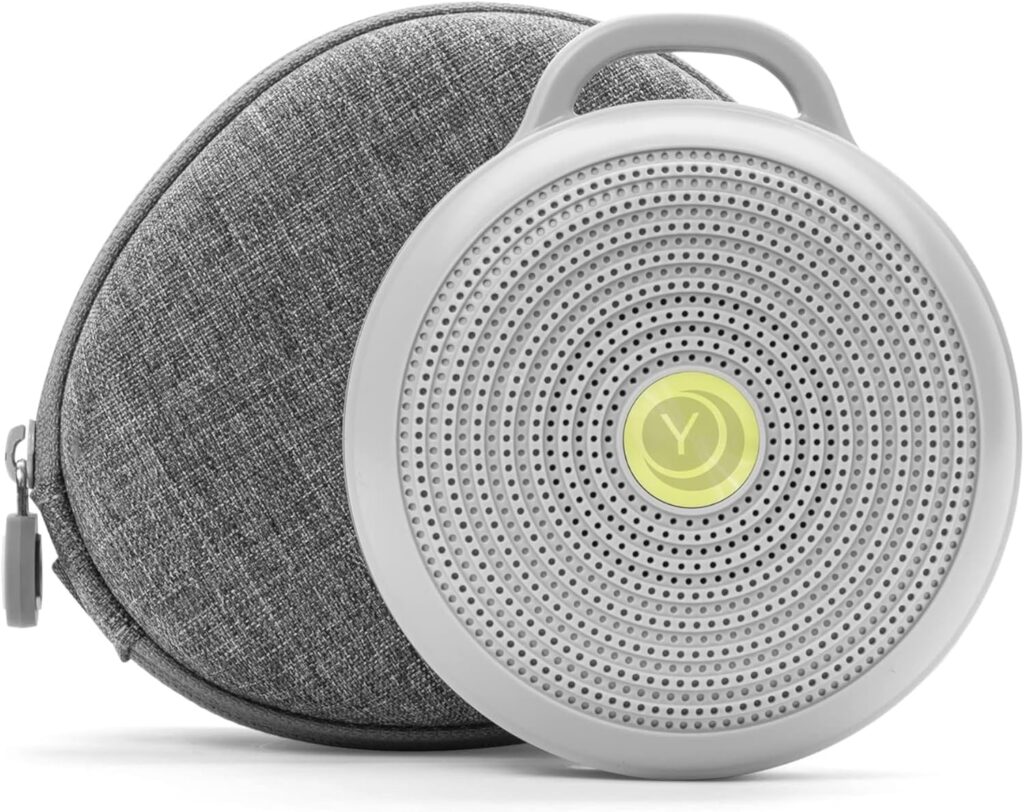
The Yogasleep Hushh line is one of the best portable white noise machines for babies because it’s small, rechargeable, and made for naps away from home.
It clips easily to a stroller, diaper bag, or travel bag, giving parents a familiar sleep sound without relying on a phone app. The original Hushh keeps things simple with white noise, ocean, and rain sounds, while newer versions add practical upgrades like longer battery life and easier clipping.
This is the better choice for car trips, daycare naps, pram naps, hotel rooms, and visiting family. Just keep it away from your baby’s ear and use the lowest volume that still helps soften background noise.
Best for: Travel, naps on the go, and parents who want a lightweight clip-on machine.
3. Hatch Go
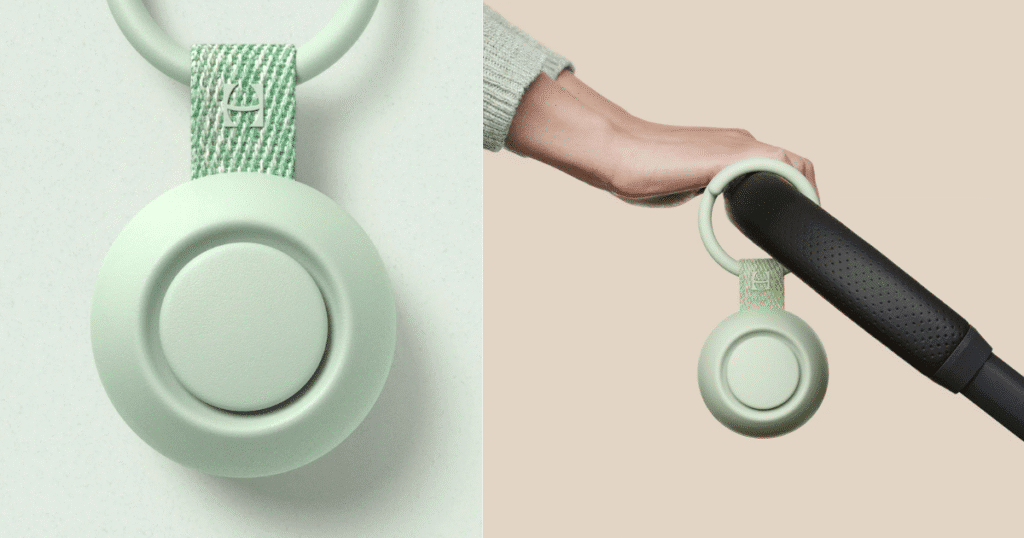
The Hatch Go is the travel-friendly version to include if you already know and like the Hatch brand. It skips the app, clock, and nightlight features and focuses on simple portable sound.
It comes with 10 preloaded sounds, including white noise, ocean, rain, dryer, fan, heartbeat, and Hatch’s “hush” sound. The clip-on design makes it easy to attach to a stroller, travel crib, or diaper bag, and the simple buttons are useful when you do not want to fiddle with an app in the middle of a nap.
It is not a full replacement for the Hatch Rest in a nursery, but it’s convenient as a second machine for travel.
Best for: Families who use Hatch at home and want the same kind of sleep cue on the go.
4. Yogasleep Nod
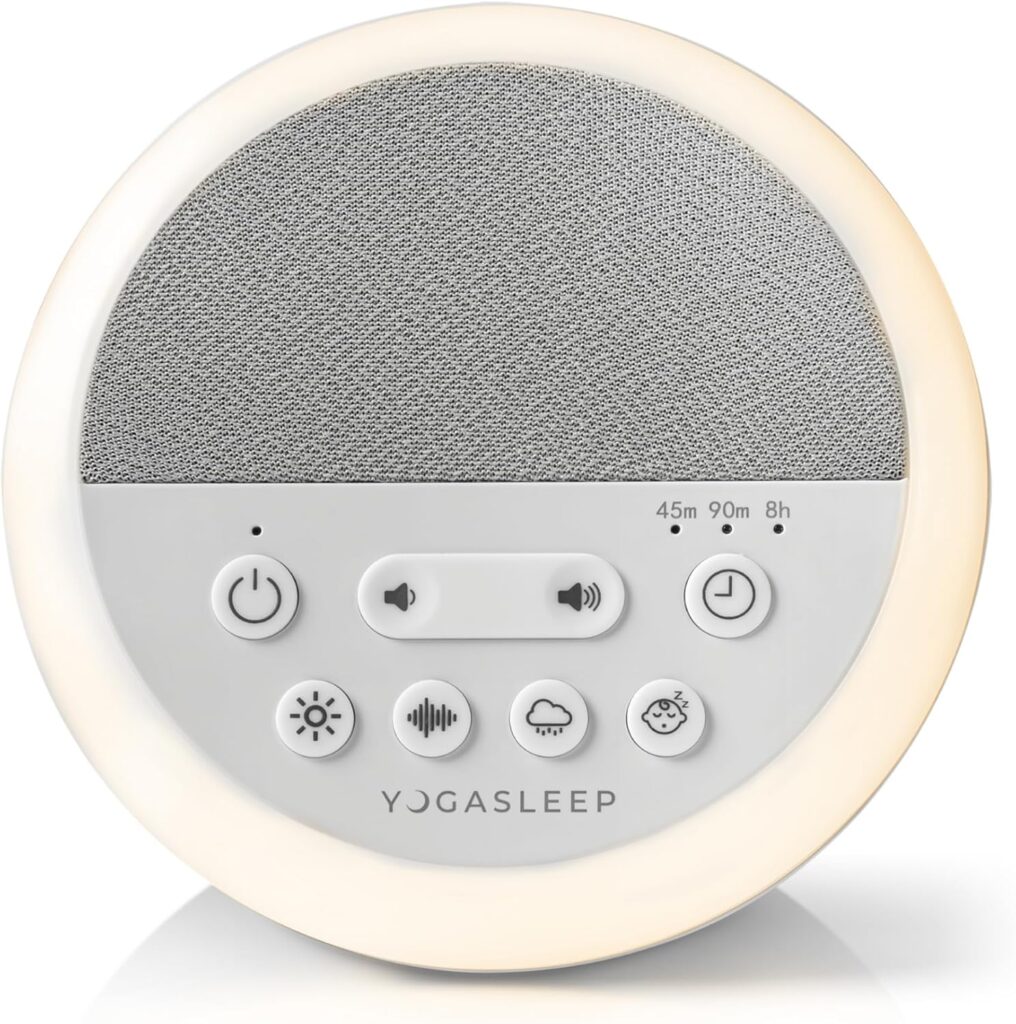
The Yogasleep Nod is the best lower-cost nursery pick because it gives parents the two features they usually want most: continuous sound and a gentle nightlight.
It has 20 sound options, including white noise, fan sounds, nature sounds, lullabies, shushing, and heartbeat-style sounds. The amber nightlight is dimmable, so it can help with night feeds or diaper changes without flooding the room with bright light.
Unlike the Hushh, this one is better suited to a nursery or bedroom because it needs USB power. That makes it a good fit for parents who want something simpler and cheaper than a smart nursery hub, but still geared towards babies rather than adults.
Best for: Parents who want a budget-friendly nursery sound machine with a nightlight.
4. Baby Shusher
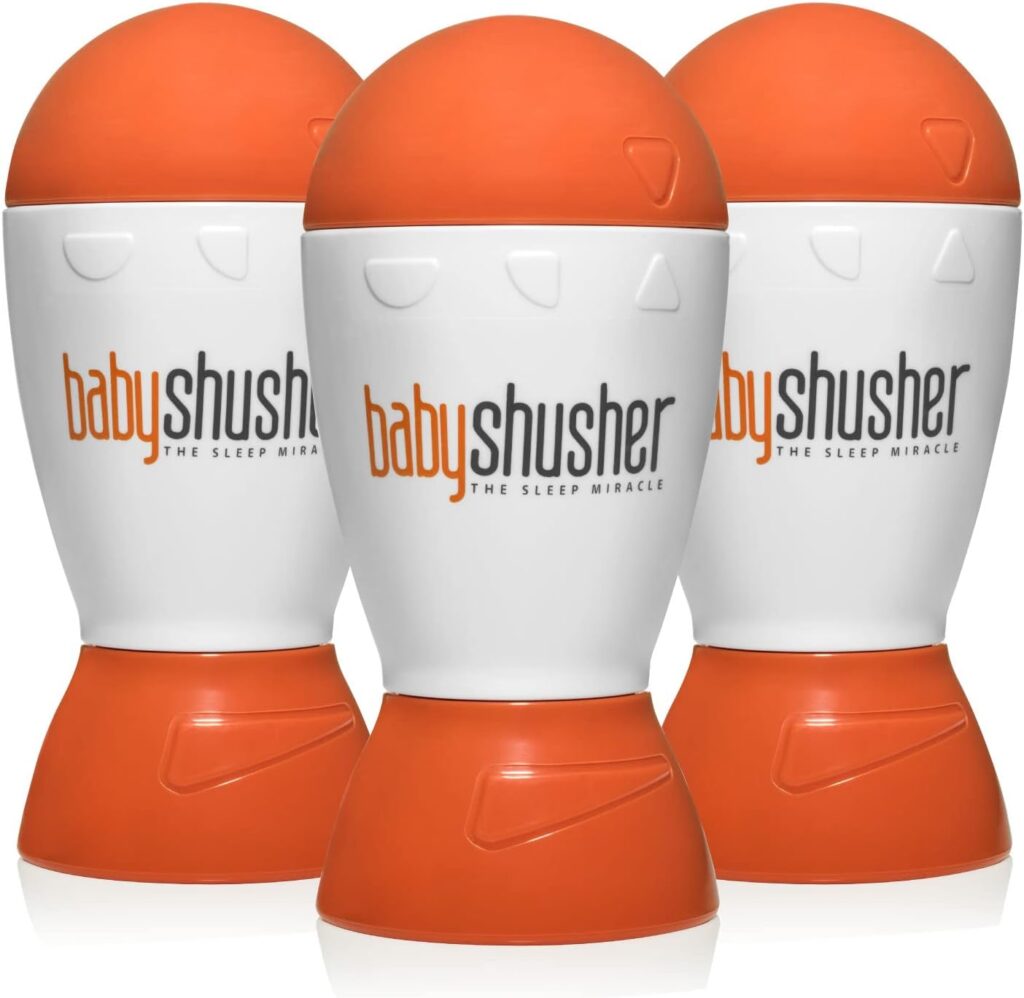
The Baby Shusher is not a traditional all-night white noise machine. It’s better understood as a newborn settling tool.
Instead of playing rain, fan, or static-style white noise, it plays a rhythmic shushing sound designed to mimic the “shhh” many parents naturally make when calming a baby. It has 15- and 30-minute timer options, adjustable volume, and a small portable design.
That makes it useful for the early weeks when constant shushing gets exhausting. It can help during rocking, settling, contact naps, and transfers, but it is not the right choice if you want continuous overnight sound.
Best for: Newborn calming, short settling sessions, and parents who are tired of shushing manually.
Choosing the Best White Noise Machine for Your Baby
Finding the right white noise machine for your baby can make naps, bedtime, and overnight sleep feel more settled for the whole family. The best choice depends on how you plan to use it, whether that is in the nursery, during travel, or as part of a simple bedtime routine.
Focus on safe volume, easy controls, reliable sound, and features you will actually use every day. A regular sleep cue can help mask household noise and create a calmer sleep environment, especially when used consistently.
For more options beyond baby sleep, see our guide to the best white noise machines for sleeping.
Better baby sleep does not need to be complicated. Choose a machine that fits your space, keep the sound gentle, and give your baby time to adjust.
Frequently Asked Questions
What is white noise and how does it help babies sleep?
White noise is a consistent sound that contains all frequencies at equal intensity. White noise helps babies sleep by masking sudden noises that might startle them awake and by creating a soothing, womb-like environment.
The steady sound can be calming and help signal to babies that it’s time to sleep.
Are white noise machines safe for babies?
When used correctly, white noise machines are generally safe for babies. It’s important to keep the volume at a safe level (around 50 decibels or lower) and place the machine at least 7 feet away from the baby’s sleeping area.
Always follow the manufacturer’s safety guidelines.
How long should I use a white noise machine for my baby?
You can use a white noise machine for as long as it helps your baby sleep. Some parents use them through infancy and toddlerhood, while others gradually phase them out as the child gets older.
There’s no set rule, it depends on your baby’s needs and your family’s preferences.
Can white noise machines cause hearing problems?
If used at very high volumes, white noise machines could potentially cause hearing problems. However, when used at a moderate volume (50 decibels or lower), they are safe for babies’ hearing.
Always err on the side of caution and keep the volume low.
What type of noise is best: white, pink, brown, or nature sounds?
Sleep experts generally recommend steady white, pink, or brown noise for babies. These sounds have a consistent texture and do not spike loudly, so they are less likely to disturb sleep.
Nature sounds like ocean waves or storms can work for some children, but because they rise and fall, they may wake more sensitive sleepers.
If you notice your baby startling when a wave peaks or thunder effect rolls through, switch back to simple continuous noise.
Should I use a white noise app on my phone instead of a machine?
Phone apps can be useful for occasional or travel use, especially if you place the phone far from the crib and use a low volume. However, phones are not designed as dedicated sound devices, so their speaker quality and volume control are less predictable.
Standalone machines like Hatch Rest, LectroFan, Hushh, Rohm, or Love to Dream are built to provide continuous, stable sound, often with better control over volume and sound type.
If you rely on white noise nightly, a dedicated machine is generally the safer and more reliable choice.
Should the white noise play all night long?
It’s generally fine to play white noise all night long, especially for younger babies. As your child gets older, you might consider using a timer to gradually reduce the duration, helping them transition to sleeping without constant background noise.
Can white noise become addictive for babies?
While babies can become accustomed to white noise, it’s not considered addictive in the clinical sense. However, some children may have difficulty sleeping without it if they’re used to it.
Gradually reducing reliance on white noise as the child grows can help prevent this.
How loud should the white noise machine be?
The white noise should be loud enough to be heard over other ambient noises but not so loud that it’s uncomfortable. A good rule of thumb is to keep it around 50 decibels or lower, which is about the volume of a quiet conversation.

Sleep Essentials Hub is a sleep blog for readers who want helpful sleep guides and honest product recommendations. We’re passionate about better rest, with a focus on pillows and bedding, sleep aids, sleep apnea and CPAP gear, natural sleep supplements, sleep tech, and simple ways to improve your sleep environment. We’re here to help you choose products that support deeper sleep, greater comfort, and a better night’s rest without overspending.