
SleepZee vs ZQuiet Comparison: Comfort, Fit, and Adjustability
Chronic snoring can strain relationships and leave you exhausted during the day, especially when it keeps happening night after night.
If nasal strips haven’t helped, or you want something simpler and more travel-friendly than CPAP, SleepZee and ZQuiet are two popular anti-snoring mouthpieces designed to gently move the lower jaw forward, which can help keep the airway more open and reduce snoring.
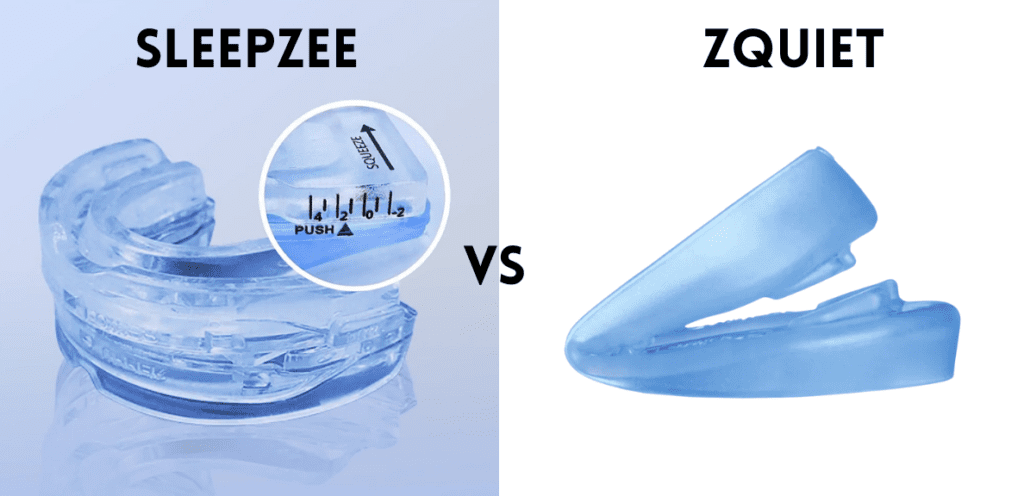
The biggest difference is the fit. ZQuiet is ready to wear straight away, while SleepZee is molded to your teeth for a more custom feel.
In this SleepZee vs ZQuiet comparison, we break down comfort, fit, ease of use, and who each one suits best, so you can choose the right option for quieter nights.
As an Amazon Associate & affiliate partner I earn on qualifying purchases at no extra cost to you.
SleepZee vs ZQuiet Comparison Chart
| Feature | SleepZee | ZQuiet | Winner |
|---|---|---|---|
| Price | Check Price | Check Price | — |
| Material Type | BPA-Free Medical-Grade Silicone | BPA-Free Medical-Grade Thermoplastic | SleepZee |
| Adjustability & Fit | Boil-and-bite + fine-tuning mechanism | Two-size starter pack (2mm & 6mm advancement) | SleepZee |
| Jaw Flexibility | Can talk while wearing; secure anti-slip fit | Living Hinge allows natural jaw movement | ZQuiet |
| Average Lifespan | Months to years | 6-12 months | SleepZee |
| Small Mouth Suitability | High (custom-molded fit) | Mixed (pre-set frame) | SleepZee |
| Bulkiness | Non-bulky/Compact | Lightweight (may feel large for some) | SleepZee |
| Airflow Design | Integrated airflow vents & air-hole design | Open Front Design | ZQuiet |
| Money-Back Guarantee | Yes | Yes | Tie |
How Jaw Position Affects Snoring
When you fall asleep, the muscles in your throat relax. In some people, the tongue and soft tissue drop back and narrow the airway. As air squeezes through, the tissue vibrates, which is what causes snoring.
An anti snoring mouthpiece works by gently holding the lower jaw forward. That small forward movement can also bring the tongue forward, leaving more space for airflow and helping reduce snoring. This is how mandibular advancement devices like SleepZee and ZQuiet are designed to work.
The right jaw position varies from person to person. Too little advancement may not reduce snoring, and too much can lead to jaw soreness. SleepZee allows fine tuning after molding, while ZQuiet offers two preset advancement levels to test.
SleepZee vs ZQuiet: Design (Boil-and-Bite vs The Living Hinge)
SleepZee: Custom-Molded Fit
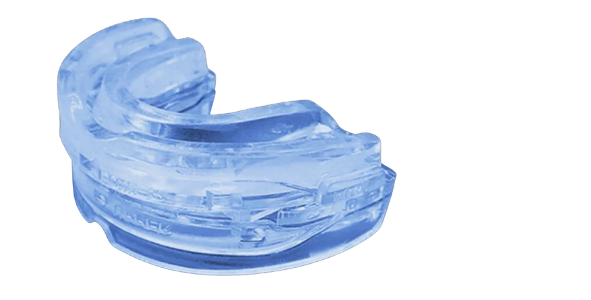
SleepZee is a boil and bite anti snoring mouthpiece made from medical grade silicone. You soften it in hot water and mold it to your teeth, which usually takes about 3 to 5 minutes and works best when you follow the fitting steps carefully.
Once it is molded, the fit is snug and secure, so it is less likely to move during the night, even if you sleep on your side or change positions. The silicone also tends to feel softer against teeth and gums than many thermoplastic mouthpieces.
After fitting, SleepZee includes an adjustment mechanism so you can fine tune how far the lower jaw sits forward. This lets you start with minimal advancement and increase gradually until you find a comfortable setting that helps reduce snoring.
The tradeoff is the upfront effort. If the first mold is not right, you will need to remold it.
Get SleepZee’s Anti Snoring Mouthpiece (See today’s price and any current discount)
ZQuiet: Flexible Ready-to-Use Design
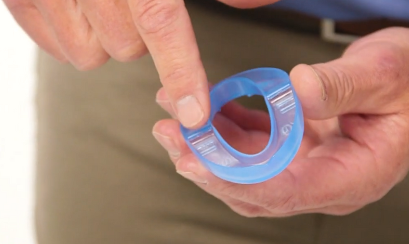
ZQuiet is a ready to use anti snoring mouthpiece, so there is no molding. You insert it folded before bed on the first night.
It’s made from flexible thermoplastic that fits a range of mouth shapes, while still holding the lower jaw forward to help reduce snoring. The Living Hinge design lets your jaw move side to side and open slightly, so you can talk, take a sip of water, and adjust your position without feeling locked in.
ZQuiet also has an open front, which many mouth breathers prefer because it feels less bulky than fully enclosed anti snore mouthpieces.
The starter pack includes two sizes:
- Size 1 advances the jaw about 2 mm
- Size 2 advances it about 6 mm
You pick the one that feels comfortable and gives you the best snoring reduction, but there is no fine tuning beyond those two settings. The upside is simplicity, with less customization than a boil and bite mouthpiece.
Check Price & Availability of ZQuiet
SleepZee vs ZQuiet for Small Mouths: Fit, Comfort, and Bulkiness
Fit is a big deal with any anti-snoring mouthpiece, and your mouth and jaw size can make or break comfort.
SleepZee
Since SleepZee is molded to your teeth, it can feel more natural for people with smaller mouths or a bite that doesn’t match a specific anatomy. That custom fit also helps it stay put once it’s set, since it’s built around your own dental impressions.
ZQuiet
ZQuiet is more of a one-size-fits-most design. The flexible thermoplastic does adapt to a range of mouth shapes, but if you have a very small mouth or a petite jaw, the frame can feel a little bulky.
Most people fall within the typical fit range, but compared to custom-molded options, ZQuiet falls short compared to custom-molded alternatives like SleepZee or SnoreRx.
How to Use SleepZee: 3 Steps to a Custom Fit
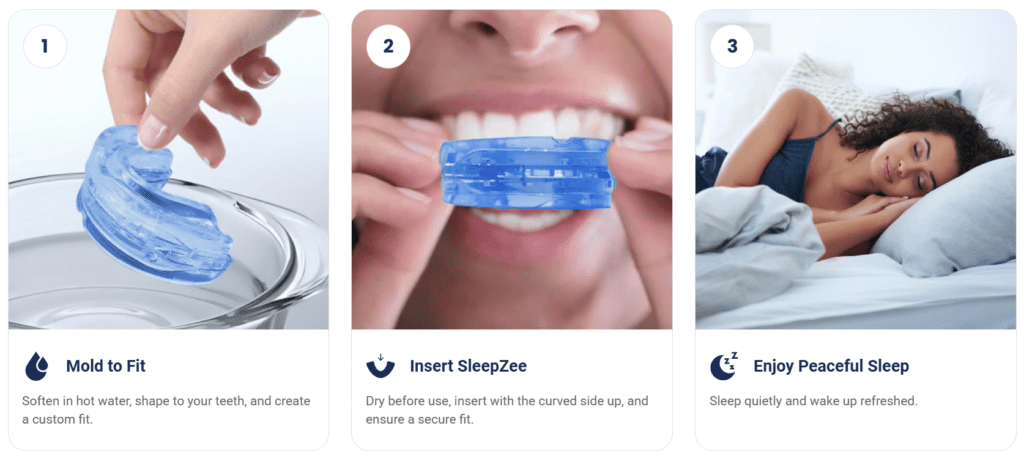
SleepZee is a boil-and-bite mouthpiece, so the fit depends on a quick molding process.
- Soften: Submerge it in hot water (follow SleepZee instructions) until the material becomes pliable.
- Mold: Bite down and press it into place so it forms to your teeth, then hold until it starts to set.
- Set and test: Cool it in cold water, dry it, and check the fit. If it feels off, you can remold it.
Once it fits well, start with minimal jaw advancement and increase gradually over a few nights for customized comfort.
How to Use ZQuiet: Finding Your Perfect Size
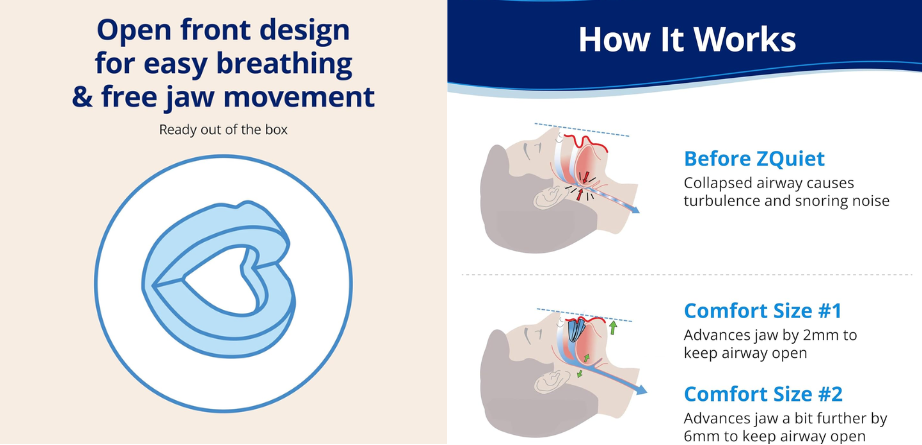
ZQuiet is ready to use, but getting the sizing right makes a big difference.
- Start with Size 1: Try the gentler option first (about 2 mm advancement) before moving to Size 2 (about 6 mm).
- Insert it folded: Slide it into the mouth so it sits comfortably and the hinge can flex. The open front should still let you breathe through your mouth.
- Test for a few nights: Use Size 1 for at least three nights to judge comfort and snoring reduction. If snoring is still an issue, move to Size 2 for a more pronounced jaw advancement
If you want to track results, your partner can help monitor snoring levels, or you can use a sleep tracking app to get objective measurements.
SleepZee vs ZQuiet: Breathability for Mouth Breathers
Airflow design becomes critically important if you naturally breathe through your mouth during sleep or frequently deal with nasal congestion.
SleepZee Airflow Vents
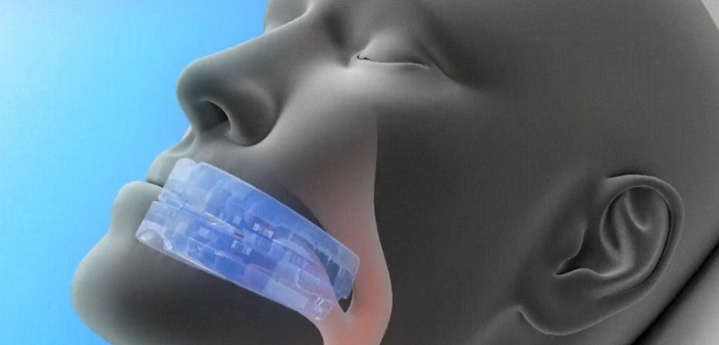
SleepZee uses integrated airflow vents rather than an open front. The vents create breathing space while the custom molded fit keeps the lower jaw in a consistent forward position to help reduce snoring.
Because SleepZee is molded to your teeth, it’s easier to stay firmly in place and is less likely to move during the night, which can help if you are a restless sleeper. You can talk with it in, but the more secure fit usually makes speaking harder than with ZQuiet.
ZQuiet’s Open Front Design
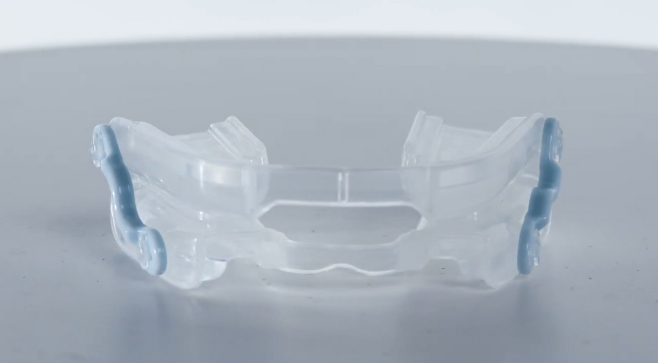
ZQuiet has an open front design. Instead of covering the front of your bite, it leaves an opening that can make mouth breathing feel easier than many fully enclosed anti snoring mouthpieces. You can usually speak briefly and take a sip of water without removing it, although speech will sound muffled.
For mouth breathers, this open front anti snoring mouthpiece can feel less restrictive. The downside is that it may encourage continued mouth breathing, which can lead to dry mouth for some people.
Note: If nasal congestion is a frequent issue for you, consider using a nasal dilator or strip alongside whichever mouthpiece you choose. This combination helps ensure you can breathe comfortably through your nose, reducing reliance on mouth breathing and improving overall effectiveness.
SleepZee vs ZQuiet: Adjustment Phase
Most anti snoring mouthpieces take time to get used to. In the first week, some people report initial jaw soreness, extra drooling, and some tooth or gum tenderness because the device holds the lower jaw forward. Sleep can also be disrupted at first because the mouthpiece feels unfamiliar.
Over the next couple of weeks, the soreness and drooling usually settles down and wearing the anti-snoring mouthpiece may start to feel more normal and less distracting.
This is also when results are easier to judge, because your mouth has had time to adjust. Use a snoring app (like SnoreLab) or ask your partner so you can tell what’s changing, instead of guessing.
To make the adjustment easier, some people wear the device for short periods while awake before sleeping with it, and use gentle morning jaw movement to ease stiffness.
If you have severe or worsening jaw pain, persistent headaches, difficulty chewing, or any feeling that teeth are moving or becoming loose then discontinue use and speak with a dentist.
Safety and Compatibility: Dentures, Dental Work, and TMJ
If you have dental work, fit and jaw pressure are the two big concerns with any anti snoring mouthpiece.
Dentures
- SleepZee is often reported as more denture friendly because the boil and bite mold can form to denture surfaces and create a snug fit.
- ZQuiet’s own warnings say it should not be used with full dentures, since its ready to wear design may not stay stable without natural teeth.
Crowns, Bridges, and Implants
Many people use mandibular advancement devices with crowns, bridges, and implants, but you should be cautious if anything is new, loose, or still settling.
If you have recent dental work or a loose crown or bridge, check with your dentist first.
TMJ and Jaw Problems
These devices are not a good idea for severe TMJ disorder or significant jaw issues, because holding the lower jaw forward can aggravate the joint.
With mild jaw discomfort, some people try minimal advancement and increase slowly, but dentist guidance is the safest route.
Customer Results: What Real Users Are Saying
Both devices receive mixed reviews, with success depending heavily on individual jaw structure, sleep position, and snoring severity. Users with mild to moderate snoring tend to see the best results, while those with severe sleep apnea often need more intensive treatment.
What Users Love Most:
SleepZee:
- Custom-molded fit stays securely in place all night
- Fine-tuning adjustments without remolding
- Longer lifespan compared to thermoplastic alternatives
- Comfortable silicone material for extended wear
ZQuiet:
- Zero setup required, ready to use immediately
- Natural jaw movement with Living Hinge design
- Can talk and drink water without removal
- Two sizes included to find optimal advancement
Most Common Complaints:
SleepZee:
- Molding process can be tricky to get right initially
- Less jaw flexibility than hinged alternatives
- Shipping delays can happen depending on demand
- Teeth grinding (bruxism) can wear down the material faster
ZQuiet:
- Durability concerns after 4-6 months of use
- One-size-fits-most approach not best suited for smaller mouths
- Initial jaw soreness during first week
- Drooling and dry mouth issues
Important Note: Neither device is designed to treat sleep apnea. If you experience daytime sleepiness, morning headaches, gasping during sleep, or witnessed breathing pauses, get evaluated by a sleep medicine professional rather than self-treating with an anti-snoring device.
👉 Want to see current pricing? Check SleepZee here or ZQuiet here.
SleepZee vs ZQuiet: Materials, Cleaning, and Maintenance
SleepZee features BPA-free medical-grade silicone that’s softer and more comfortable for extended wear, while ZQuiet uses BPA-free medical-grade thermoplastic designed for flexibility and durability.
Proper cleaning extends device lifespan and prevents bacterial buildup.
Daily Cleaning Routine (for both devices):
- Rinse with cool water immediately after removal each morning
- Gently brush with a soft toothbrush and mild soap or toothpaste
- Let the device air dry completely before storing in its case
Important Care Tips:
- Always store your device in the provided case when not in use
- Avoid harsh cleaners like bleach, ammonia, alcohol-based mouthwash, or abrasive substances since these break down the material and shorten device life
- Never use hot water, as heat warps the material and affects fit
With proper care, SleepZee can last months to years depending on usage patterns and teeth grinding intensity, while ZQuiet typically lasts 6-12 months before the material may begin to stretch and lose effectiveness.
Compatibility with Other Sleep Aids
If you use multiple sleep solutions, compatibility becomes important. Both SleepZee and ZQuiet work with most sleep aids, but with some limitations.
- CPAP Machines: Neither device should be used at the same time as CPAP therapy. The mouthpiece can interfere with the proper seal of your CPAP mask and reduce treatment effectiveness. That said, many people use anti-snoring mouthpieces when traveling, camping, or on nights when CPAP is not practical. If you want a more travel friendly setup, see our guide to the smallest CPAP machines for travel.
- Nasal Strips and Dilators: Both devices can be used alongside nasal solutions for maximum effectiveness. This combination works especially well for users with combined nasal and throat-based snoring. The nasal aid opens your nasal passages while the mouthpiece addresses throat tissue collapse.
- Sleep Positioning Aids: Wedge pillows and side-sleeping sleep aids complement both SleepZee and ZQuiet. Many users find that combining proper sleep positioning with a mouthpiece delivers better results than either solution alone.
Always discuss combination therapy with your healthcare provider, especially if you have diagnosed sleep apnea rather than simple snoring. Some combinations may interfere with treatment effectiveness or create additional side effects.
SleepZee vs ZQuiet: Which Anti-Snoring Mouthpiece Should You Choose?
Choosing between SleepZee and ZQuiet comes down to fit and ease of use.
SleepZee is a boil and bite anti snoring mouthpiece with adjustable jaw advancement, so it suits people who want a more personalized fit. ZQuiet is ready to use with a flexible hinge, so it suits people who want something simple to use from the first night.
Both aim to reduce snoring by holding the lower jaw forward. The best option is the one you can wear consistently, since comfort usually drives results.
Option 1: SleepZee Anti-Snoring Mouthpiece
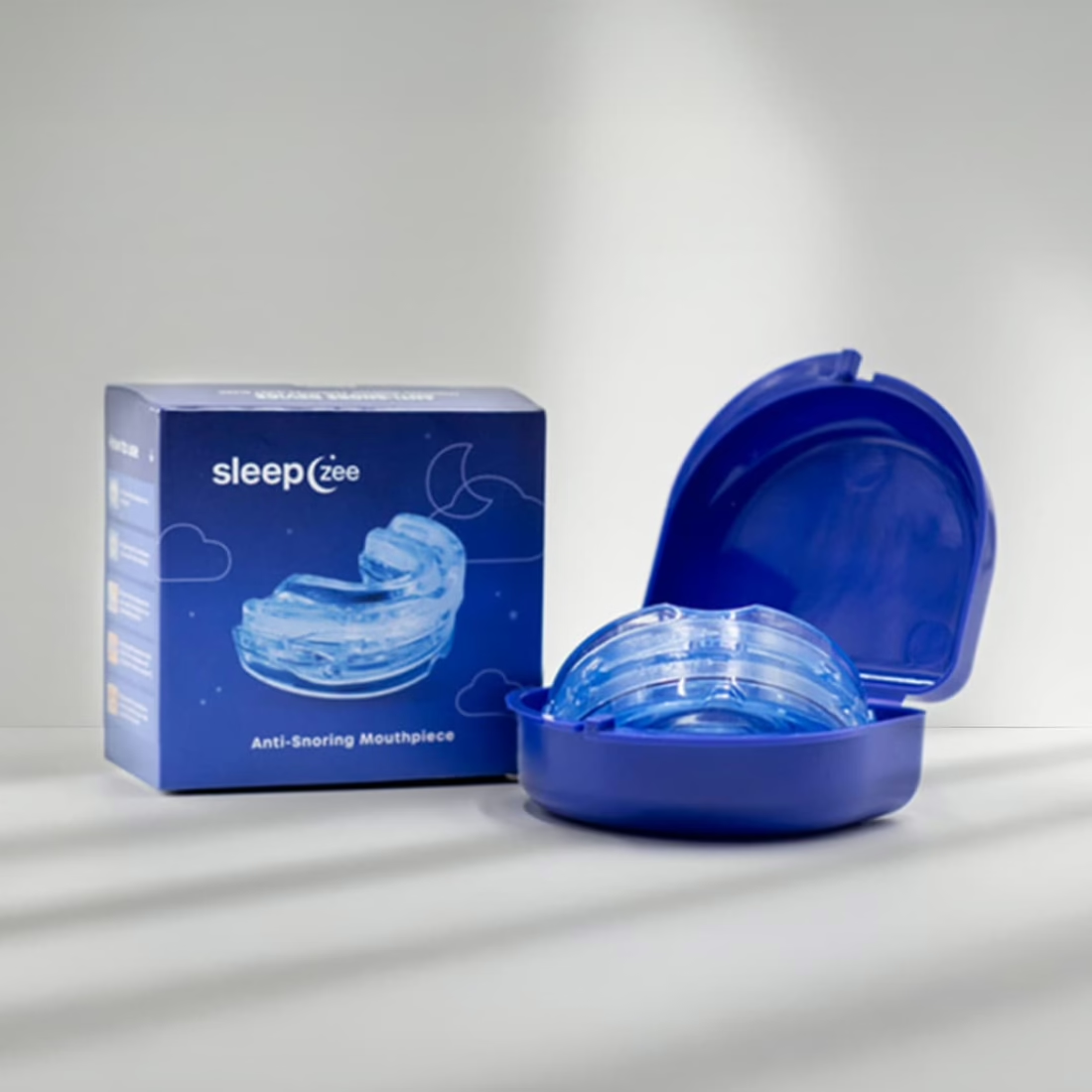
SleepZee delivers a custom-molded fit with fine-tuning capabilities for precise jaw positioning.
- Best for those who want maximum customization and a secure, anti-slip fit that molds exactly to their teeth
- Better suited for a smaller mouth or unusual bite pattern that makes one-size-fits-most devices uncomfortable
- Ideal if you prefer longer potential lifespan and softer silicone material against your teeth and gums
Option 2: ZQuiet Anti-Snoring Mouthpiece
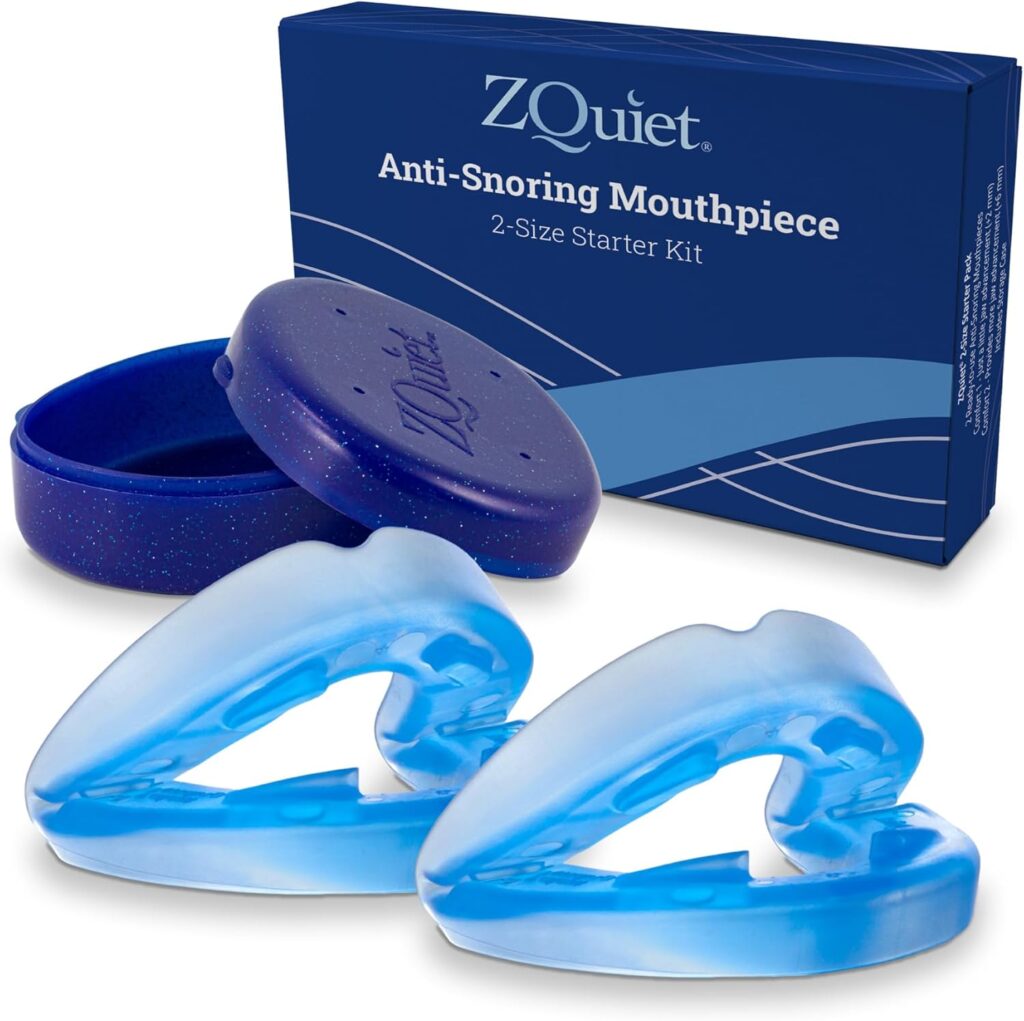
ZQuiet offers instant usability with a patented Living Hinge design that allows natural jaw movement.
- Recommended if you want zero setup requirements and the ability to use the device immediately without molding
- A better fit for those who like jaw flexibility, the ability to talk or drink water without removal, and an open-front breathing design
- Widespread availability and includes two advancement sizes to test
Final Verdict
If you want the option that tends to fit better and feel comfortable long term, SleepZee is the stronger choice.
The boil and bite mold gives you a more secure fit, and the built-in adjustment lets you dial in jaw advancement instead of being stuck with preset positions. That combination usually makes it easier to find a setting that reduces snoring without feeling too aggressive.
ZQuiet is still a good option if you want something ready to wear with more jaw flexibility, but the one size design can feel bulky for smaller mouths and it offers less control once you have picked a size.
Snoring can put real pressure on a relationship, especially when one partner is losing sleep night after night. When an anti-snoring mouthpiece helps, the biggest change is fewer wake ups and less disruption, which can make it possible to share a bed again instead of sleeping in separate rooms.
More sleep usually means less irritability and more patience during the day. When both people wake up rested, it is easier to feel connected again.
Check Price of ZQuiet on Amazon
Frequently Asked Questions: SleepZee Vs ZQuiet
How do I adjust SleepZee’s boil-and-bite fit if it’s uncomfortable?
To improve the comfort of your SleepZee mouthpiece, you can repeat the “boil-and-bite” process by placing the tool in warm or hot water to soften the material.
Once the medical-grade silicone is pliable, re-mold it to your teeth and unique mouth shape to achieve a more precise, personalized fit.
This custom adjustment ensures the device remains secure and comfortable throughout the night, even for side sleepers
Is ZQuiet or SleepZee better for people with dental work like dentures?
SleepZee is generally the better option for those with dentures, as users report that it can provide a snug, comfortable fit without moving around during the night.
Conversely, ZQuiet’s safety instructions explicitly state that the device should not be used by individuals who wear full dentures. Regardless of the device chosen, you should consult with your dentist to ensure it is compatible with your specific dental work, such as crowns or implants
How long does it typically take for jaw soreness to disappear?
Mild jaw soreness is common when you first start using a snoring mouth guard. For many people, any morning tightness eases within an hour or so after removing it, but it often takes a few nights to a few weeks for your jaw and bite to feel fully normal again.
If discomfort, tenderness, or drooling is not improving after one to two weeks of consistent wear, or if you have lingering soreness that lasts well into the day, that can be a sign the fit or jaw position needs adjusting. If pain is sharp, worsening, or continues beyond a few weeks, it is worth checking the instructions or speaking with a dentist, especially if you have TMJ issues.
Do any anti-snoring devices actually work?
Anti-snoring devices can work but it depends on what is causing the snoring and how well the device fits. Mouthpieces like SleepZee, SnoreRx and ZQuiet are designed to gently bring the lower jaw forward, which may help keep the airway more open during sleep.
Some people notice less snoring quickly, while others need an adjustment period, and some will not respond at all. Sleep tracking apps can be useful for spotting trends over time, but they are not medical advice and results vary.
Related Reading
- SnoreRx vs SnoreRx Plus
- SnoreRx vs PureSleep
- SnoreRx vs ZQuiet
- Best White Noise Machines for Snoring
Disclaimer: This content is for information only, not medical advice. If you suspect sleep apnea or have jaw or dental issues such as TMJ, loose teeth, gum disease, dentures, or recent dental work, speak with a dentist or healthcare professional before using an anti-snoring mouthpiece.