
Best Wedge Pillows for Elevated Sleeping
If you have sleep apnea, you already know the drill: even a full night in bed can leave you exhausted. Treatment belongs with your doctor, but one thing sleep specialists frequently discuss alongside it is sleep position, because lying flat lets gravity work against your airway all night.
That’s where wedge pillows come in. Head-of-bed elevation has been studied as a positional strategy, and many people with sleep apnea use a wedge alongside their prescribed treatment, or ask their doctor about one. We’ve compared five of the best wedge pillows for elevated sleeping, looking at incline options, foam quality, stability, and CPAP-friendliness.
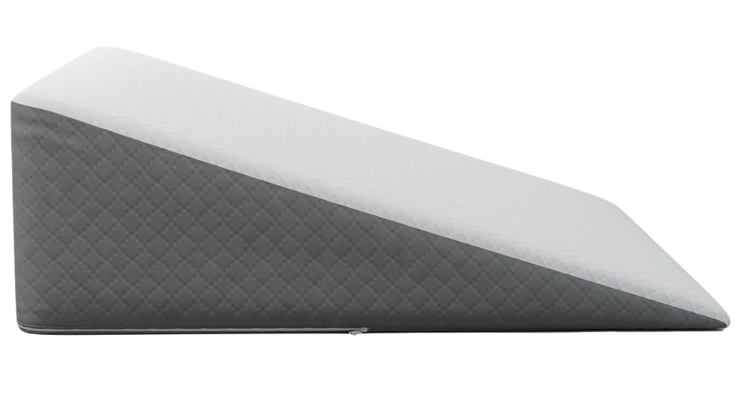
This article is for informational purposes only and not a substitute for medical advice. Sleep apnea is a medical condition; talk to a healthcare professional before changing how you manage it. This post contains affiliate links. I may earn a small commission on qualifying purchases at no extra cost to you.
Why Sleep Specialists Talk About Elevation
Elevation puts gravity on your side. Sleeping with your upper body raised changes the position of your head, neck, and chest relative to flat sleeping, which is why inclined positions come up so often in conversations about snoring and nighttime breathing. A 30-45 degree incline is often cited as the balance point between elevation and comfort, though the right angle varies by person.
Elevated sleeping is also commonly discussed for nighttime acid reflux, which frequently overlaps with sleep apnea. If either applies to you, your doctor can help you decide whether an incline belongs in your setup. Here are our top five picks.
Top 5 Wedge Pillows for Elevated Sleeping
1. RELAX SUPPORT RS6 Memory Foam Wedge Pillow
Fill: 100% Memory Foam | Incline: 3 options (9°, 16.5°, or 25.5°) | Firmness: Medium-Firm
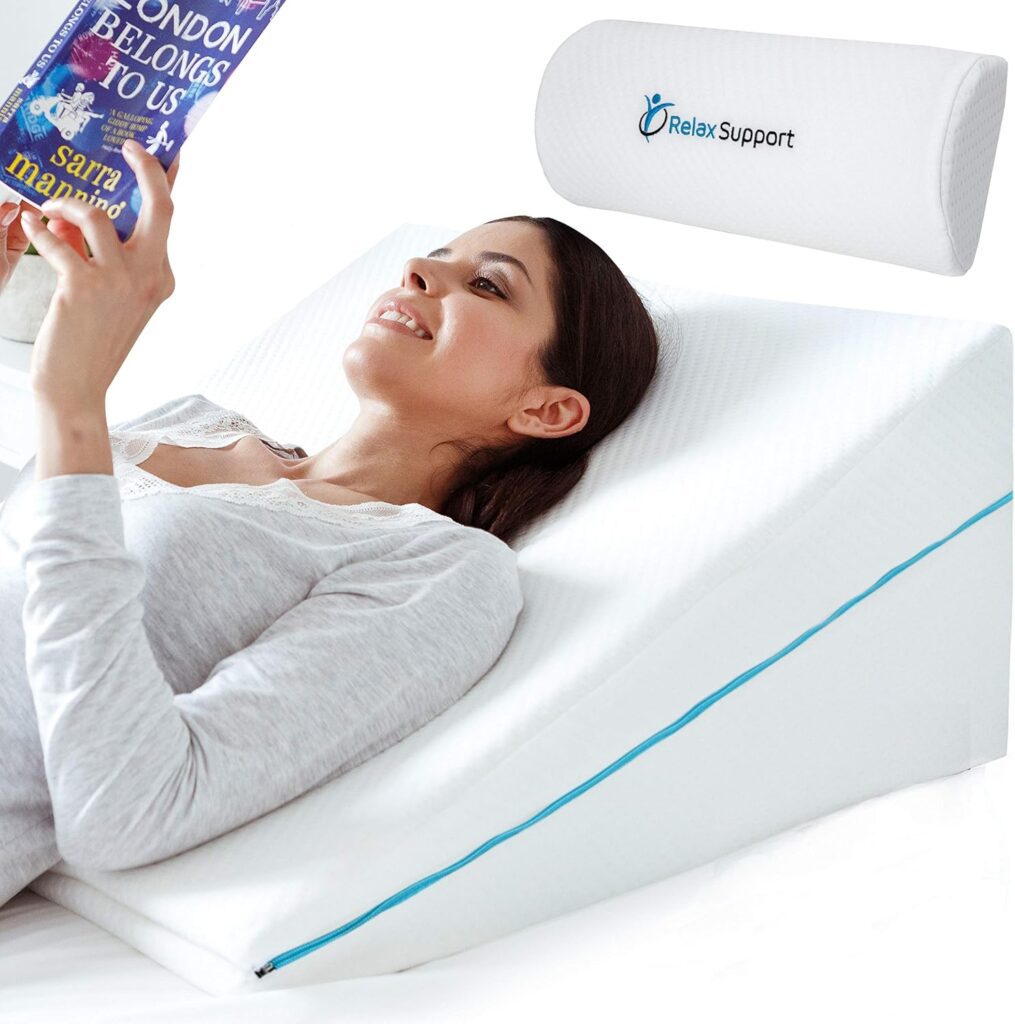
The RELAX SUPPORT RS6 offers flexible elevation for people with sleep apnea, snoring, or acid reflux who want a more upright sleep position.
Its 3-in-1 memory foam design provides three height options.
Use the 4.5-inch wedge for gentle elevation, the 7.5-inch wedge for a steeper angle, or combine both pieces for 12 inches of lift.
This flexibility lets you adjust the incline based on your comfort and preferred sleep position.
Reviewers often report less snoring, easier breathing, and better sleep after regular use, though results vary and a wedge pillow isn’t a substitute for prescribed sleep apnea treatment.
The included half-moon bolster can support the neck, lower back, or knees, making the RS6 a versatile choice for shoppers who want more than a basic bed wedge.
Why it Stands Out:
- Fully memory foam construction holds its shape and incline through the night
- Three separate elevation options
- Wide 25″ design provides stable support without rolling off during sleep
- Compatible with CPAP machines while still maintaining comfort
For high-quality construction and adjustable elevation to suit your nightly needs, the RELAX SUPPORT RS6 provides outstanding comfort. Shop RELAX SUPPORT RS6 on Amazon here.
2. Kolbs Bed Wedge Pillow
Fill: Memory Foam Top Layer with Foam Base | Incline: 7.5 inches (Approximately 15°) | Firmness: Medium
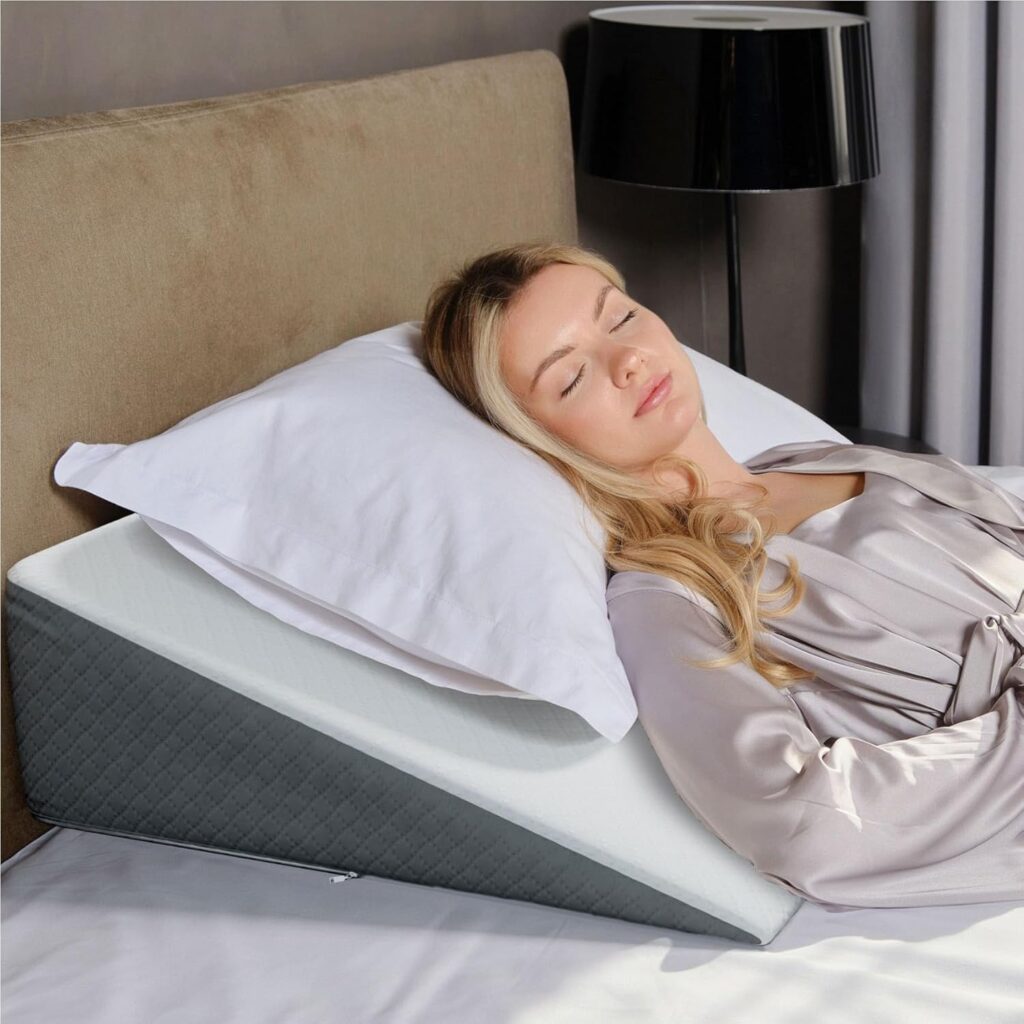
Finding a comfortable incline for sleep apnea can take some trial and error. A steep wedge may strain your neck or cause sliding, while a lower profile may not raise your upper body enough.
The Kolbs Bed Wedge Pillow uses a 7.5-inch rise for moderate upper-body elevation.
Reviewers frequently mention reduced snoring, including one who noticed a significant change after three nights (individual responses will vary). The textured jacquard cover may offer better grip than smoother fabrics, helping limit the sliding that can happen with wedge pillows.
This sleep apnea wedge pillow may suit anyone who wants noticeable elevation without sleeping in a sharply upright position. It should complement rather than replace CPAP or other treatment recommended by a healthcare professional.
Why it Stands Out:
- 7.5-inch incline: Raises the upper body without forcing you into a sharply upright position
- Layered foam construction: A memory foam surface cushions pressure points, while the firmer base holds its shape overnight
- Washable jacquard cover: Removes for machine washing and offers extra grip to help reduce sliding
- Versatile support: Designed for snoring, congestion, acid reflux, and sleepers who breathe more comfortably with upper-body elevation
The Kolbs is a strong pick for nightly use if you want moderate elevation without sacrificing comfort. It may help reduce positional snoring and support easier breathing, though it shouldn’t replace CPAP or medical treatment for sleep apnea. Shop Kolbs on Amazon here.
3. AllSett Adjustable Bed Wedge
Fill: Memory Foam with Cooling Gel Layer | Incline: Adjustable (30° or 60°) | Firmness: Firm
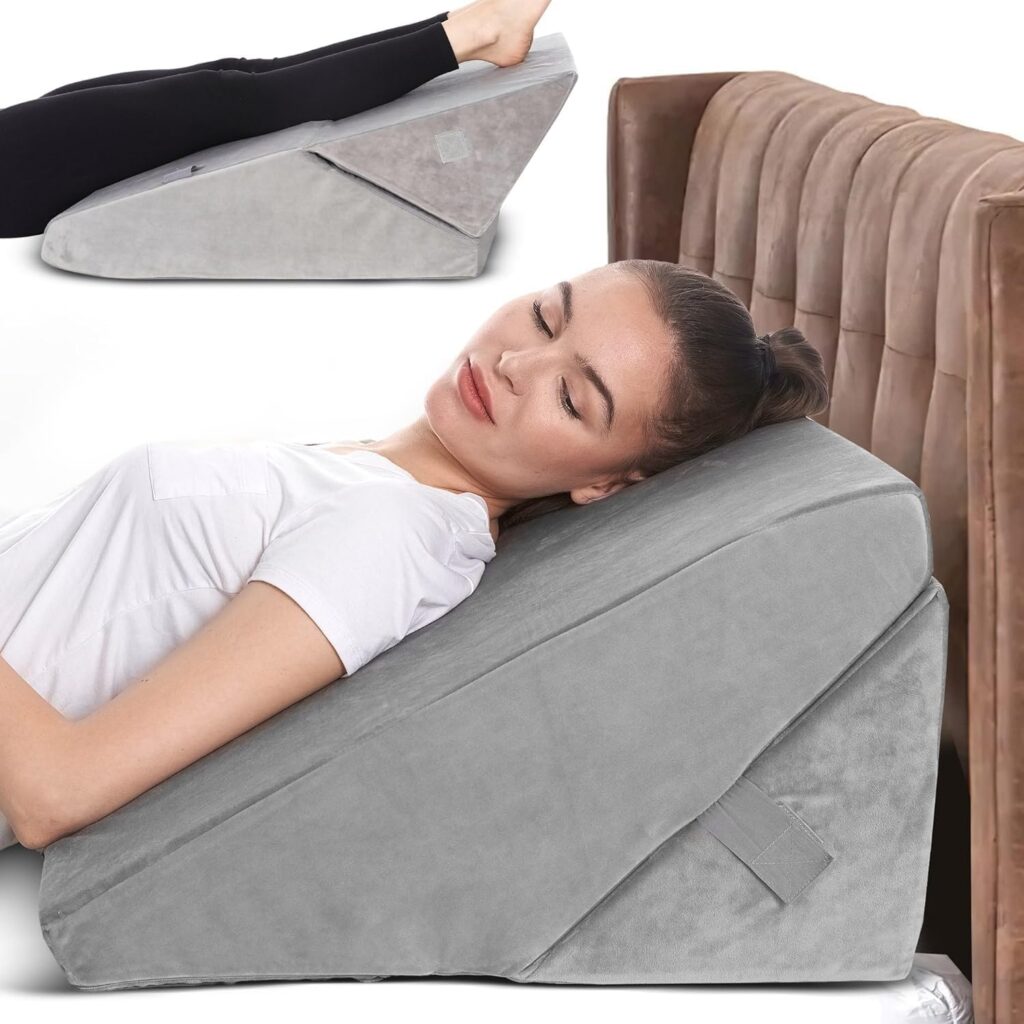
The AllSett 7-in-1 Adjustable Bed Wedge Pillow gives sleepers several ways to raise the upper body and find a more comfortable breathing position.
Its foldable memory foam construction supports 30- and 60-degree angles, which can also be useful for acid reflux, sinus congestion, back discomfort, or post-surgery recovery.
Some reviewers with sleep apnea report sleeping more comfortably within the first few nights, though results vary. The adjustable shape is the main advantage, especially for people who find fixed-height wedges too low or too steep.
Why it Stands Out:
- Adjustable elevation: Multiple positions help you test which angle feels most comfortable for breathing and sleep
- Cushioned support: Memory foam relieves pressure while the firmer base maintains elevation
- Cooling gel layer: Helps reduce heat buildup during the night
- Travel-friendly shape: A folding construction and carrying handle make it easier to move between rooms or take on trips
Reviewers often praise the AllSett for its supportive feel, durable foam, and flexibility during recovery or nightly use. It’s a good pick for anyone comparing adjustable wedge pillows for sleep apnea, snoring, reflux, or congestion. Shop AllSett on Amazon here.
4. Welzona Orthopedic Wedge Pillow
Fill: Gel-Infused Memory Foam Top with High-Density Foam Base | Incline: 30° (Approximately 12 inches) | Firmness: Medium-Firm
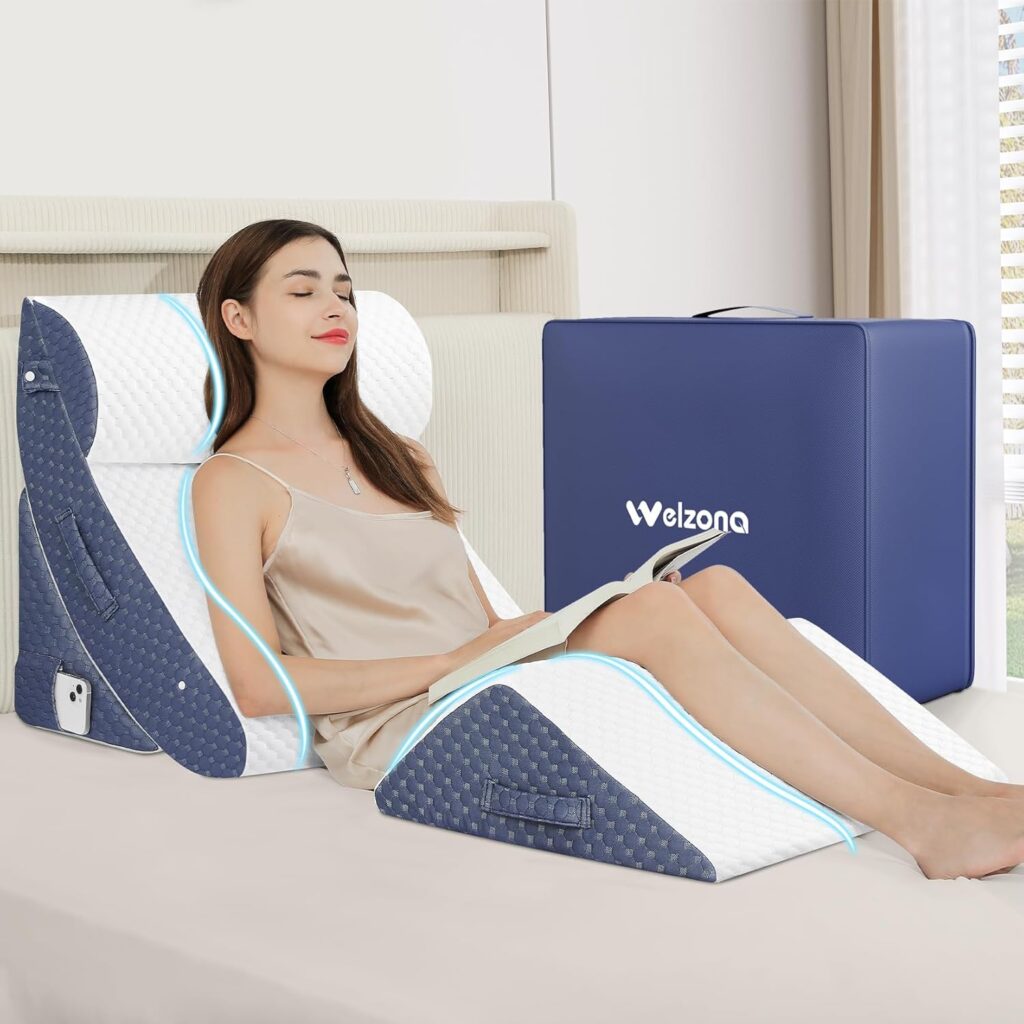
The Welzona Orthopedic Wedge Pillow is a strong choice for back sleepers and CPAP users who need substantial upper-body elevation. Its 12-inch height raises the torso without relying on a stack of pillows that can shift or flatten overnight.
A cooling gel-infused memory foam layer cushions the shoulders and back, while the dense foam base prevents excessive sinking. The wider surface also leaves more room for CPAP tubing, although mask comfort will depend on your sleeping position and equipment.
Reviewers often mention less snoring and longer, more restful sleep after switching from standard pillows, but individual experiences vary. A wedge may support positional sleep for some people with obstructive sleep apnea, but it shouldn’t replace CPAP or care recommended by a clinician.
Why it Stands Out:
- 12-inch elevation: Provides a steeper incline for sleepers who find lower wedges insufficient
- Two-layer foam: Cushions the body while holding its height through the night
- Wide sleeping surface: Gives CPAP masks and tubing more space
- Bedside storage: Side pockets keep earplugs, mouth guards, or a phone close
- Washable cover: Removes for easier cleaning
The Welzona offers a lower-cost way to try substantial upper-body elevation without buying an adjustable bed. It may suit back sleepers managing snoring, reflux, congestion, or post-surgery recovery, though the 30-degree angle could feel too steep for people who prefer a lower profile. You can find it on Amazon here.
5. Aeris Memory Foam Wedge Pillow
Fill: Memory Foam | Incline: 8.5 inches with Ergonomic Curve | Firmness: Firm
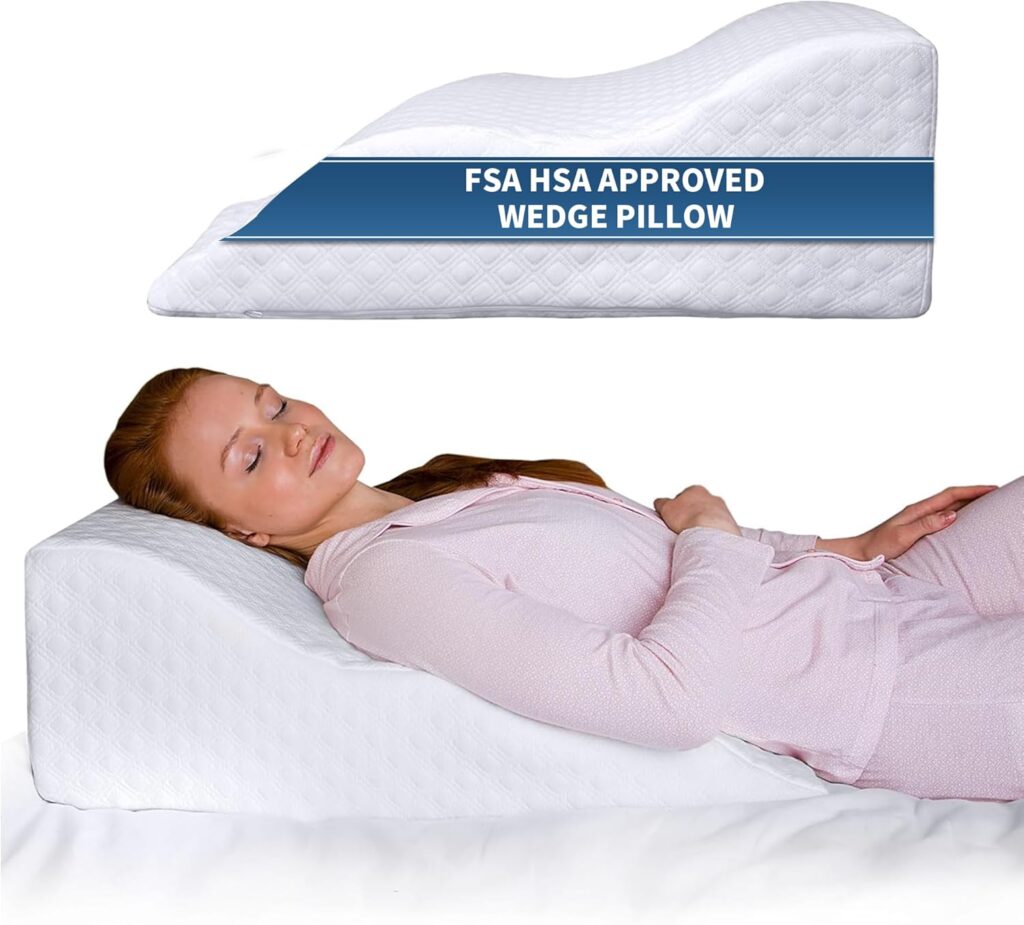
The Aeris Memory Foam Wedge Pillow may suit side sleepers who find traditional flat wedges awkward or prone to slipping.
Its curved profile follows the body more closely while keeping the upper torso elevated, which may support more comfortable positional sleep.
Reviewers with sleep apnea and snoring concerns often praise the shape for limiting overnight sliding, and some report quieter, more restful nights.
Why it Stands Out:
- Curved profile: Supports a more natural side-sleeping position than a flat incline
- Contouring memory foam: Cushions the body while maintaining firm elevation
- 8.5-inch rise: Provides moderate upper-body lift without an extremely steep angle
- Bamboo-blend cover: Promotes airflow and may feel cooler against the skin
For side sleepers comparing wedge pillows for sleep apnea or snoring, the Aeris offers a body-hugging alternative to standard triangular wedges. Its ergonomic curve may feel more stable through the night, though sleepers who prefer a softer surface may find the firm foam too rigid. Shop Aeris Memory Foam Wedge Pillow on Amazon here.
How to Choose a Wedge Pillow
Choosing a wedge pillow for sleep elevation doesn’t have to feel overwhelming. Focus on these key points to match your needs:
- Incline: A 7-12 inch wedge is the popular starting range; steeper 30-45 degree options exist for people who want more elevation. Your doctor can advise on what suits your situation.
- Material: Memory foam offers reliable support. Go gel-infused if you tend to sleep warm.
- Size: Make sure it suits your body and bed size without taking over your space.
- Adjustability: Handy if you want to fine-tune the angle over time, especially while you’re getting used to elevated sleeping.
- Sleep Position: Side sleepers usually prefer a gentler slope, while back sleepers can handle a steeper incline. Stomach sleepers should look for designs that accommodate chest and abdomen support.
Tip: Start with a lower angle and layer a thin pillow for extra softness if needed.
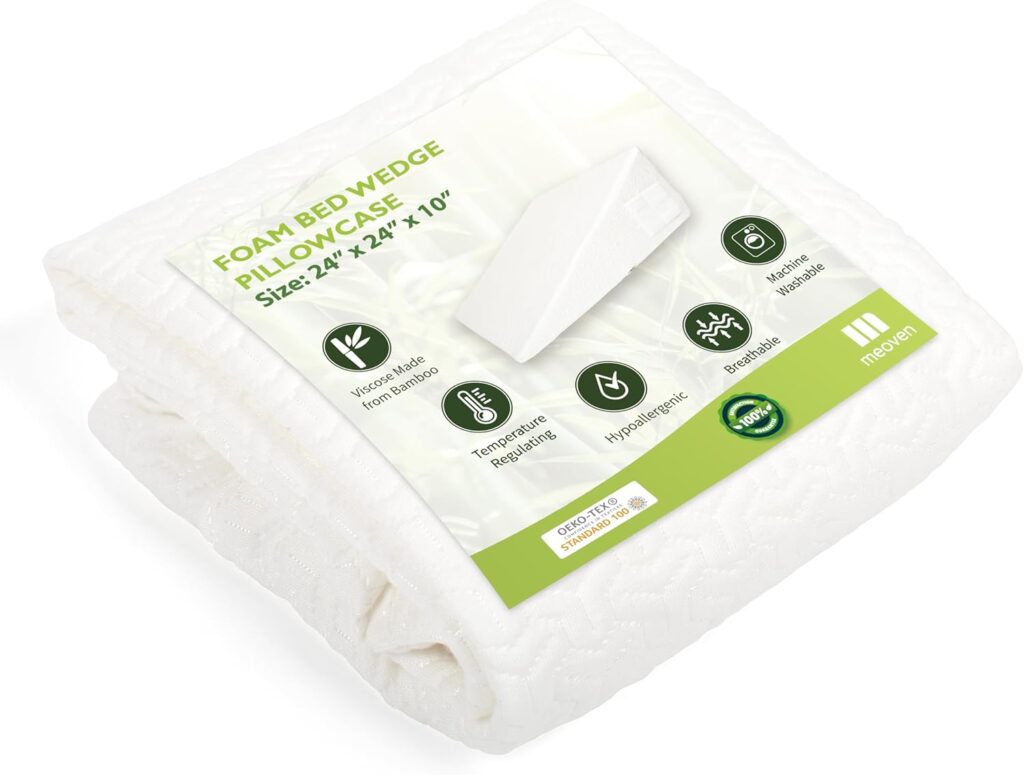
For easy upkeep, consider a removable cover like the MEOVEN Wedge Pillow Cover (fits 24x24x10 wedges), with hypoallergenic bamboo-derived fabric and handy pockets for your phone or remote.
Tips to Get the Most From Your Wedge Pillow
- Ease In: Begin with a slight incline to get used to it.
- Set It Up Right: High end at the headboard, shoulders on the slope.
- Stay Comfortable: Use breathable bedding or cooling foam if you run warm.
- Give It Time: Most people need a week or so to feel settled on an incline.
Additional tips: If it shifts, tuck it under your mattress. If it feels too hot, look for gel options.
Elevated Sleeping by Sleep Position
Each sleeping position comes with its own considerations on an incline:
For Back Sleepers
Most wedge pillows work well since this position naturally aligns with the incline, and back sleepers have the widest range of heights to choose from.
For Side Sleepers
Look for wedges with a gentler slope or curved design. The Aeris model is built specifically for keeping side sleepers comfortable and aligned on an incline.
For Stomach Sleepers
Stomach sleeping is generally the hardest position to pair with a wedge. If you can’t break the habit, consider a very low-angle wedge (under 15 degrees) and place a thin pillow under your hips to reduce spinal strain.
The Alignment Advantage
Whatever your position, a well-chosen wedge supports your spine in comfortable alignment, and many people find that alone makes mornings feel better.
Avoid These Common Pitfalls for Better Sleep
A few common hiccups can trip you up when you switch to an incline. Here’s how to sidestep them:
Sliding Down the Slope
It’s frustrating to wake up slumped at the bottom of your wedge. Tuck it snugly under your mattress or use a non-slip mattress pad. Some wedges have textured bases that grip better naturally; check for that feature when shopping.
Neck Discomfort
Switching to an inclined sleep position can sometimes leave your neck feeling off. Pick a support with the right height for your frame as too steep can strain you. Adding a small neck pillow can also ease the transition, keeping your head aligned without extra fuss.
Disturbing Your Partner
If your bedmate notices every shift, a bulky sleep aid might not help. Choose an elevation option sized for your side of the bed, many are compact enough to avoid overlap. For full customization, a split adjustable bed frame lets you both sleep your way without compromise.
Feeling Too Warm
Heat can make sleep harder than it needs to be. Look for cooling gel foam or breathable designs, both common in the picks above, and pair with moisture-wicking sheets and pajamas.
How to Maintain Your Wedge Pillow
Proper care keeps your wedge comfortable and supportive for years. Here’s how:
Keep It Clean for Better Sleep
Most quality wedges come with removable, washable covers, which is especially handy if you sweat at night or use a CPAP. Wash the cover every 1-2 weeks per the manufacturer’s instructions. For the foam itself, spot clean with mild detergent and let it air dry fully to avoid mold or odors.
Choose Quality Pillow Material
High-quality memory foam or gel-infused foam retains its shape over time. Premium foam lasts longer and keeps its support through years of nightly use.
Rotate and Flip for Even Wear
Foam can settle with nightly use. Rotate your wedge 180 degrees every few weeks to distribute wear evenly, and flip it occasionally if it’s double-sided.
Refresh with Sunlight (Sparingly)
A quick sun session can zap odors and freshen the foam. Limit exposure to 20-30 minutes to avoid UV damage.
Where a Wedge Pillow Fits in a Doctor-Led Plan
Sleep apnea treatment belongs with your doctor, and a wedge works best as one piece of that bigger picture. Here’s how it can fit alongside the rest:
Positional Therapy for Side Sleepers
If your doctor has told you your sleep apnea is position-dependent, they may discuss positional therapy devices that encourage side sleeping. A wedge can sit comfortably alongside that approach; ask your specialist how to combine them.

Lifestyle Changes Doctors Commonly Recommend
Doctors frequently pair sleep apnea treatment with lifestyle guidance. Depending on your situation, yours may suggest:
- Weight management
- Skipping alcohol before bed
- Keeping a regular sleep schedule
- Quitting smoking
- Talking through reflux concerns, since nighttime reflux and sleep apnea often overlap
None of these replace treatment, but they’re the changes that come up most often in sleep medicine.
Related Health Conditions
Sleep apnea often travels with other conditions, like reflux and high blood pressure. Those belong in your doctor’s hands. Mention your sleep setup, including any wedge or elevation, at your next appointment so they have the full picture.
Oral Appliances for Added Support
Some people use a mandibular advancement device prescribed by their specialist. If that’s you, a wedge may complement it; check with your specialist about how they fit together.
Getting Used to Sleeping on an Incline
Switching to an incline isn’t just physical, it’s a mental shift too. Here’s how to ease in:
Stay Positive About the Change
The first few nights on an incline can feel unfamiliar. Keeping the reason you made the switch in mind makes those early nights easier to push through.
Relax Into Your New Routine
Feeling uneasy about the incline? Relaxation techniques like progressive muscle relaxation or guided imagery can help you settle in while your body adjusts to the new position.
Stick With It
Use the wedge every night rather than on and off, so your body adjusts faster. A week or two in, it usually starts feeling like second nature.
Final Thoughts
The right wedge pillow can make elevated sleeping something you actually look forward to rather than tolerate. Whether you’re using one alongside CPAP therapy or exploring elevation with your doctor’s input, options like the RELAX SUPPORT with its full memory foam construction or the Kolbs with its approachable 7.5-inch height offer reliable, comfortable incline.
For side sleepers, Aeris provides ergonomic comfort with its curved design, while AllSett’s adjustable angles suit different positions and preferences. Comfortable elevation is within reach when you match the design to your sleep style.
Give yourself time to adjust, track what changes, and keep your sleep specialist in the loop; they’re the ones who can tell you what your setup is doing for your sleep apnea.
Related Reading
- BiPAP vs CPAP: Understanding the Differences in Sleep Apnea Therapy
- Sleep Apnea Mouth Guard vs CPAP
- Tongue Exercises for Sleep Apnea: Reduce Snoring Naturally
- Smallest CPAP Machine for Travel
Medical Disclaimer: This article is for general information only and does not replace medical advice, diagnosis, or treatment. Wedge pillows may support a more elevated sleep position, but they are not a treatment for sleep apnea and should not replace CPAP, oral appliances, or care prescribed by a qualified healthcare professional. Speak with your clinician before changing your sleep apnea treatment, especially if you have ongoing breathing problems or worsening symptoms.

Sleep Essentials Hub is a sleep blog for readers who want helpful sleep guides and honest product recommendations. We’re passionate about better rest, with a focus on pillows and bedding, sleep aids, sleep apnea and CPAP gear, natural sleep supplements, sleep tech, and simple ways to improve your sleep environment. We’re here to help you choose products that support deeper sleep, greater comfort, and a better night’s rest without overspending.