
6 Best Organic Wool Comforters for Cozier Sleep in Every Season
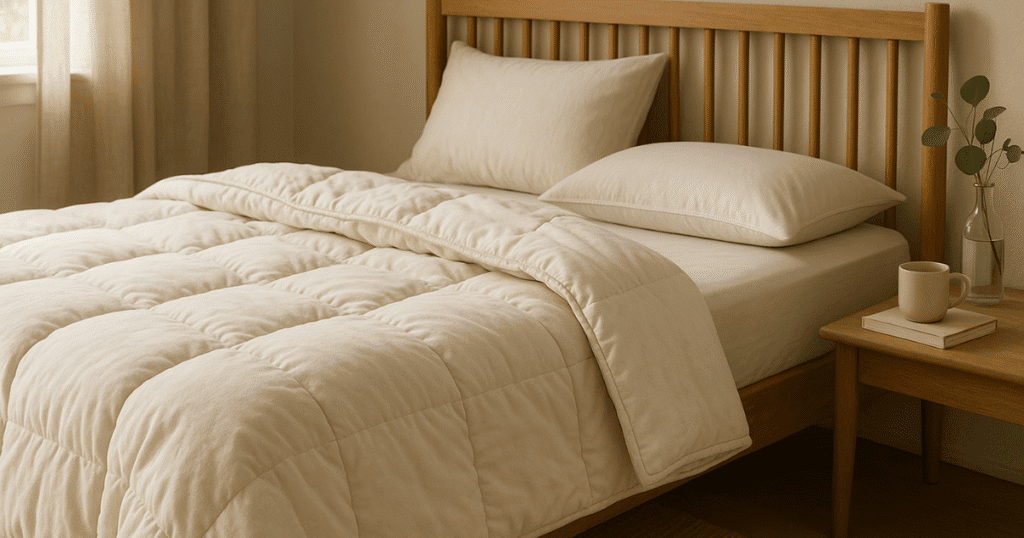
If you sleep hot, deal with night sweats, or want to move away from synthetic bedding, an organic wool comforter is one of the most effective swaps you can make.
Wool is naturally breathable, moisture-wicking, and temperature-regulating, so it adjusts to your body heat instead of trapping it. It also resists dust mites without chemical treatments, making it a solid option for allergy-prone sleepers and anyone building a non-toxic bedroom.
Our top pick, the PlushBeds Natural Wool Comforter, pairs GOTS-certified wool with an organic cotton shell for year-round comfort.
Below, we break down six of the best organic wool comforters and wool duvet inserts available right now, along with everything you need to know before buying.
Disclosure: As an Amazon Associate I may earn a small commission on qualifying purchases at no extra cost to you.
Our Top Picks
- Best Overall Organic Wool Comforter: PlushBeds Natural Wool Comforter Check Price
- Best for Night Sweats: Sleep & Beyond myMerino Wool Comforter Check Price
- Best Machine Washable: Nest Bedding Wool Comforter Check Price
- Best for Chemical Sensitivity: Holy Lamb Organics Eco-Wool Comforter Check Price
- Best All-Season Wool Comforter: Woolroom Deluxe Wool Comforter Check Price
- Best Regenerative Sourcing: Coyuchi Climate Beneficial Wool Comforter Check Price
6 Best Organic Wool Comforters Reviewed
1. Best Overall – PlushBeds Natural Wool Comforter
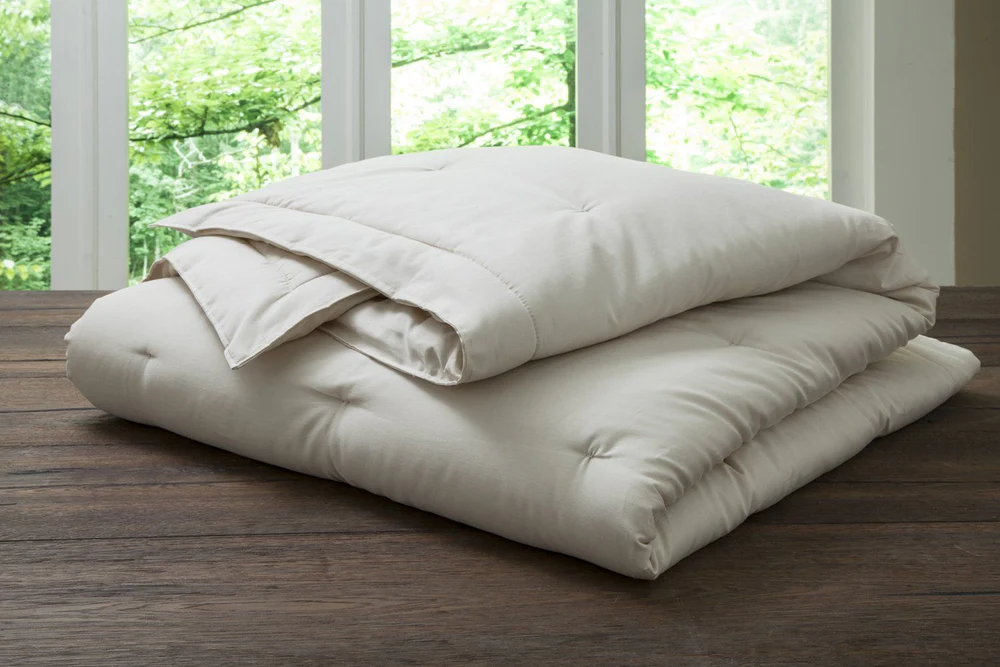
The PlushBeds Natural Wool Comforter leads our list as a standout choice for those wanting premium quality bedding. Crafted with ethically sourced wool, this comforter boasts both GOTS and OEKO-TEX Standard 100 certifications, ensuring the highest standards of organic production and chemical-free processing.
Why we love it: Natural wool fibers work tirelessly to keep you warm in winter and cool in summer, making this a versatile choice for those who struggle with temperature regulation throughout the year.
Material: Premium, ethically sourced wool with dual organic certifications (GOTS + OEKO-TEX Standard 100), encased in 100% organic cotton shell. The outer shell provides a soft and breathable surface that complements the wool’s natural properties.
Who it’s best for: The medium weight option suits most sleepers, offering just the right amount of warmth without feeling heavy or restrictive. Ideal for allergy sufferers since it’s naturally hypoallergenic and resistant to dust mites.
What to know: Available from Twin to California King sizes. Spot clean only. The natural resilience of wool means it keeps its loft and insulating properties even after extended use, lasting many years with proper care. PlushBeds also makes our top-rated organic latex mattress if you’re building out a fully non-toxic sleep sanctuary.
2. Best for Night Sweats – Sleep & Beyond myMerino Wool Comforter
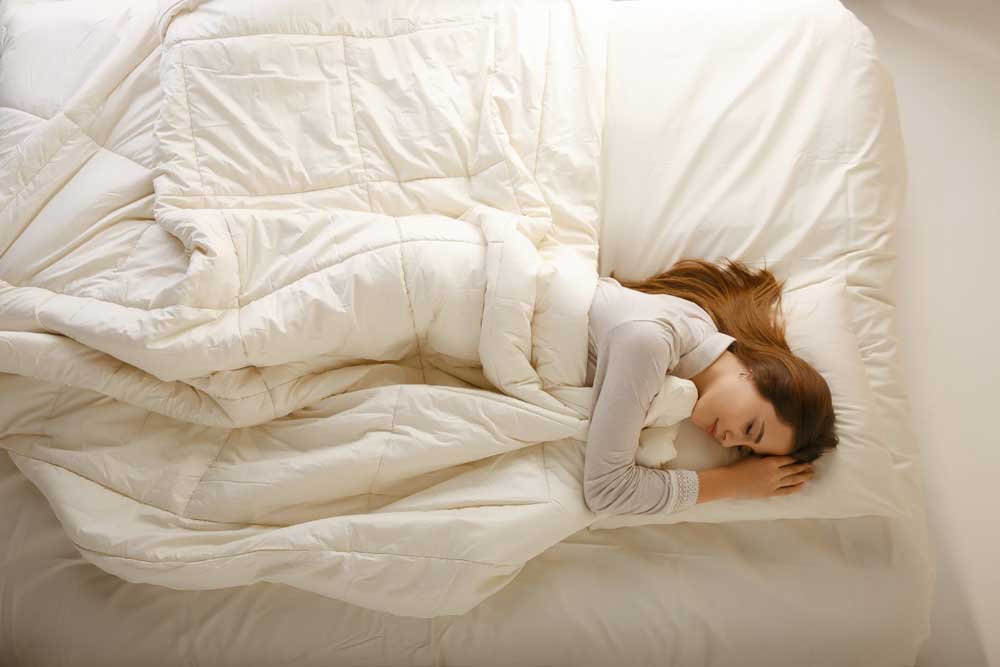
Night sweats are a big reason people stop using down, and merino wool is one of the best natural fibers for handling moisture overnight.
Sleep & Beyond uses 100% organic merino wool from free-range sheep in Kyrgyzstan, where traditional shepherding practices produce an exceptionally fine, soft fiber.
Why we love it: Merino wool can absorb up to 30% of its weight in moisture without feeling damp. Its finer fibers also make it lighter and softer, while still helping with temperature control and pulling moisture away so you stay dry and comfortable through the night.
Material: 100% organic merino wool encased in 300 thread count organic cotton sateen shell with a smooth, slightly silky feel. The cotton casing receives an ultra-fresh antimicrobial treatment, adding an extra layer of protection against bacteria and odors. GOTS and OEKO-TEX certified.
Who it’s best for: Sleepers who deal with night sweats, perimenopause or menopause-related overheating, or anyone who runs hot. The merino fiber is softer and lighter than standard wool, making it a good fit for those sensitive to heavier fills. Pairing this with a mattress pad for night sweats can improve moisture management even further.
What to know: The wool is carefully carded and needled for consistent loft, so warmth distributes evenly across the comforter. Spot clean only.
3. Best Machine Washable – Nest Bedding Wool Comforter
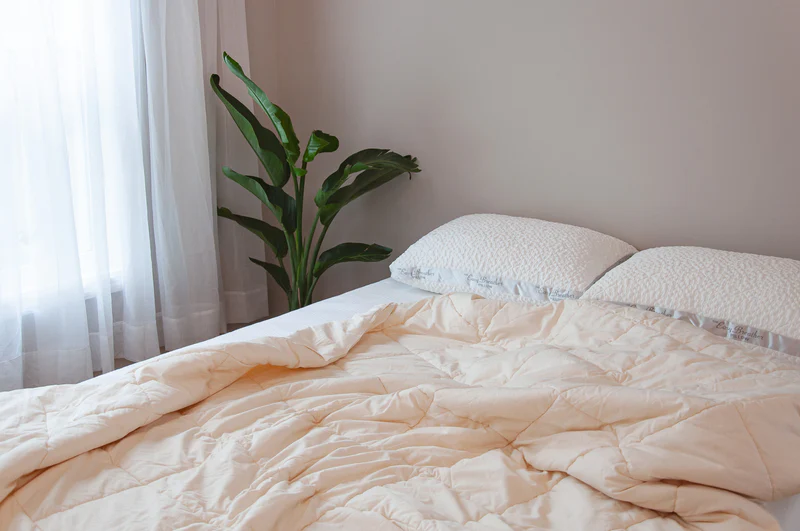
Nest Bedding’s wool comforter uses washable wool fill treated to resist felting, which makes care a lot less stressful. It’s paired with certified organic 300 TC cotton sateen and corner loops for a duvet cover, making it a strong year round option for most climates.
Why we love it: True machine-washable care in cold water on gentle wash, with low-heat tumble dry. Lightweight feel suits warmer sleepers.
Material: 100% washable wool fiber fill (wool treated to resist felting) encased in certified organic cotton sateen. Comes in a gorgeous natural cream color.
Who it’s best for: Warmer sleepers and anyone who wants wool’s moisture-wicking benefits but needs easy laundry-day care. The lightweight fill suits year-round use in moderate climates or temperature-controlled homes.
What to know: Weight is light/medium (approx. 250 GSM fill); available from Twin through King sizes. For care, wash it on a cold gentle cycle, tumble dry on low heat, or air it out in the sun to freshen it up.
4. Best for Chemical Sensitivity – Holy Lamb Organics Wool Comforter
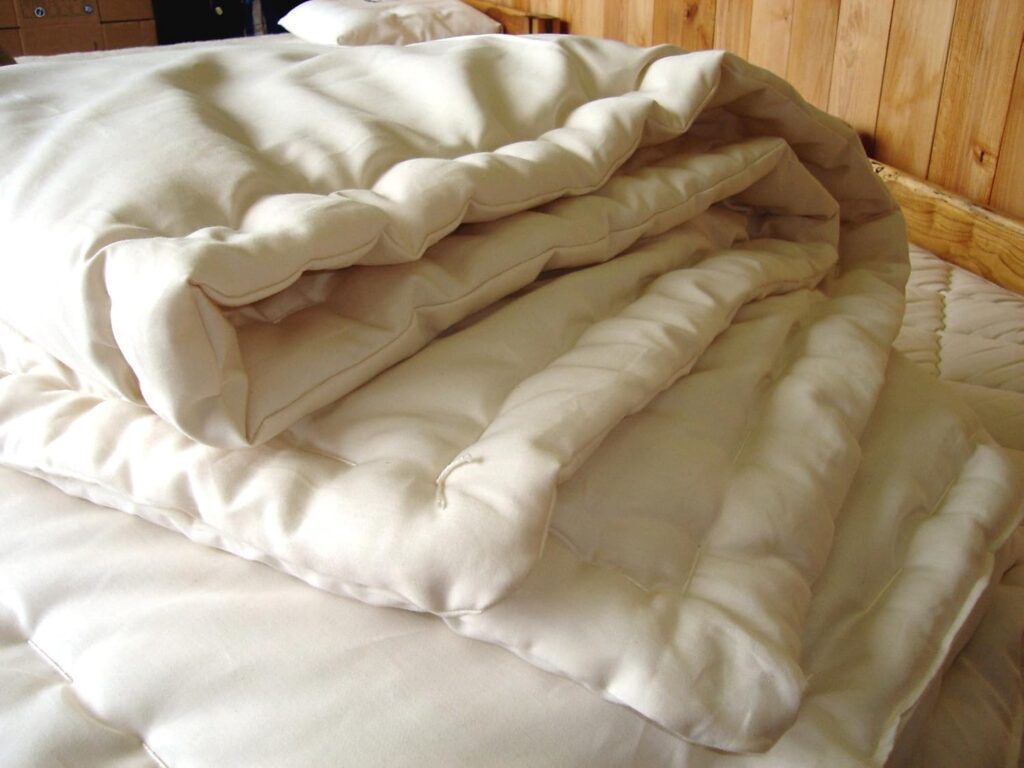
Holy Lamb Organics offers a premium wool comforter handcrafted in the USA using high quality, ethically produced wool from small family farms in the Pacific Northwest. That careful sourcing and hands-on production make it a strong choice for people with multiple chemical sensitivities (MCS) and anyone creating a more non-toxic bedroom.
Why we love it: Holy Lamb’s Premium Eco Wool is minimally processed, with no carbonization or bleaching. The wool is cleaned without harsh chemicals and still keeps a small amount of natural lanolin which contributes to the natural resistance to dust mites and allergens. No synthetic coatings, no chemical finishes, and no flame-retardant treatments at any stage.
Material: Oregon Tilth certified organic Eco-Wool encased in an organic cotton sateen shell for a luxuriously soft surface. Holy Lamb also uses eco-friendly packaging and supports environmental initiatives.
Who it’s best for: Sleepers with chemical sensitivities, anyone who reacts to off-gassing from conventional bedding, and buyers who want to know exactly what’s in their wool comforter.
What to know: A unique quilting pattern keeps the wool fill evenly distributed, preventing clumping and helping the comforter hold its shape over time. Spot clean only.
5. Best All-Season – Woolroom Deluxe Wool Comforter
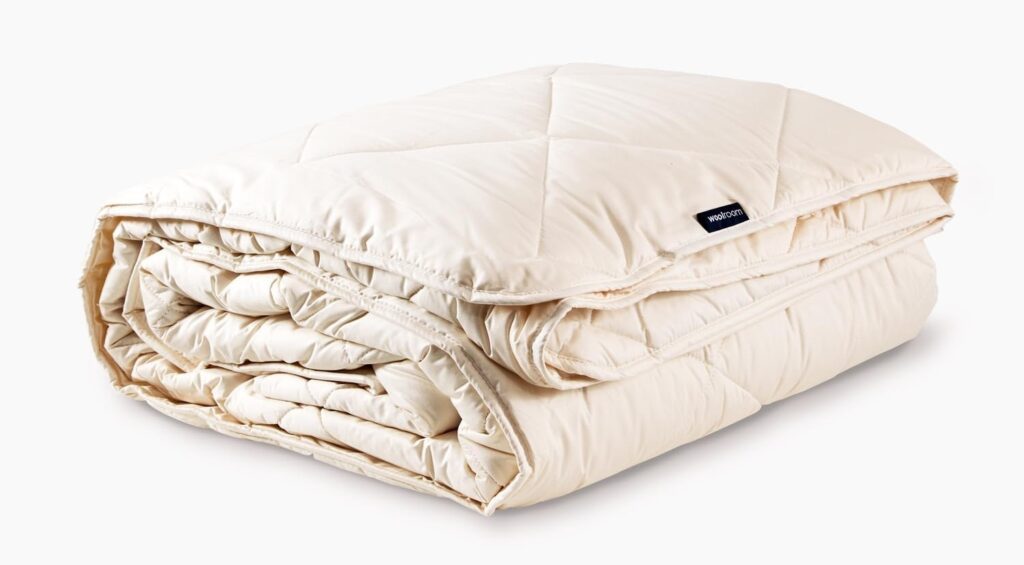
The Woolroom Deluxe Wool Comforter is a premium option made with high quality British wool and a clear focus on sustainability. It also comes in three warmth levels: light, medium, and warm, which helps you avoid one of the most common mistakes with wool comforters which is choosing a weight that works in one season but not another. They also offer an all season 3-in-1 version that combines two lighter layers for coverage across different climates.
Why we love it: The weight selection takes the guesswork out of buying your first wool comforter. Each comforter comes with a QR code tracing the British wool back to the farms where it was sourced through Woolroom’s Wool ID programme. Allergy UK certified as hypoallergenic, and fully machine washable with no felting or shrinking.
Material: 100% traceable British wool from farms independently audited against Five Freedoms animal welfare standards, encased in a 200 thread count organic cotton shell. Machine washable on a wool/delicate cycle at 30 degrees; line dry only.
Who it’s best for: Sleepers who are unsure which warmth level to start with, or anyone who wants the flexibility to swap weights seasonally. The light weight works well for hot sleepers and warmer months; the medium suits year-round use; the warm weight handles cold winters.
What to know: Woolroom uses British sizing, which runs slightly smaller than standard US dimensions. The Queen/Full measures 86×86 inches rather than the more common 90×96. If you need full mattress coverage, consider ordering one size up. Corner loops included for attaching a duvet cover.
6. Best Regenerative Sourcing – Coyuchi Climate Beneficial Wool Comforter
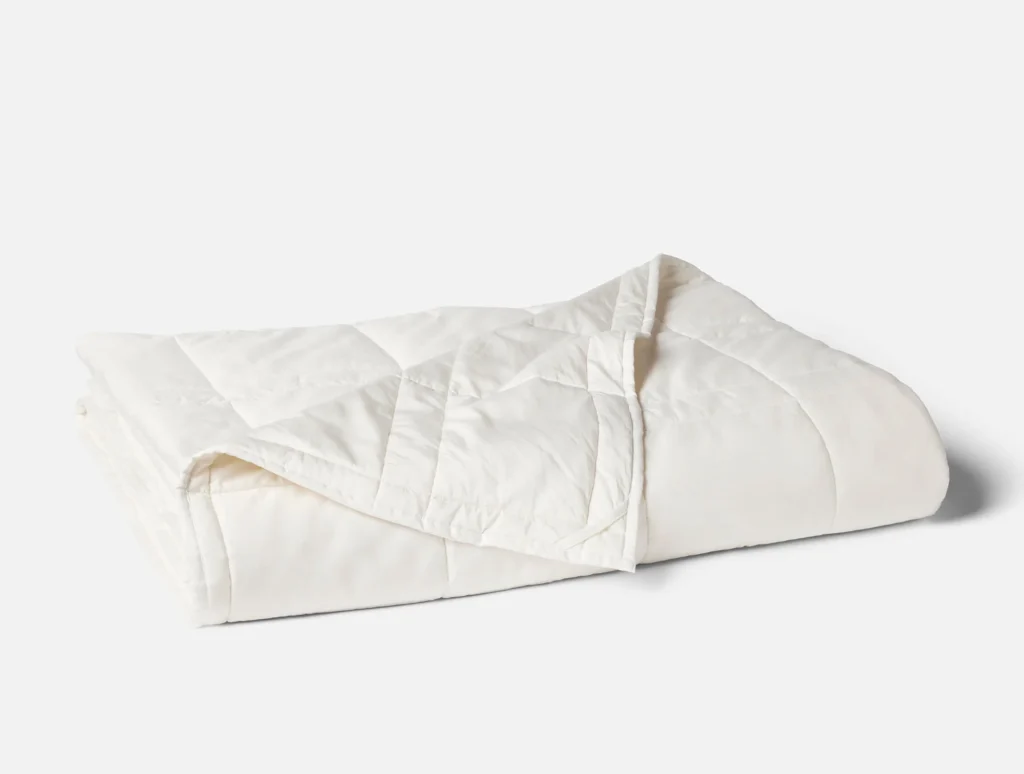
The Coyuchi Climate Beneficial Wool Comforter takes eco-friendly bedding to new heights. This innovative comforter uses wool sourced from ranches that practice carbon farming, actively working to reverse climate change through regenerative agriculture practices.
Why we love it: The carbon farming practices used by Coyuchi actually help sequester carbon in the soil, making this a truly climate-positive product that goes beyond just using organic materials.
Material: Organic wool certified by the Responsible Wool Standard, ensuring ethical treatment of animals and land. The outer shell made from 100% organic cotton creates a soft and breathable surface that complements the insulating properties of the wool.
Who it’s best for: The wool provides excellent temperature regulation, keeping you warm in winter and cool in summer while being naturally moisture-wicking to keep you dry throughout the night.
What to know: Machine washable on gentle cycle for easy maintenance.
Organic Wool Comforter Comparison Chart
| Brand & Product | Material Type | Shell | Care | Best For |
|---|---|---|---|---|
| Premium organic wool | Organic cotton | Spot clean only | Hot sleepers, nontoxic bedding |
|
| Organic merino wool | Organic cotton sateen (300 TC) |
Spot clean only | Night sweats, sensitive skin |
|
| Washable natural wool fiber | Organic cotton sateen (300 TC) |
Machine washable |
Easy care, lightweight warmth |
|
| Eco-Wool (USA made) |
Organic cotton sateen | Spot clean only | Chemical sensitivity, nontoxic bedding |
|
| British wool (traceable) |
Organic cotton (200 TC) |
Machine washable |
All-season comfort, couples |
|
| Carbon farming wool | Organic cotton | Machine wash (gentle) |
Eco-luxury, ethical sourcing |
How to Choose the Right Organic Wool Comforter for You
Not every organic wool comforter is built the same. Here are the factors worth weighing before you buy.
Warmth level and GSM
Wool comforters come in different weights, often listed as lightweight, medium, or warm. Some brands specify fill weight in GSM (grams per square meter), which is the most precise way to compare. Lower GSM (200 to 300) suits warmer climates or hot sleepers. Higher GSM (400+) adds insulation for cold winters. A medium weight is the most versatile for year-round use.
Shell material
The outer fabric affects breathability and feel. Most quality wool comforters use an organic cotton shell in either a sateen weave (smoother, slightly silky) or percale weave (crisp, cooler to the touch). Percale may feel better in warmer months; sateen offers more drape.
Care and washability
Many wool comforters are spot clean only, which means you will want a duvet cover. A few brands offer machine-washable options. Cold gentle wash with low-heat tumble dry is the standard for washable wool. If felting risk concerns you, look specifically for wool treated to resist it.
Certifications
At a minimum, look for GOTS or OEKO-TEX Standard 100 on the wool or the shell fabric. If ethical sourcing is important to you, RWS adds accountability for animal welfare and land management.
Duvet cover compatibility
Most organic wool comforters double as a wool duvet insert. Look for corner ties or loops to keep it in place. A duvet cover also simplifies care, especially for spot-clean-only comforters.
What Certifications to Look for in Organic Wool Bedding
Certifications verify that a product meets specific standards for organic content, chemical safety, or animal welfare.
- GOTS (Global Organic Textile Standard) is the gold standard for organic textiles. A GOTS-certified comforter means the fiber has been verified organic from farm to finished product. This is the first certification eco-conscious and chemically sensitive buyers look for.
- OEKO-TEX Standard 100 tests the finished textile for harmful substances like formaldehyde, heavy metals, and pesticide residues. It does not certify organic content, but confirms chemical safety. A comforter carrying both GOTS and OEKO-TEX covers organic integrity and chemical screening.
- Responsible Wool Standard (RWS) covers animal welfare and land management. If mulesing-free sourcing matters to you, RWS is the certification to look for.
- WOOLMARK verifies that a product contains genuine, high-quality wool fiber.
Not every comforter carries all of these. If you see a brand using terms like “natural” or “eco-friendly” without third-party certification, that is worth questioning.
Are There Any Downsides to Wool Comforters?
Wool comforters have clear advantages, but they are not for every sleeper.
- Cost – Organic wool comforters typically run $200 and $600+, which is a noticeable jump from polyester. But a well made wool comforter can last 15 to 20 years, so the cost per year is often lower than replacing a cheaper comforter every few seasons.
- Care – Many require spot cleaning only. Machine-washable options exist (Nest Bedding and Woolroom both offer them) but are less common. A duvet cover simplifies care for all types.
- Loft and feel -Wool doesn’t have the same cloud-like puffiness as down. It’s denser, drapes closer to the body, and keeps you warm through fiber density rather than airy loft. The temperature control is there, but the look and feel are different. If you love extra loft but still want to sleep cool, see our picks for the best fluffy comforters for hot sleepers.
- Wool sensitivity – Wool comforters are naturally resistant to dust mites and often described as hypoallergenic, but some people do have a sensitivity to wool fiber itself. The organic cotton shell prevents direct skin contact, but if you have a known wool allergy, consult your doctor first.
Wool Comforter vs Down or Synthetic: How Do They Compare?
Wool vs Down
Both are natural fills, but they perform differently. Down is prized for its loft and lightweight warmth, while wool is better known for managing moisture vapor and helping buffer temperature and humidity around the body.
Wool may also help create a drier sleep environment, which is less favorable to dust mites. For hot sleepers or anyone who wakes up clammy, wool is often the better fit, while down is usually preferred by people who want maximum loft and insulation.
Wool vs Synthetic (polyester fill)
Synthetic comforters usually cost less and are often easier to wash, but polyester does not buffer moisture the way wool does. Synthetic textiles can also shed microfibers during use and laundering.
Wool is usually the stronger choice for sleepers who want a more breathable, natural-fill comforter with better moisture management, while synthetic can make sense for tighter budgets and easy-care preferences.
For more options beyond polyester, see our roundup of the best down alternative comforters.
What Does GSM Mean in a Wool Comforter?
GSM stands for grams per square meter and measures how much fill is packed into each square meter of the comforter. It’s the most reliable way to compare warmth across brands, since terms like “lightweight” and “medium” are not standardized.
As a rough guide:
- 200 to 300 GSM is lightweight, best for warm climates or hot sleepers
- 300 to 400 GSM is mid-weight for year-round use
- 400+ GSM is heavier insulation for cold winters.
Buying the wrong weight is one of the most common first-time mistakes, so check with the brand for specific GSM before ordering.
Final Thoughts: Choosing the Right Organic Wool Comforter
The right organic wool comforter may help some sleepers stay drier and more comfortable through the night thanks to wool’s natural breathability and moisture-vapor management.
For most sleepers, the PlushBeds Natural Wool Comforter is the best starting point with its dual GOTS and OEKO-TEX certifications, medium weight for year-round use, and a well-made organic cotton shell.
Whether you prioritize traceable sourcing, specific certifications, or unique fiber blends, these options address common sleep disruptions through wool’s inherent properties, making the investment worthwhile for long-term comfort and health.
Whichever you choose, pairing it with a breathable duvet cover will protect it, simplify care, and extend its lifespan for years. If you want to go all-in on wool bedding, you may like to read our guide to the best organic wool mattress toppers to complement your wool comforter.
People Also Asked
What are the benefits of using a wool comforter?
Wool comforters offer many benefits, including natural temperature regulation, moisture-wicking properties, and hypoallergenic qualities. They keep you warm in winter and cool in summer, helping to maintain a comfortable sleep environment year-round.
How do I clean an organic wool comforter?
Cleaning instructions vary by manufacturer. Some organic wool comforters are machine washable on gentle cycles, while others require dry cleaning.
Always check the care label and follow the manufacturer’s recommendations to maintain the integrity of the wool fibers.
Are wool comforters suitable for people with allergies?
Yes, wool comforters are often suitable for allergy sufferers. Wool is naturally hypoallergenic and resistant to dust mites, mold, and mildew.
However, if you have a specific wool allergy, you should ask with your doctor before using a wool comforter.
How long do organic wool comforters typically last?
With proper care, high-quality organic wool comforters can last 10-15 years or more. The natural resilience of wool helps these comforters maintain their loft and insulating properties over time.
Can wool comforters help regulate body temperature?
Yes, wool has excellent temperature-regulating properties. It can absorb moisture and release it into the air, helping to keep you warm when it’s cold and cool when it’s hot.
This makes wool comforters ideal for year-round use.
Are organic wool comforters worth the investment?
While organic wool comforters may have a higher upfront cost, many users find them worth the investment because of their durability, comfort, and health benefits. They often last longer than synthetic alternatives and provide superior sleep quality.
What’s the difference between merino wool and regular wool in comforters?
Merino wool is known for its finer, softer fibers compared to regular wool. In comforters, merino wool often provides a lighter, softer feel while still offering excellent insulation and moisture-wicking properties.
Can wool comforters help with night sweats?
Yes, wool comforters can be useful for those who experience night sweats. Wool’s natural ability to wick away moisture helps keep you dry and comfortable throughout the night.
How do organic wool comforters compare to down comforters?
Organic wool comforters offer similar warmth to down but with better moisture-wicking properties and temperature regulation. They’re also often more sustainable and hypoallergenic compared to down comforters.

Sleep Essentials Hub is a sleep blog for readers who want helpful sleep guides and honest product recommendations. We’re passionate about better rest, with a focus on pillows and bedding, sleep aids, sleep apnea and CPAP gear, natural sleep supplements, sleep tech, and simple ways to improve your sleep environment. We’re here to help you choose products that support deeper sleep, greater comfort, and a better night’s rest without overspending.