
Sleep Connection Anti-Snore Wristband Review: Does It Work for Snoring?
A wristband that can quiet snoring without a mouthpiece, CPAP mask, or nasal strip can sound appealing, especially if you’ve tried bulky snoring aids and stopped using them. That’s the idea behind the Sleep Connection Anti-Snore Wristband.
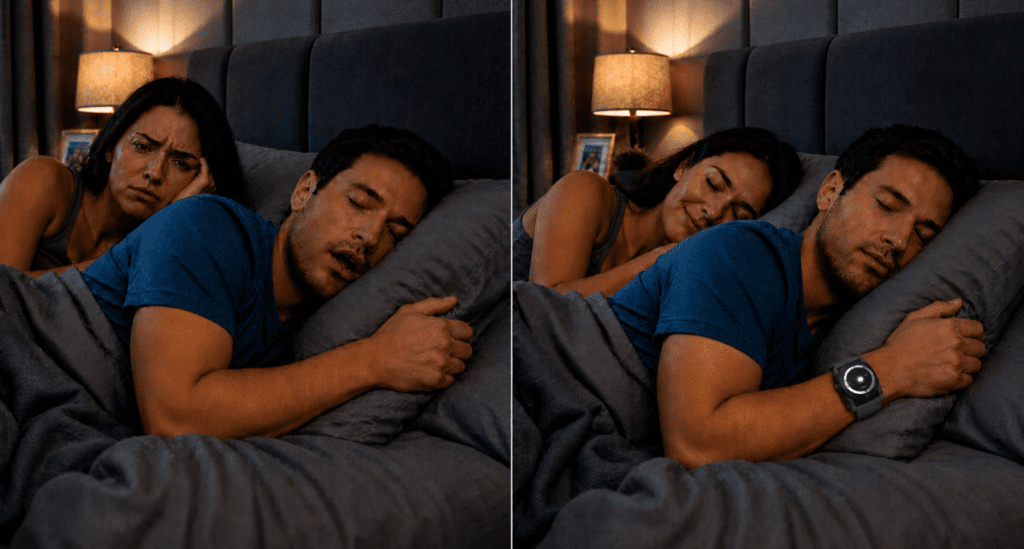
You wear it like a watch while you sleep, and when it detects snoring, it sends a mild pulse to your wrist to encourage a small shift in sleep position without fully waking you up.
It’s mainly meant for light, position-related snoring, the kind that often gets worse when you’re on your back and eases when you roll onto your side. If your snoring is tied to nasal blockage, sleep apnea, or another medical issue, this type of anti-snore device may not address the cause.
This Sleep Connection Anti-Snore Wristband review looks at how it works, who it may help, what users commonly report, and how it compares with other snoring solutions and anti-snore devices.
See Price and Availability of Sleep Connection’s Anti-Snore Wristband
Disclosure: This article is reader-supported and contains affiliate links. I may earn a small commission on qualifying purchases.
What Is the Sleep Connection Anti-Snore Wristband?
The Sleep Connection Anti-Snore Wristband is a watch-style band designed to be worn at night. Inside the band sits a small biosensor that listens for the sound of snoring. When it picks one up, the device delivers a low-level electrical pulse to the wrist. The pulse is meant to feel like a soft buzz rather than a jolt or a shock.
A few practical features are worth knowing. Pulse intensity is adjustable across multiple levels, so the strength can be dialed up or down to suit different sleepers. The band is rechargeable via USB, with battery life that covers a full night on a single charge, and an eight-hour auto shut-off so it doesn’t keep running into the morning.
There’s no companion app and no sleep tracking, which keeps things simple but means you won’t get data, charts, or trend reports. Its low-profile, watch-like look may be preferred by people who don’t want anything that looks medical, clinical, or obviously snore-related sitting on the nightstand.
How Does the Sleep Connection Wristband Work?
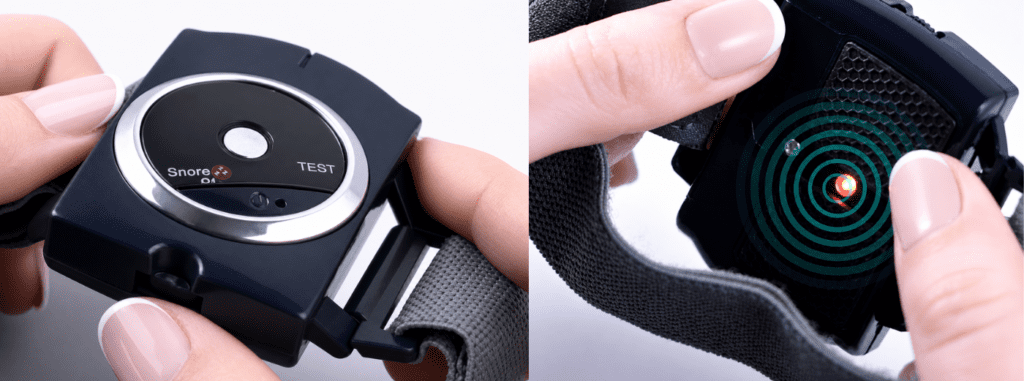
The thinking behind the anti-snoring wristband is rooted in positional snoring.
When you sleep on your back, gravity lets the tongue and the soft tissue at the back of the throat fall toward the airway. The narrower airway creates the buzzing sound of a snore. Rolling onto your side opens that space back up, which is why a side-sleeper often snores less than someone lying flat.
The wristband leans into that pattern by using sound detection to spot snoring in real time and a gentle pulse to cue a position change. If shifting from back to side is the thing that quiets the snoring, the small buzz on the wrist acts as a soft prompt to make that move happen, ideally without dragging you out of sleep.
Who Sleep Connection Is Best For
The wristband fits a specific kind of snorer, partner, and sleep situation. It’s a reasonable match for people who:
- Have light or occasional snoring rather than loud, nightly, or chronic snoring
- Notice their snoring gets worse when sleeping on their back
- Want a non-invasive wristband instead of something on their face or in their mouth
- Don’t get along with mouthpieces or nasal dilators
- Have already tried nasal strips, special pillows, or chin straps without much luck
- Share a bed with a partner who’s losing sleep, getting frustrated, or thinking about moving to the spare room
- Want a low-effort, low-commitment first step to ease snoring
If most of that sounds familiar, Sleep Connection may be one of the easier anti-snoring devices to try first.
👉 Check Today’s Offer on the Anti-Snoring Wristband
Who May Need a Different Snoring Solution
Sleep Connection isn’t designed for every type of snoring, every sleeper, or every situation. A wristband can’t open a collapsed airway, manage chronic congestion, or treat a clinical condition. A few signs point toward needing more than a gadget can offer:
- Loud, nightly snoring that doesn’t improve with position
- Gasping, choking, or pauses in breathing during sleep
- Frequent morning headaches
- Persistent daytime sleepiness or fatigue
- Suspected or diagnosed sleep apnea
- Nasal obstruction or a deviated septum
- Pregnancy, pacemaker, implanted electronic device, or a heart condition without medical clearance for low-level electrical stimulation
If any of these apply, it’s best to speak with a sleep specialist or qualified healthcare professional before trying another anti-snore device. If they recommend looking into sleep testing, our guide on how to get an at-home sleep study explains what the process usually looks like before you move into CPAP or other prescribed options.
Sleep Connection Reviews: What Buyers Report
Feedback on Sleep Connection is mixed, which is fairly common for snoring devices since snoring causes vary so much from one person to the next.
On the positive side, some buyers report that the wristband helped reduce snoring on the nights they wore it, especially when their snoring was already on the milder end. Partners in those cases describe quieter nights, better sleep for both people in the bed, and a return to sharing a bedroom after months of separate rooms. Comfort comes up often too, with several users noting that the band itself is light enough to wear through the night without irritation, pressure, or wrist soreness.
On the downside, some users say the wristband can be inconsistent. It may pulse when no one is snoring, especially if there’s background noise, a partner moving or breathing nearby, or a pet in the room. Some reviews also mention that it can miss softer snoring, which can make it hard to tell whether the device is working on quieter nights. A few users find the pulse too noticeable at higher settings, however this can be adjusted.
The takeaway worth keeping in mind is that the device suits some snoring patterns far better than others. Mild, position-related, back-sleeping snoring lines up best with what the wristband is built to do.
Sleep Connection Pros and Cons
Pros
- Non-invasive, watch-style design
- No mouthpiece, mask, or nasal strip needed
- Adjustable pulse intensity across multiple levels
- Rechargeable via USB with eight-hour auto shut-off
- Discreet, low-profile look
- May help with light positional snoring
Cons
- Mixed feedback on snore detection accuracy
- May trigger from background noise
- Higher intensity settings can feel uncomfortable for some users
- Not appropriate for suspected sleep apnea
- No companion app
Final Verdict: Should You Try Sleep Connection?
Sleep Connection may be worth trying if your snoring is mild, gets worse when you sleep on your back, and you’d rather wear something on your wrist than something on your face or in your mouth.
It’s an easy, non-invasive option for light positional snoring and a reasonable first step before moving on to more uncomfortable or expensive options. For couples who’ve ended up sleeping in separate rooms over snoring, it’s also a low-effort experiment to try before bigger changes.
If your snoring is louder, more frequent, or linked to mouth breathing, a custom-fit mouthpiece like SnoreRx or SleepZee may be a better next step. But if you want the simplest place to start, Sleep Connection gives you a wrist-based option that’s easy to try, easy to adjust, and designed to help reduce light snoring without adding anything bulky to your face or mouth.
👉 See Current Deal on the Sleep Connection Anti-Snore Wristband
Sleep Connection vs Other Snoring Solutions
Snoring isn’t a one-size problem, and snoring solutions reflect that. Here’s how Sleep Connection compares to a few common alternatives.
Sleep Connection vs Nasal Strips and Mouth Tape
Nasal strips and mouth tape are usually the simplest snoring aids to try first. Nasal strips help open the nose from the outside, while mouth tape encourages nose breathing through the night.
They’re better suited to people who snore because of restricted nasal airflow or mouth breathing. Sleep Connection works differently. It’s aimed more at people who snore when they roll onto their back.
So if your snoring seems worse when your nose feels blocked, nasal strips, mouth tape, or a nasal dilator may be the better starting point. If your snoring gets louder on your back and eases when you shift onto your side, Sleep Connection’s wristband is likely the better fit.
Sleep Connection vs Anti-Snore Mouthpieces
Anti-snore mouthpieces, including mandibular advancement devices like SnoreRx and ZQuiet, hold the lower jaw slightly forward to keep the airway more open during sleep. They can work well for moderate snoring and often perform better than wristbands when the cause is anatomical, structural, or jaw-related.
However for some, they may feel uncomfortable to use. Mouthpieces sit between the teeth all night and take time to get used to. Some users find them effective once they adjust, while others can’t get past the feel of having something in their mouth.
Sleep Connection is easier in that sense because it doesn’t require a boil-and-bite fit, jaw adjustment, or anything sitting between your teeth. If you’re open to an oral device, our SnoreRx vs ZQuiet comparison is a better next read before choosing between a wristband and a mouthpiece. You can also compare SleepZee vs ZQuiet if you want another mouthpiece-style option to weigh up.
Sleep Connection vs Positional Pillows
Positional pillows discourage back-sleeping by physically making it harder to stay there. They’re a passive, no-tech option for the same problem the wristband targets. Pillows can be effective and have no electronics, batteries, or pulses involved, though they’re bulkier and less travel-friendly.
Sleep Connection offers a lower-profile take on the same idea, with a soft pulse acting as a cue rather than a wedge under the back. Some couples combine both for stronger results.
If back-sleeping is the main trigger, our guide to the best anti-snore pillows for side sleepers covers pillow-based options that may help you stay off your back more comfortably.
Sleep Connection vs CPAP or Sleep Study
CPAP and a sleep study sit in a different category. They’re for people with confirmed or strongly suspected sleep apnea, where snoring is one symptom among several.
CPAP is commonly prescribed to manage apnea and the long-term health risks tied to it, including cardiovascular strain, daytime fatigue, and metabolic issues. A wristband isn’t built for that situation and shouldn’t be used as a replacement. If snoring comes with gasping, choking, or daytime sleepiness, a sleep study is the right move, even if it feels less convenient than ordering a gadget online.
Readers already exploring sleep apnea treatment may be interested in our guide to the best CPAP machines with humidifiers.
Sleep Connection FAQs
Does Sleep Connection actually stop snoring?
Sleep Connection can reduce snoring for some users, mostly those whose snoring is mild and tied to back-sleeping. It works as a cue to change position rather than a treatment for the underlying cause of snoring.
Who is Sleep Connection best for?
Sleep Connection’s anti-snore wristband is best for people with light, position-related snoring who want a non-invasive option. Couples looking for a simple first try before moving to mouthpieces are also a good fit.
Can Sleep Connection help sleep apnea?
No. Sleep Connection isn’t a treatment for sleep apnea. Anyone with suspected apnea, including symptoms like gasping, choking, breathing pauses, or daytime sleepiness, should speak with a sleep specialist.
Is Sleep Connection safe?
The wristband uses a low-level electrical pulse and is built for nightly use. People with a pacemaker, implanted electronic device, heart condition, or who are pregnant should check with a doctor before using any device that delivers electrical stimulation. Lower the intensity if you notice skin irritation, discomfort, or wrist soreness.
Why does the Sleep Connection wristband pulse?
The pulse is the device’s way of cueing the wearer to change sleep position when snoring is detected. It’s designed to be soft enough to redirect rather than wake the sleeper, with adjustable intensity for personal preference.
What is better than an anti-snore wristband?
That depends on the cause of the snoring. Mouth tape and nasal strips work well for nasal-airflow snoring. Mouthpieces like SnoreRx handle anatomical or jaw-related snoring. CPAP, prescribed after a sleep study, is the standard option for sleep apnea.
If you’re leaning toward SnoreRx specifically, our SnoreRx vs SnoreRx Plus comparison can help you decide whether the upgraded version is worth buying.
Medical disclaimer: This article is for general informational purposes only and isn’t medical advice. Snoring can be harmless, but loud, frequent snoring with gasping, choking, breathing pauses, morning headaches, or daytime sleepiness may be a sign of obstructive sleep apnea or another health issue. Sleep Connection is not intended to diagnose, treat, or cure sleep apnea. Speak with a qualified healthcare professional before using an anti-snore device if you’re pregnant, have a pacemaker or implanted electronic device, have a heart condition, or suspect sleep apnea.

Sleep Essentials Hub is a sleep blog for readers who want helpful sleep guides and honest product recommendations. We’re passionate about better rest, with a focus on pillows and bedding, sleep aids, sleep apnea and CPAP gear, natural sleep supplements, sleep tech, and simple ways to improve your sleep environment. We’re here to help you choose products that support deeper sleep, greater comfort, and a better night’s rest without overspending.