
Best Mouth Tape for Sleeping – Top Picks for Snoring, Dry Mouth & Nasal Breathing
Mouth taping has gone from a niche biohacking habit to a common sleep health topic.
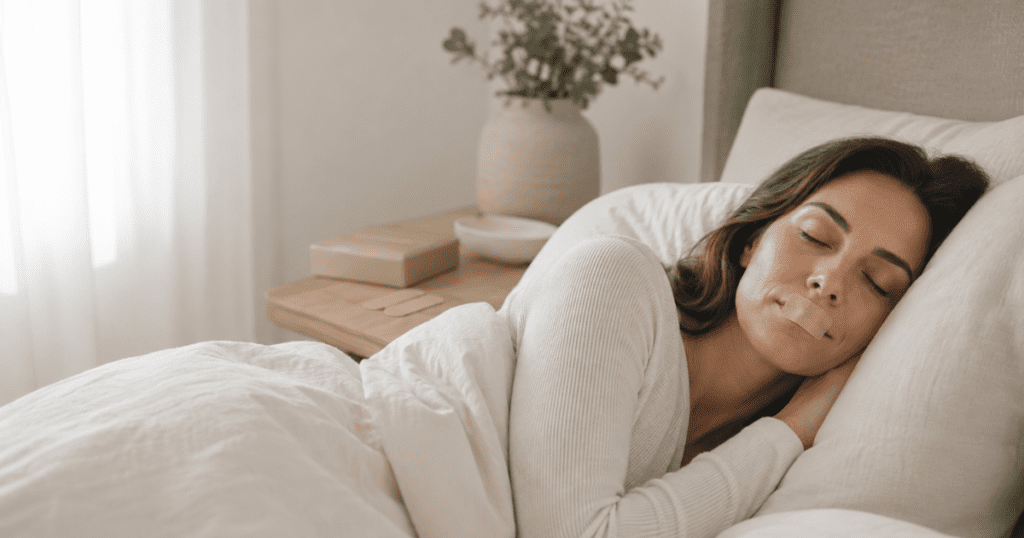
The idea is simple – a small, breathable strip sits gently over the lips to encourage nasal breathing overnight. For some people, that may help with snoring, dry mouth, and waking up with a dry throat.
If you already breathe comfortably through your nose during the day, the right mouth tape can support better sleep quality, calmer breathing, and fewer overnight disruptions. The wrong tape can cause skin irritation, peel off by morning, or feel too restrictive to wear through the night.
For readers comparing snoring relief options, mouth tape is one option to consider when snoring seems linked to mouth breathing.
Below are our top picks for sleep, each matched to a different need, including snoring, CPAP support, sensitive skin, and material preferences.
If mouth tape doesn’t seem right for your sleep style, you may also want to compare anti-snoring mouthpieces, especially if your snoring may be jaw-related.
Disclosure: This article is reader-supported and may contain affiliate links. I earn from qualifying purchases at no extra cost to you.
How Does Mouth Taping Improve Sleep Quality?
Mouth taping works by gently sealing or supporting the lips so airflow is directed through the nose, affecting how you breathe during sleep.
When you breathe through your nose, air is filtered, warmed, and humidified before reaching the lungs. Nasal breathing also helps carry nitric oxide from the nasal passages and sinuses into the airways. Nitric oxide is involved in blood vessel function, oxygen uptake, and immune defense.
Chronic mouth breathing during sleep can lead to dry mouth, snoring, increased cavity risk, morning breath, and lighter sleep cycles. Encouraging nasal breathing with a skin-safe mouth tape may help with:
- Reduced snoring and softer overnight breathing
- Less dry mouth and throat irritation on waking
- Better saliva production for oral health
- Improved oxygen exchange and calmer sleep
- Less daytime fatigue from fragmented sleep
However, mouth taping is not a treatment for sleep apnea or other diagnosed disorders. If you snore loudly, gasp at night, or feel exhausted during the day, an at-home sleep study may be a safer first step than trying mouth tape on your own.
Top Mouth Tape Picks for Sleep in 2026
Best Overall – Sleep Ease Mouth Tape
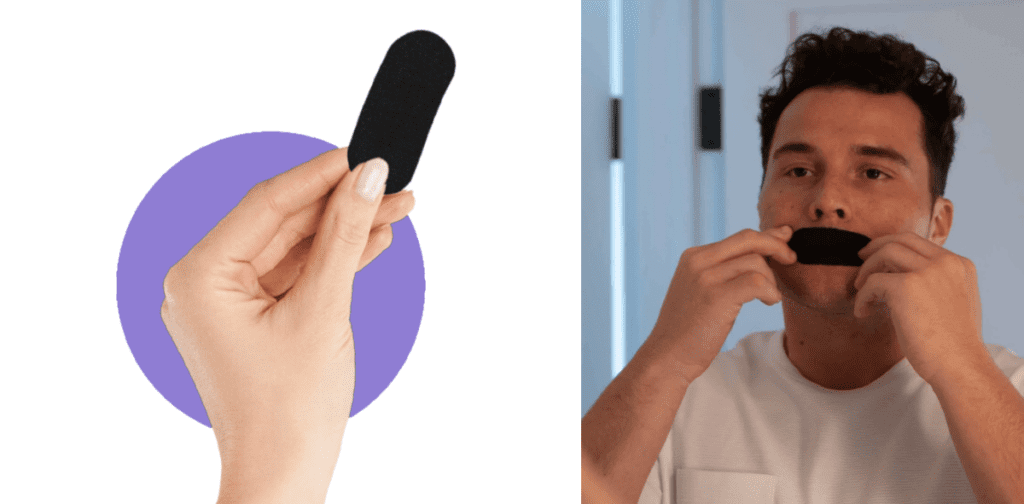
Sleep Ease Mouth Tape is our top pick for nightly mouth taping.
The strip helps keep the mouth gently closed, which can encourage nasal breathing through the night. For people who wake up with dry mouth, mild snoring, or a dry throat, that small change may help with disrupted sleep.
Sleep Ease also suits those who are new to mouth taping. The adhesive is made to stay put overnight, but it doesn’t pull harshly at the skin when removed in the morning. The shape sits neatly over the lips, and the seal feels secure without being too restrictive.
For couples losing sleep over snoring, Sleep Ease can be a simple first step. Some people notice quieter nights within the first few uses, which is why it’s popular for nasal breathing support and snoring relief.
Key Features:
- Gentle all-night adhesion that peels off cleanly in the morning
- Single-use strip designed for nightly wear
- Encourages nasal breathing for less snoring and dry mouth
- Comfortable feel that suits first-time tapers
- Available at limited-time discounted pricing on the official site
Sleep Ease is designed to stay in place overnight, remove easily in the morning, and sit comfortably over the lips.
By helping keep the mouth closed during sleep, it may support nasal breathing and reduce issues like snoring or waking with dry mouth.
Best Mouth Tape for CPAP Users – Lofta Mouth Tape for Sleep
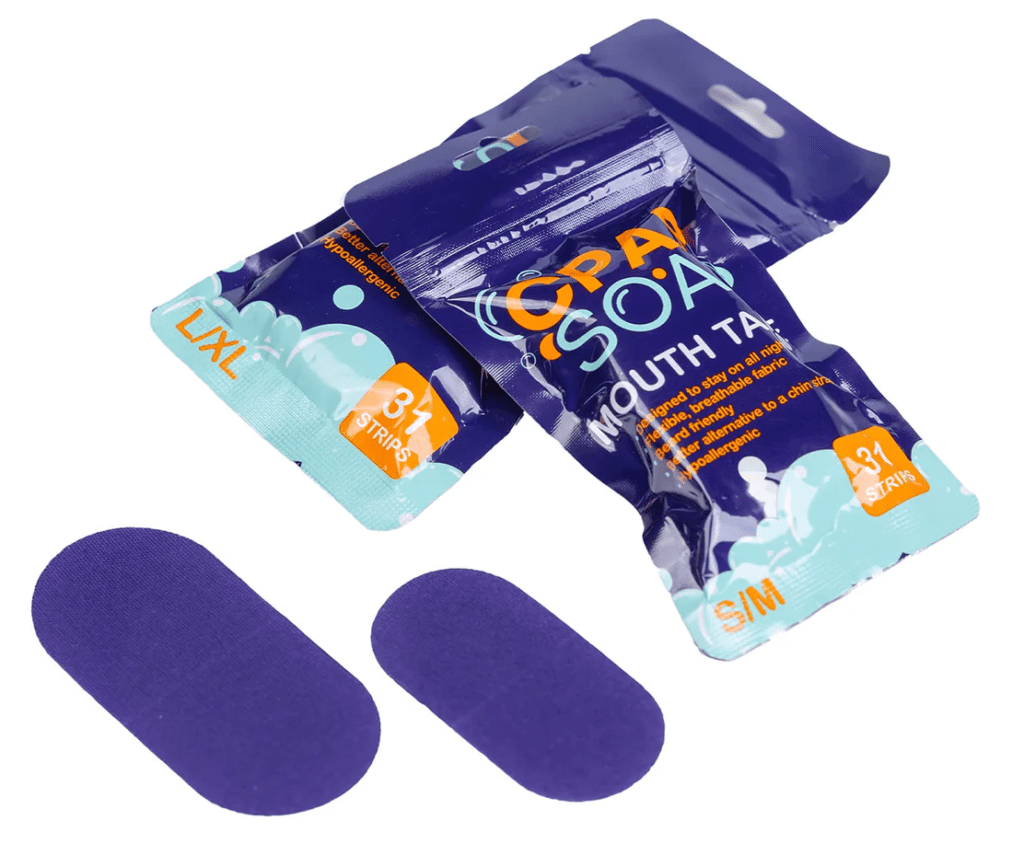
If you use a CPAP machine and struggle with air leaking through your mouth at night, Lofta Mouth Tape was built for you. It’s designed to work with nasal masks and nasal pillows, helping pressurized air stay in your airway instead of escaping through an open mouth.
Lofta comes in two sizes, S/M at 76 x 38 mm and L/XL at 95 x 45 mm, so you can choose the size that fits your face more closely.
Some CPAP users say it helps with cheek puffing and mask leaks, two issues that can make therapy harder to stick with.
The tape is slightly porous, so a small amount of air can still pass through if your mouth opens while you sleep. That can help reduce cheek swelling and overnight discomfort.
CPAP users who sleep on their side may also want to compare nasal CPAP masks before adding mouth tape.
Key Features
- Two sizes, S/M and L/XL
- Made to help reduce CPAP mouth leaks
- Slightly porous design allows minor airflow if needed
- Works with nasal masks and nasal pillows
- Recommended by Lofta’s respiratory therapy team for CPAP use
Lofta Mouth Tape is a good option for CPAP users who want mouth tape that works with nasal CPAP therapy without switching to a bulky chin strap.
Best Mouth Tape for Sensitive Skin: MyoTape
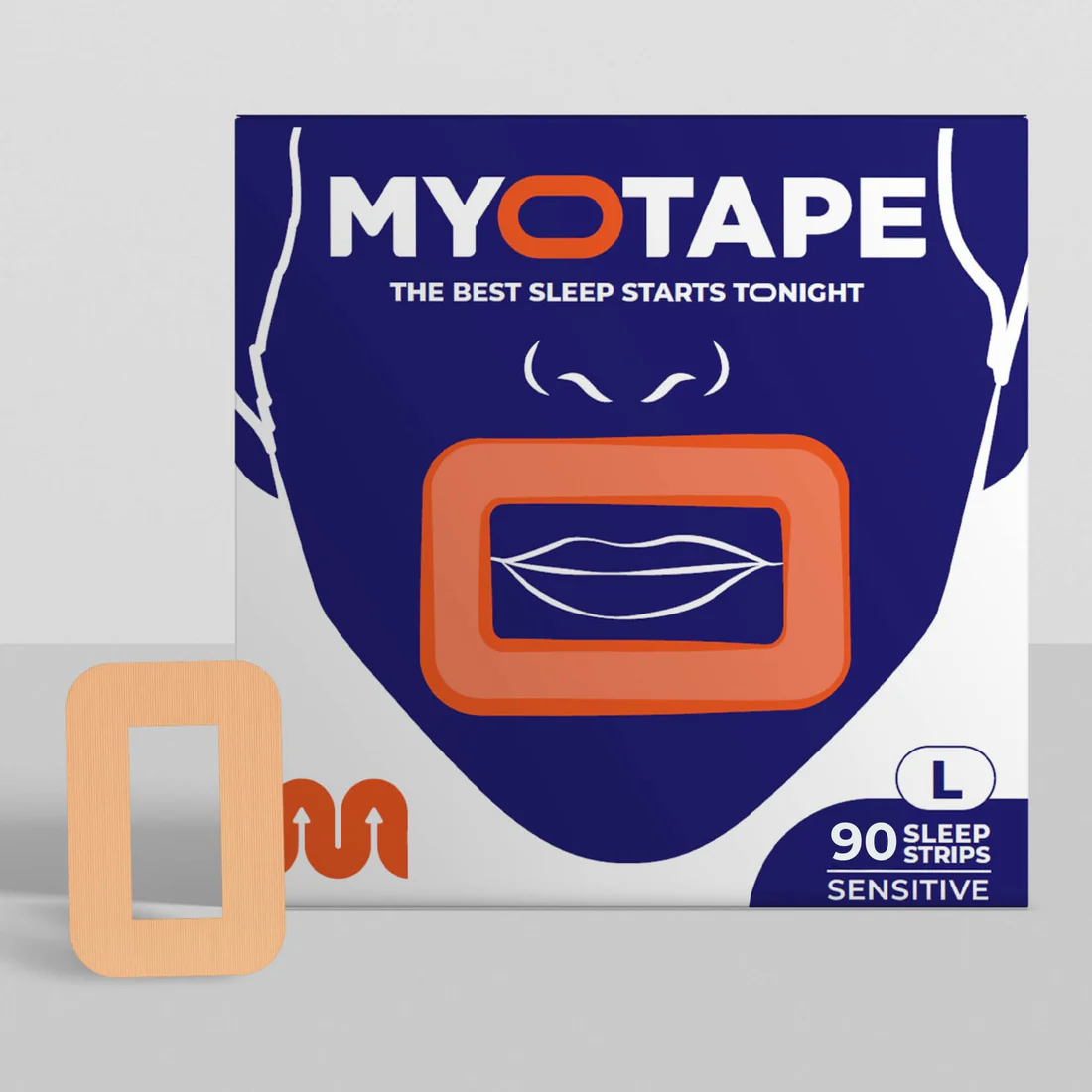
MyoTape takes a different approach to mouth taping.
Instead of placing adhesive across your lips, it uses a stretchy elastic strip that sits around the mouth. Your lips stay uncovered, while the gentle tension helps remind your mouth to stay closed during sleep.
The center opening is one of its main advantages. You can cough, sip water, or talk without removing the tape, which can make it less intimidating for people who feel uneasy about sealing their mouth shut.
MyoTape also comes in Adults, Sensitive Skin, Beard, and Kids versions.
For people who don’t like the idea of adhesive directly on their lips, MyoTape gives a less restrictive way to encourage nasal breathing at night.
Key Features:
- Elastic around-the-lips design with no adhesive on the lips
- Central opening allows sneezing, coughing, and sipping water
- Sensitive Skin, Beard, and Kids versions available
- Patented design by breathing expert Patrick McKeown
- Backed by 27 million strips sold across more than 100 countries
MyoTape’s elastic around-the-lips fit, central opening, and skin-friendly hold encourage natural lip closure so you’re no longer worried about feeling sealed in or trapped by traditional adhesive tape.
Best PFAS-Free Mouth Tape Made in the USA – VIO2 Tape
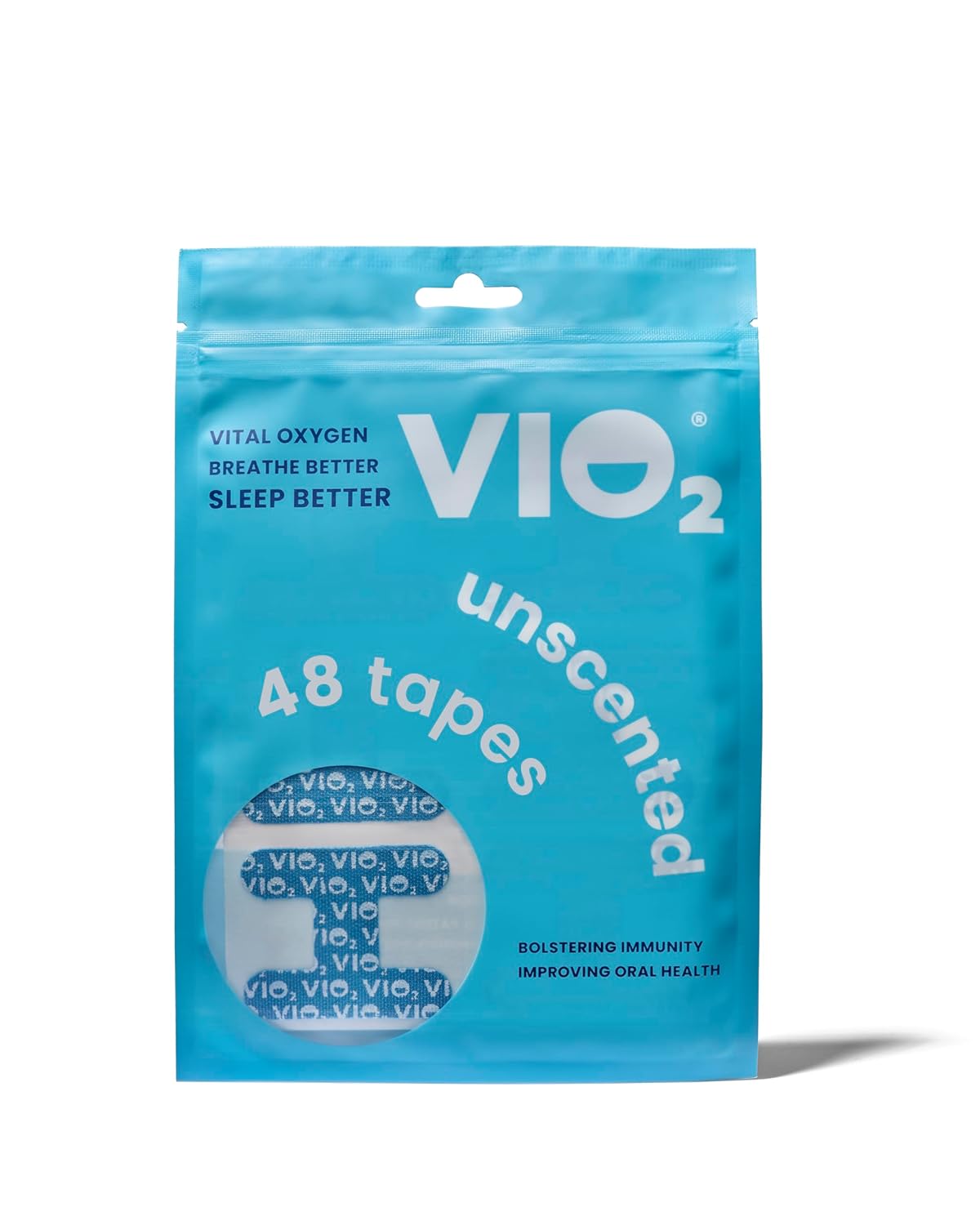
VIO2 Tape was created by Dr. Vincent Ip and Lindsey Ip, a doctor and mom team focused on cleaner materials for nightly mouth taping.
The tape is PFAS-free, made in the USA, and uses a dermatologist-tested adhesive designed for sensitive skin.
Instead of sealing the mouth from corner to corner, VIO2 sits over the center of the lips. That partial-coverage design can feel less restrictive for people who want to try mouth tape without a full lip seal.
Key Features:
- PFAS-free material
- Made in the USA
- Dermatologist-tested adhesive
- Partial-coverage design for a less restrictive fit
- 48 strips per pack
VIO2 is a good option for people who want PFAS-free mouth tape with a lighter seal and an adhesive made with sensitive skin in mind.
Mouth Tape Comparison at a Glance
| Product | Best For | Coverage Style | Sizes Available |
|---|---|---|---|
| Sleep Ease | All-around snoring relief | Full lip strip with gentle adhesive | Standard |
| Lofta Mouth Tape | CPAP users with mouth leaks | Full lip strip, slightly porous | S/M, L/XL |
| MyoTape | Sensitive skin, first-time tapers | Elastic around the lips with center opening | Adult, Sensitive, Beard, Kids |
| VIO2 Tape | Clean materials, partial seal | Partial center-lip coverage | Standard |
How to Choose the Best Mouth Tape for Sleeping
Not every mouth tape works for every face, sleep position, or skin type. Use these factors to narrow your pick.
Adhesive type
Look for hypoallergenic, medical-grade, or dermatologist-tested adhesive. Stronger adhesives can stay on better if you move a lot in your sleep, but they may irritate sensitive skin or pull at facial hair. Gentler adhesives are usually easier on the skin, though they may lift if you toss and turn.
Coverage style
Full-strip mouth tapes like Sleep Ease and Lofta create a firmer seal and may work better for heavier mouth breathers or snorers.
Around-the-lips designs like MyoTape feel less restrictive because they don’t place adhesive directly on the lips.
Partial-coverage mouth tape like VIO2 sits over the center of the lips. It works more like a reminder to keep the mouth closed instead of fully sealing it.
Breathability
Microporous or vented mouth tape allows a small amount of airflow. This can help reduce moisture buildup and make the tape feel less restrictive, especially for first-time mouth tapers and CPAP users.
Size and fit
Some mouth tapes, like Lofta, come in multiple sizes so you can match the strip to your face. Others are one-size and may need to be trimmed for smaller faces or adjusted around facial hair.
Removal ease
Good mouth tape should come off in the morning without pulling, stinging, or leaving sticky residue. Tabs, pre-cut shapes, and gentler adhesives can make removal easier, especially when you’re half awake.
How to Start Mouth Taping Safely
If you’re new to mouth taping, ease into it. The goal is comfortable nasal breathing during sleep, not forcing your mouth shut.
- Get medical clearance: If you snore loudly, gasp at night, have allergies, asthma, or any breathing condition, talk with a doctor or sleep specialist before using mouth tape. Mouth tape isn’t a substitute for medical evaluation.
- Check your daytime nasal breathing: During the day, close your mouth and breathe through your nose for several minutes. If that feels hard or makes you feel short of breath, deal with nasal congestion before trying mouth tape at night.
- Try short sessions while awake: Wear the tape for 10 to 20 minutes while reading, watching TV, or relaxing. This helps you get used to the feeling before sleeping with it.
- Apply it the right way: Clean and dry your lips before applying the tape. Don’t stretch the tape as you put it on, since that can make the adhesive feel harsher and harder to remove. A thin layer of lip balm can help protect the skin.
- Start with partial coverage: For the first few nights, use a small vertical strip in the center of your lips instead of sealing the mouth from corner to corner. This can help remind your mouth to stay closed without making you feel trapped.
- Pay attention to your body. If you wake up panicked, short of breath, or keep pulling the tape off, stop using it and speak with a healthcare professional.
Health Benefits of Nasal Breathing During Sleep
Mouth taping is meant to encourage nasal breathing overnight. For some people, that can help with snoring, dry mouth, and waking up with a dry throat.
Snoring Reduction
Mouth breathing can make soft tissue at the back of the throat vibrate as air moves through. Nasal breathing may reduce that vibration, which can help lower snoring for some people.
People who struggle to breathe through their nose may want to compare nasal dilators for snoring before trying mouth tape.
Dry Mouth and Morning Breath
Keeping the mouth closed can help maintain saliva, which supports oral health and may reduce dry mouth, morning breath, and throat dryness.
Oral and Dental Health
Saliva helps neutralize acid and protect tooth enamel. Reducing overnight mouth breathing may help with dryness-related irritation.
CPAP Therapy Support
For CPAP users, mouth tape may help reduce mouth leaks when using nasal masks or nasal pillows. Talk with your sleep doctor or respiratory therapist before adding mouth tape to CPAP therapy.
Fewer Overnight Awakenings
Some people say mouth taping helps them wake less often, especially if they usually wake up with dry mouth or a parched throat.
Who Should Avoid Mouth Taping
Mouth taping isn’t for everyone. Skip it or speak with a doctor first if you have nasal congestion, allergies, or a deviated septum that limits nasal airflow.
You should also avoid mouth tape without medical guidance if you have diagnosed or suspected obstructive sleep apnea, asthma, COPD, a heart or lung condition, acid reflux, nausea, or a risk of vomiting during sleep.
Don’t use mouth tape on a child or anyone who can’t remove it on their own unless a qualified medical professional has advised it.
Mouth tape works best as part of a wider sleep health plan, not as a fix for an undiagnosed breathing problem.
The Bottom Line on Mouth Taping for Sleep
The best mouth tape for sleep is the one you can wear comfortably and remove without irritation.
Sleep Ease is a strong all-around pick for nightly mouth taping and snoring relief. Lofta is a good choice for CPAP users dealing with mouth leaks. MyoTape is a less restrictive option for sensitive skin or anyone nervous about sealing the lips. VIO2 Tape is a good pick for people who want PFAS-free mouth tape made in the USA.
Whichever mouth tape you choose, make sure you can breathe clearly through your nose first.
For better results, pair mouth taping with habits that help you sleep better at night naturally, including clear nasal breathing and a consistent bedtime routine.
Frequently Asked Questions
Is mouth tape safe to use every night?
Mouth tape is generally safe for healthy adults who can breathe comfortably through their nose. A breathable, skin-safe strip can usually be worn nightly, but people with sleep apnea, asthma, chronic congestion, or breathing issues should talk with a doctor first.
Start with short sessions while awake, then move to full nights if it feels comfortable. Choose a hypoallergenic mouth tape to lower the chance of irritation, and shift the placement slightly each night to give your skin a break.
If you wake up with a rash, anxiety, or shortness of breath, stop using it and check with a healthcare professional.
Does mouth tape really stop snoring?
Mouth tape can help reduce snoring when the snoring is linked to mouth breathing during sleep. When the mouth stays closed, airflow moves through the nose, which may reduce the throat vibration that causes snoring sounds.
Research on mouth taping for snoring is still limited. If snoring is loud, irregular, or comes with gasping, choking, pauses in breathing, or daytime sleepiness, a sleep study is the safer first step.
How long does mouth taping take to improve sleep?
Some people notice changes within three to seven nights of regular mouth taping. The first signs are often less dry mouth, fewer wake-ups, and a less parched throat in the morning.
The adjustment period varies. Some people adapt quickly, while others need a week or more of short test sessions and partial coverage before they can sleep with a full strip.
Track your snoring, sleep quality, dry mouth, and morning energy for at least two weeks before deciding whether mouth taping is helping.
Can you use mouth tape with a CPAP machine?
Yes, some people use mouth tape with a CPAP machine to help reduce mouth leaks. It may be useful with nasal masks and nasal pillows because it helps keep pressurized air from escaping through an open mouth.
Lofta Mouth Tape is made for CPAP support and comes in multiple sizes. Still, check with your sleep doctor or respiratory therapist before adding mouth tape to your CPAP routine, especially if you wake up congested, anxious, or notice pressure changes.
What is the best mouth tape for sensitive skin?
The best mouth tape for sensitive skin usually has a hypoallergenic or dermatologist-tested adhesive and a less restrictive design.
MyoTape can work well for sensitive skin because it doesn’t place adhesive directly on the lips. VIO2 Tape is another good option because it uses PFAS-free material and a partial-coverage shape.
If standard tape has irritated your skin before, start with a gentler mouth tape, use a thin layer of fragrance-free lip balm, and rotate placement each night. Stop using it if redness, itching, or peeling continues.
Disclaimer: This article is for informational purposes only and isn’t medical advice. Mouth taping isn’t right for everyone, especially if you have nasal congestion, asthma, COPD, diagnosed or suspected sleep apnea, or any condition that affects breathing. Speak with a doctor or sleep specialist before trying mouth tape if you snore loudly, gasp during sleep, wake up choking, or feel tired during the day even after a full night’s rest.

Sleep Essentials Hub is a sleep blog for readers who want helpful sleep guides and honest product recommendations. We’re passionate about better rest, with a focus on pillows and bedding, sleep aids, sleep apnea and CPAP gear, natural sleep supplements, sleep tech, and simple ways to improve your sleep environment. We’re here to help you choose products that support deeper sleep, greater comfort, and a better night’s rest without overspending.