
Best Sleep Aids for Night Shift Workers That Won’t Leave You Groggy
If you work nights and can’t figure out how to sleep during the day, you already know that generic sleep advice doesn’t apply to you.
Most of it assumes you’re winding down at 10 p.m. in a dark, quiet house. You’re trying to sleep at 8 a.m. with sunlight coming through the curtains, a brain still running on shift adrenaline, and a 12-hour shift starting again in seven hours.
The best sleep aids for night shift workers aren’t necessarily the strongest ones. They’re the ones that help you fall asleep faster, stay asleep longer, and wake up clear-headed enough to safely drive a truck, care for patients, or respond to a call.
That is a specific set of demands, and not every sleep aid is designed with night-shift workers in mind. This guide covers what may help, which products are worth considering, and how to choose the right fit.
Disclosure: As an Amazon Associate we may earn a small commission on qualifying purchases at no additional cost to you.
Why Night Shift Workers Struggle to Sleep During the Day
Your body’s internal clock runs largely on light signals.
When light hits your eyes in the morning, the pineal gland suppresses melatonin production and cortisol begins to rise, preparing you to be awake and alert. When darkness falls, that process reverses and your homeostatic sleep drive kicks in.
Working nights means fighting that system every single time you try to rest. You’re asking your brain to produce the hormones associated with deep, restorative sleep at the exact hour those signals are designed to keep you awake.
When this goes on long enough without real relief, it’s not just ordinary tiredness. Researchers recognize shift work disorder (SWD) as a genuine circadian rhythm sleep disorder, affecting an estimated 10 to 38 percent of night and rotating shift workers.
Common symptoms include:
- Excessive daytime sleepiness
- Difficulty falling asleep after a shift
- Waking after only a few hours and being unable to get back to sleep
- Cognitive impairment that makes safety-sensitive work genuinely risky
Add in noise, kids, neighbors, and a world fully awake around you, and it’s easy to understand why so many shift workers describe their sleep as broken and never quite enough.
A combination of the right environment and a few carefully chosen sleep supports can make a meaningful difference.
What Actually Moves the Needle for Shift Workers
Shift workers who get better daytime sleep consistently are usually working on two things at once: what they take and what their sleep environment looks like.
A low-dose melatonin supplement won’t do much in a bright, warm room with traffic noise coming through a thin curtain. The environment shapes how well everything else works.
One thing worth knowing upfront: if you’re in a safety-sensitive or drug-tested role, some of the most common sleep aids can leave you foggy well into your next shift. Everything covered here is chosen with that in mind.
The sections below covers supplements to environment tools, light management, and sleep tracking for any night shift worker that wants to optimize their sleep environment for better sleep.
Natural and Supplement-Based Sleep Aids
Tart Cherry Juice
Before getting into capsules and formulas, it’s worth mentioning one of the simplest, most accessible options: tart cherry juice.
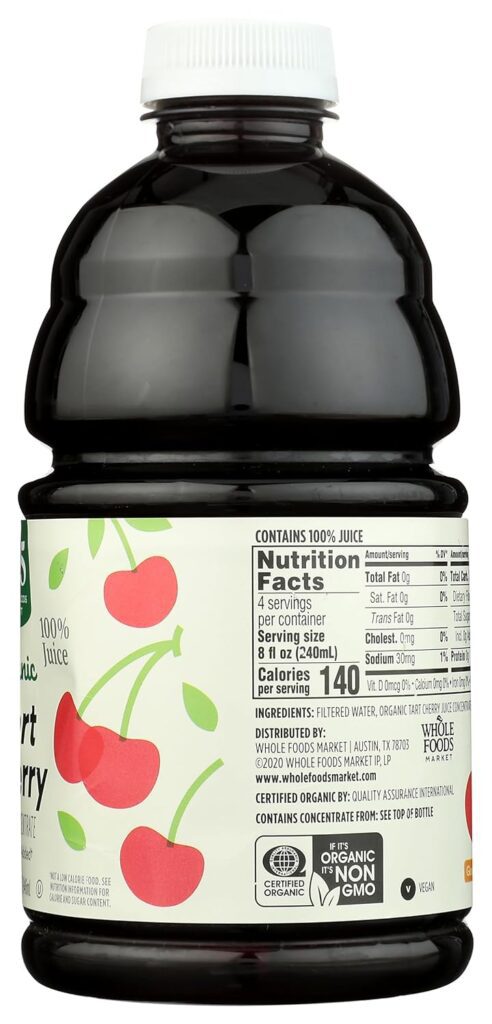
Montmorency tart cherries are naturally rich in melatonin and tryptophan, an amino acid your body uses to produce both serotonin and melatonin.
Small studies suggest drinking tart cherry juice may help increase melatonin levels, improve total sleep time, and reduce waking after sleep onset.
How to use it: Take around 240 ml of unsweetened Montmorency tart cherry juice, 30 to 60 minutes before sleep. It does contain natural sugar, which is worth noting if you’re monitoring your intake.
You can find Montmorency tart cherry juice on Amazon here.
Low-Dose Melatonin to Support Daytime Sleep After a Night Shift
Melatonin is probably already in your cabinet, and the problem is likely the dose.
High doses of 5 to 10 mg are the most common formats on store shelves, but in this study, both 0.5 mg and 3 mg improved phase shifting versus placebo, and 0.5 mg was not significantly less effective than 3 mg for shifting circadian timing.
For daytime sleep after a night shift, the goal with melatonin isn’t sedation. It’s signaling. You’re essentially telling your brain that it’s nighttime even though the light outside is saying otherwise, which makes the timing as important as the dose.
Taking it 30 to 60 minutes before you plan to sleep may work better than taking it the moment you get into bed.
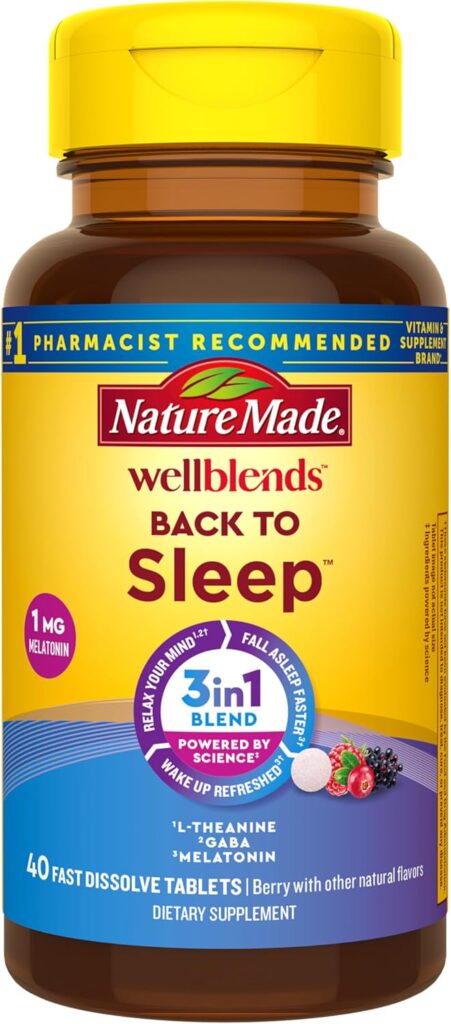
Nature Made Melatonin 1 mg is a straightforward starting point. It’s USP-verified, widely available, and at 1 mg it gives you room to find your effective dose without overshooting. One thing to keep in mind is that melatonin is not a sedative, it’s a hormone. It works best when you’re already in a dark, cool space and ready to wind down rather than expecting it to knock you out in any conditions.
Shop Nature Made Melatonin 1mg on Amazon
Who This Works Best For: Nurses, residents, and EMS workers who want a low-risk, non-habit-forming option that works with the body’s circadian clock. It can also be useful for rotating shift workers who need help resetting sleep timing more quickly when transitioning between schedules.
Magnesium Glycinate for Deeper Sleep and Restless Nights
Magnesium glycinate is a popular supplement for sleep because it’s well absorbed and gentle on the stomach, unlike magnesium oxide or citrate which can cause GI problems.
Magnesium plays a role in regulating the nervous system and GABA activity, and many shift workers find it helpful for restlessness that may set in after a long, high-stress shift.
It won’t put you to sleep the way a sedative would, and that’s actually part of why it holds up so well over time. What magnesium glycinate does is reduce physical tension and muscle restlessness, which can be just enough to help some people fall into deeper, more consolidated sleep rather than the fragmented, shallow rest that shift work so often produces.
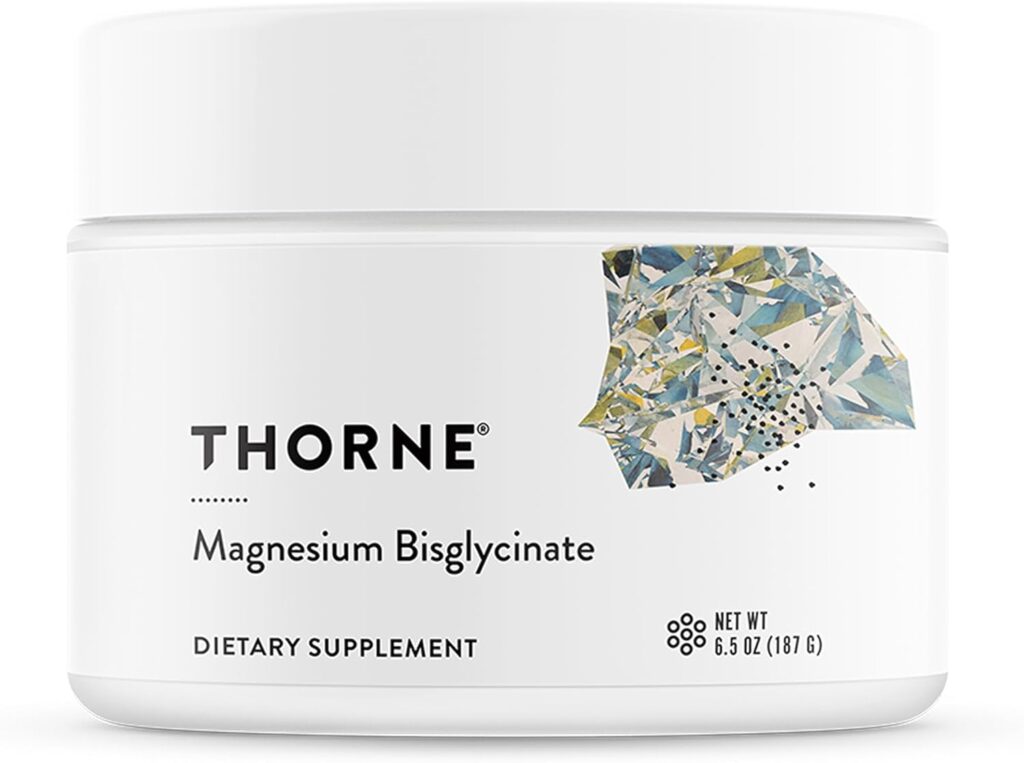
Thorne Magnesium Bisglycinate are both well-regarded options with third-party testing and clean formulations. Taking 200 to 400 mg around an hour before sleep is a common starting point, though starting on the lower end is generally recommended if you haven’t used magnesium supplements before.
Shop Thorne Magnesium Bisglycinate on Amazon
Who This Works Best For: Anyone who struggles with restless legs, physical tension after a shift, or waking after a few hours and being unable to get back to sleep. It pairs well with low-dose melatonin for people who find either one alone isn’t quite enough.
Always check in with a healthcare professional before introducing new supplements into your regimen.
Sleep Environment Essentials
Block Out the Light Completely
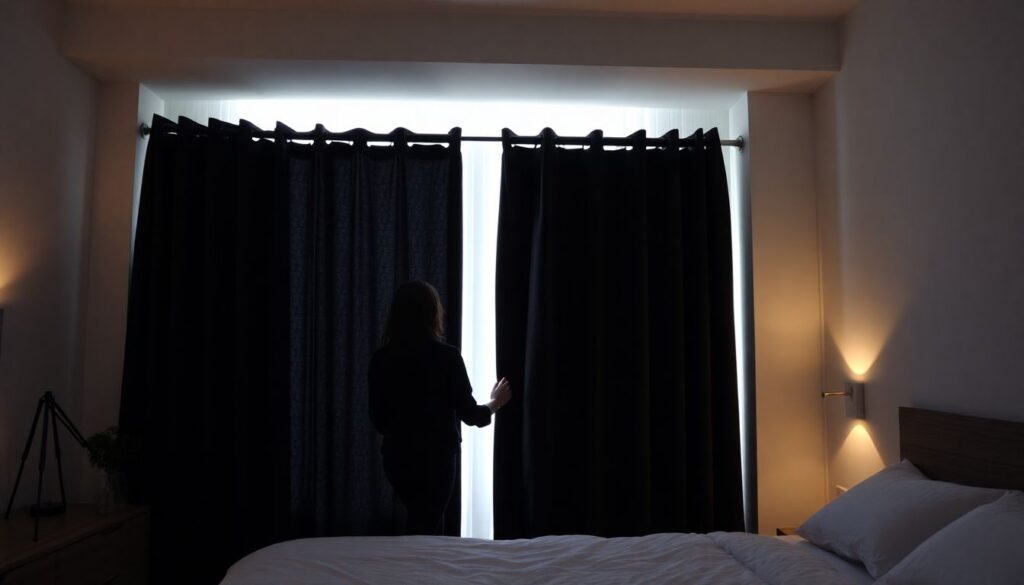
No supplement will perform well in a room that’s letting in morning sun. Even low-level light exposure during sleep can suppress melatonin production and fragment your sleep cycles, and it’s one of the most common reasons daytime sleep stays shallow no matter what else you try.
Standard curtains or blinds are usually not enough. Blackout curtains with a genuine light-blocking lining outperform anything that’s just a heavier weave.
Look for options that mount close to the wall and extend past the window frame on all sides, since gaps at the edges are where most of the light gets in.
For renters, blackout curtain liners that clip or stick inside the frame are a practical alternative that doesn’t require drilling.
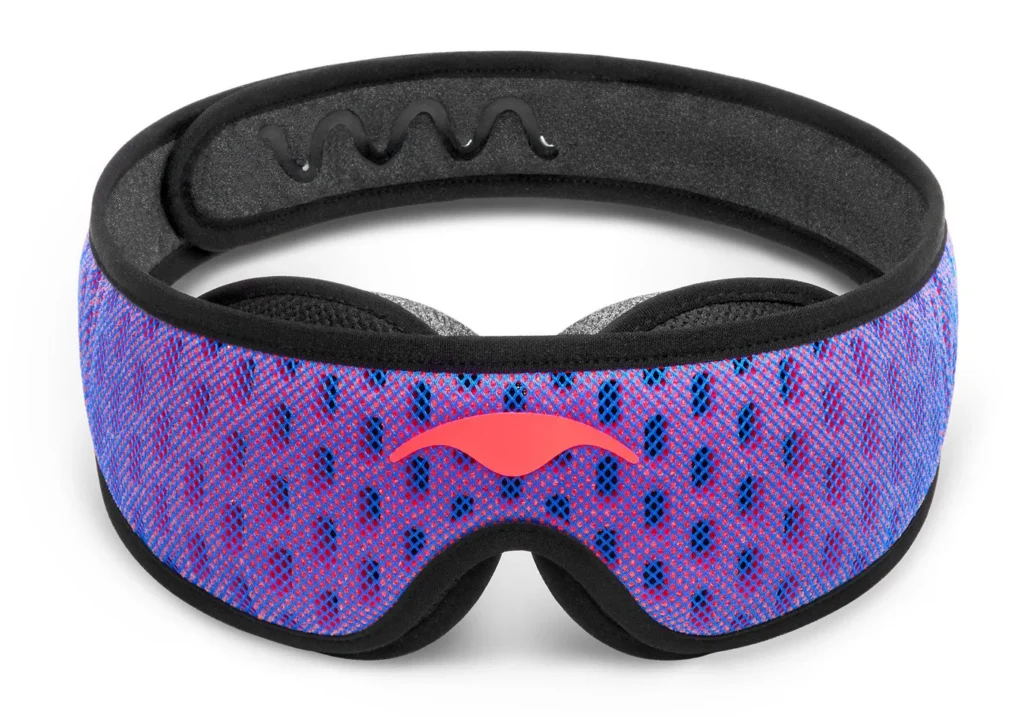
Adding a Manta Sleep Mask on top of blackout curtains is the combination many shift workers swear by.
Unlike flat fabric masks, the Manta uses adjustable molded eye cups that sit away from your eyelids, so there’s no pressure on your eyes and no light seeping in from the nose bridge or sides.
It’s particularly well-suited for side sleepers or anyone who finds traditional masks uncomfortable after an hour or two.
Who This Works Best For: Anyone sleeping in a room that isn’t fully blacked out, team truck drivers, EMS workers sleeping at the station, or anyone whose main sleep disruption seems to come from light changes mid-sleep rather than difficulty falling asleep in the first place.
White Noise to Mask What You Can’t Control
Daytime sleep comes with daytime noise. Lawnmowers, delivery trucks, dogs, kids, neighbors who have no idea you just got off a 12-hour shift. You can’t control most of it, but you can mask it effectively.
A white noise machine works by creating a consistent sound layer that your brain can tune out, which prevents the sudden noise spikes that pull you out of lighter sleep stages.
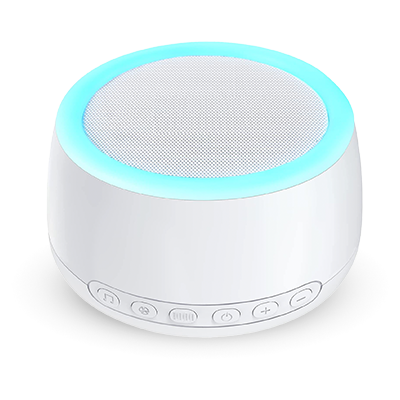
Dreamzy Serenity is a compact, USB-rechargeable white noise machine with six sound options including fan sounds, rain, and ocean waves, plus an adjustable volume control and a built-in auto-off timer that can be set to 30, 60, or 90 minutes.
Because it’s portable and runs on a rechargeable battery, it works just as well in a truck cab or at an EMS station as it does on a home nightstand.
It also includes a seven-color soft nightlight, which can be a useful addition for winding down in the transition between overhead lighting and complete darkness before sleep.
Keep Your Room Cool to Support Your Sleep Cycle
Your core body temperature needs to drop slightly for sleep to begin and deepen properly. Sleeping in a warm room during the day works directly against that process, which is why summer shifts often feel harder than winter ones.
Investing in a cooling mattress pad can help to regulate surface temperature across a full rest window without running the air conditioning on full blast all morning.
For a simpler and more affordable option, a silk pillowcase is worth trying too. Silk naturally stays cooler against the skin than cotton or polyester, and many people find it noticeably reduces that overheated, restless feeling that interrupts daytime sleep.
Light Management: Going to Sleep and Waking Up
Blue Light Blocking Glasses
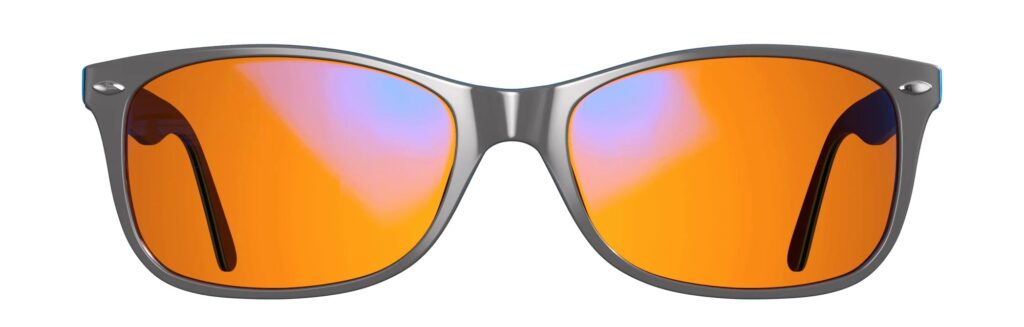
Most shift workers know that bright light after work can make it harder to fall asleep. What fewer people think about is how fast morning light on the trip home can suppress the melatonin their brain has only just started making as the shift comes to an end.
Blue light from sunlight, phone screens, and overhead lighting are the main culprits. Swanwick Sleep makes glasses designed specifically for this situation.
The Swanwick’s Classic Night Swannies block blue light wavelengths and are worth putting on in the final hour or two of a shift and keeping on for the drive home, not just when you’re already in bed trying to sleep.
The goal is to protect the melatonin build-up that’s already starting, rather than trying to recover it after morning light has already done its work.
For shift workers who need to use screens or stay in bright spaces right before sleep, Swanwick’s clear lens daytime version cuts some of the lower level blue light without the orange tint, so it is more practical when color accuracy is important.
Even so, the amber lens nighttime version is usually the better choice for anyone whose main issue is taking too long to wind down after getting home. See the full list of blue-light blocking glasses here.
Sunrise Alarm Clock
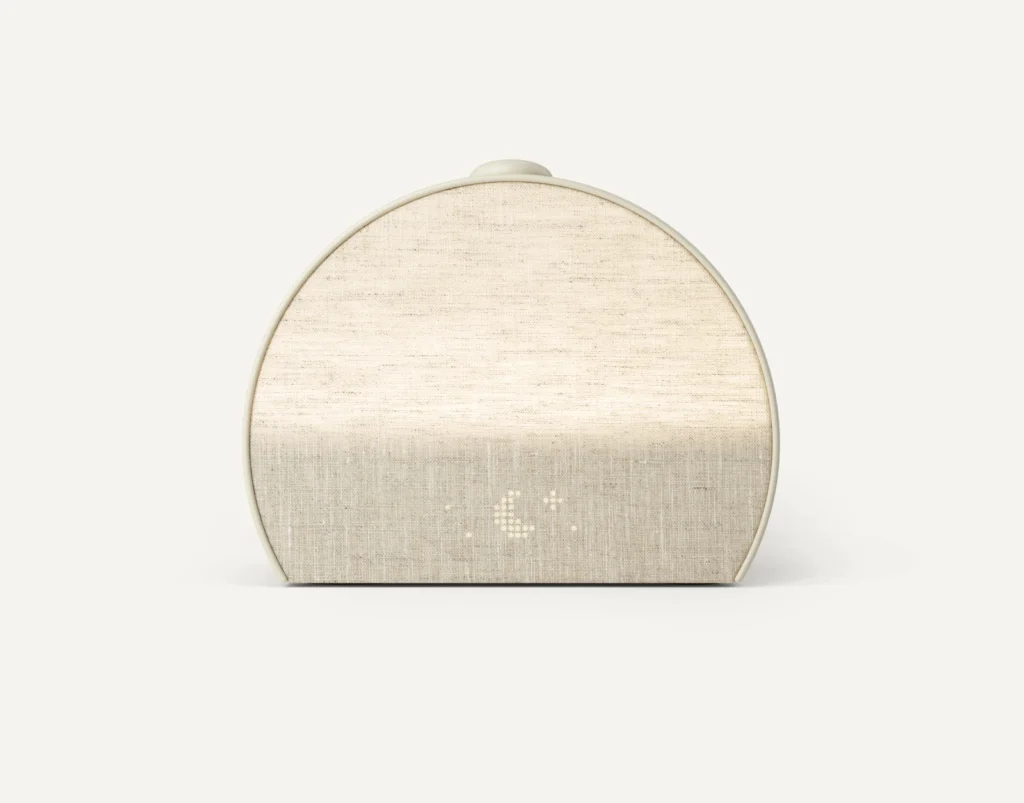
Waking up is its own challenge for shift workers, especially when an alarm goes off in the middle of what feels like deep sleep. A sudden blaring alarm spikes cortisol abruptly, which can leave you feeling disoriented and more fatigued than you would have been with a gentler transition out of sleep.
The Hatch Restore 3 is a bedside sound machine and smart wake-up light that gradually increases light intensity in the minutes before your alarm, mimicking a natural sunrise.
This gradual light exposure helps nudge your body out of sleep more gently, and many people find it leaves them feeling significantly less groggy than waking in full darkness to a loud sound. It also doubles as a white noise and sleep sound machine, so it can serve as both a wind-down aid and a wake-up tool on the same nightstand.
Because light is one of the strongest circadian cues, using a sunrise alarm consistently can also help reinforce a more stable sleep-wake rhythm over time. That’s something rotating shift workers in particular may find useful as they move between schedules.
Shop the Hatch Restore 3 Sunrise Alarm Clock
Sleep Tracking with WHOOP
Most sleep aids help you get to sleep or stay asleep. WHOOP does something different. It helps you understand what’s actually happening during your rest so you can make smarter decisions over time rather than just guessing at what’s working.
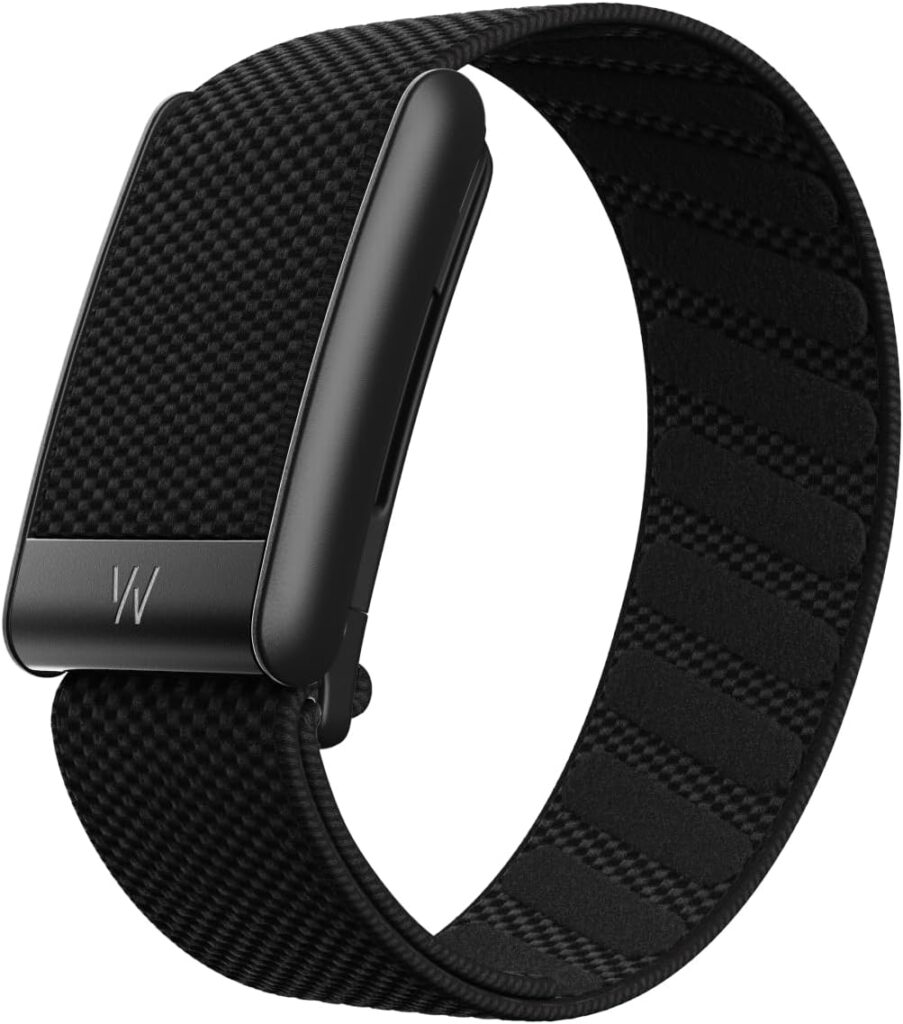
WHOOP is a wrist-worn health tracker that runs on a membership subscription basis. It tracks all four stages of sleep continuously throughout the night using heart rate, heart rate variability (HRV), and respiratory rate:
- Slow wave sleep (SWS)
- REM sleep
- Light sleep
- Awake time
From that data, it generates a daily Recovery score between 0 and 100 percent, reflecting how well your body has bounced back from the previous day’s strain and sleep.
The Sleep Planner is the feature that makes WHOOP particularly relevant for shift workers. Each night, the app recommends a personalized bedtime based on your circadian rhythm, recent sleep debt, daily strain, and the performance goal you’ve set for the following day. You choose your target:
- Peak – 100% of your sleep need
- Perform – 85% of your sleep need
- Get by – 70% of your sleep need
Instead of a jarring alarm, WHOOP wakes you using haptic alerts, gentle vibrations through the wristband, when you’ve hit your sleep goal.
For rotating shift workers, being able to see sleep stage data across weeks and months can make it much easier to identify what’s actually helping.
When you can see that your slow wave sleep improved after cutting caffeine earlier in your shift, or that your REM dropped on nights you used a sedating antihistamine, you have something concrete to act on rather than just guessing.
One thing to keep in mind is that WHOOP requires an active membership to function and has no screen on the device itself. All data is accessed through the smartphone app.
It’s a meaningful ongoing cost, but for nurses, EMS workers, and truckers who are serious about understanding their sleep around a difficult schedule, many users find the coaching data more actionable than what you’d get from a basic fitness tracker.
Who This Works Best For: Shift workers who want to move beyond trial and error and understand their sleep at a deeper level. It’s especially useful for anyone on a rotating schedule who wants to track how well they’re actually adapting, rather than guessing at it.
Sleep Aids Night Shift Workers Should Avoid or Use With Caution
- High-dose melatonin used regularly. Vivid dreams, morning grogginess, and dysphoric feelings are considerably more common at the 5 to 10 mg doses that dominate store shelves. If you’ve had a bad experience with melatonin in the past, try lowering the dose.
- Sedating antihistamines like diphenhydramine and doxylamine can work for an occasional rough night, but they build tolerance quickly, suppress restorative REM and slow-wave sleep, and typically leave a heavy, foggy feeling well into the following day. Long-term regular use carries concerns around anticholinergic effects, particularly for anyone over 50.
- Alcohol as a sleep aid. It does reduce the time it takes to fall asleep, but it significantly fragments sleep in the second half of your rest window, increases nighttime arousals, and suppresses REM sleep. The result is usually more hours in bed with less actual restorative sleep.
- Unverified blends in drug-tested roles. For anyone with CDL requirements or workplace drug screening, unknown proprietary blends carry real risk. Prioritize brands with NSF Certified for Sport or USP verification.
Building a Sleep System That Actually Works Around Shift Life
It’s important to note that there’s no single product that fixes night shift sleep. What works is combining the right environment with low-risk sleep supports used at the correct time, and being realistic about what each one can actually contribute.
Here’s a simple starting point:
| Goal | What to Use |
|---|---|
| Fall asleep faster | Low-dose melatonin (0.5–3 mg), tart cherry juice |
| Sleep deeper and longer | Magnesium glycinate, cooling mattress pad, silk pillowcase |
| Block light and noise | Blackout curtains, Manta Sleep Mask, White Noise Machine |
| Protect melatonin on the commute home | Swanwick amber-lens glasses |
| Wake up less groggy | Hatch Restore 3 sunrise alarm |
| Understand your sleep patterns | WHOOP Sleep Planner and recovery tracking |
For rotating shift workers, even adjusting your sleep window gradually by an hour or two in the days before a schedule change can help your circadian rhythm adapt faster and reduce the sleep debt that builds up over a rotation.
If daytime sleep has been severely disrupted for months despite a solid environment and good sleep hygiene, it’s worth talking to a doctor specifically about shift work sleep disorder.
It’s a recognized condition with real treatment pathways, including light therapy protocols and prescription options that a sleep medicine specialist can tailor to your specific schedule.
People Also Asked
How can a night-shift worker get the best sleep?
A night-shift worker usually gets the best sleep by protecting a consistent sleep window, aiming for 7 to 9 hours total, and making the bedroom dark, quiet, and cool. Strategic light exposure can help too: bright light during the night shift may improve alertness, while limiting morning light on the trip home can make daytime sleep easier.
How do you fix shift-work sleep disorder?
Shift-work sleep disorder is usually managed rather than “fixed” overnight, and treatment often combines schedule changes, timed bright light, light avoidance after work, and sometimes properly timed melatonin. If symptoms are persistent, a sleep specialist may also evaluate whether a wake-promoting medication such as modafinil is appropriate.
What is the best sleep aid for night shift workers?
There is no single best sleep aid for every night-shift worker because the right choice depends on whether the main problem is falling asleep, staying asleep, or severe sleepiness at work. For circadian misalignment, properly timed melatonin is commonly used, but it works best as part of a broader plan that also includes darkness, schedule consistency, and light management.
How can I improve my sleep quality as a night shift worker?
You can improve sleep quality as a night-shift worker by keeping the same sleep schedule as often as possible, using blackout curtains or an eye mask, reducing noise, and avoiding caffeine too close to bedtime.
Are there natural sleep aids for night shift workers?
Yes, there are natural sleep aids for night shift workers, but the strongest evidence is for melatonin and light-based strategies rather than a wide range of supplements. Melatonin may help when timed correctly, but taking it at the wrong time can be ineffective or shift the circadian clock in the wrong direction.
How long does it take to adjust to working night shifts?
Adjusting to night shifts can take several days to weeks, and some people never fully adapt because the circadian system does not naturally align well with sleeping in the day and working at night. Adaptation is more likely when shifts are consistent and when light, darkness, and sleep timing are managed on purpose.
Can light therapy help night shift workers?
Yes, light therapy can help night-shift workers because appropriately timed bright light can shift circadian rhythms, improve alertness during the shift, and support better daytime sleep. Timing matters, though, so many workers also need to avoid bright morning light after work to get the full benefit.
What is the healthiest sleep schedule for night shift workers?
The healthiest sleep schedule for night shift workers is usually the one that is most consistent and still allows enough total sleep, ideally 7 to 9 hours in every 24-hour period. Many people do best with one main daytime sleep block after work, and some add a short planned nap before the next shift if needed.
How do I stay awake during night shifts?
To stay awake during night shifts, bright light, a short pre-shift or on-break nap, and careful caffeine use can all improve alertness. A brief nap of about 30 minutes during a break may help, but if you are very sleepy after work, you should avoid driving until it is safe.
Is it safe to take melatonin every day for night shift work?
Melatonin appears to be safe for most people in the short term, but long-term safety is less clear, so daily use for night shift work is best discussed with a clinician if it becomes ongoing. It can also interact with medicines and may cause side effects such as drowsiness, headache, dizziness, or nausea.
What foods help night shift workers sleep better?
Foods that can help night shift workers sleep better include those rich in tryptophan (like turkey and milk), complex carbohydrates, and magnesium-rich foods like nuts and seeds. For more ideas, take a look at our full guide to sleep-friendly foods.
Health Disclaimer:
The information in this article is for general educational purposes only and is not a substitute for professional medical advice, diagnosis, or treatment. Always consult your physician or another qualified health provider regarding any questions about your sleep, medications, or a specific medical condition. Individual results may vary.

Sleep Essentials Hub is a sleep blog for readers who want helpful sleep guides and honest product recommendations. We’re passionate about better rest, with a focus on pillows and bedding, sleep aids, sleep apnea and CPAP gear, natural sleep supplements, sleep tech, and simple ways to improve your sleep environment. We’re here to help you choose products that support deeper sleep, greater comfort, and a better night’s rest without overspending.