
Blissy 100% Mulberry Silk Pillowcase Review: Is it Worth the Hype?
Blissy is probably the most recognizable silk pillowcase out there. It has thousands of reviews, shows up constantly in ads, and costs much more than most alternatives. The obvious question is whether it’s worth the money.
The clearest way to judge that is against the cheaper options, like budget Amazon silk pillowcases and polyester satin cases. Blissy uses 22 momme, Grade 6A mulberry silk, has a hidden zipper, and comes in a box that looks more like gift packaging than a basic pillowcase.
If you’re looking at Blissy because of frizz, pillow lines, or skincare that seems to end up on your pillow instead of your face, here’s what it can realistically do and whether the higher price is worth paying.
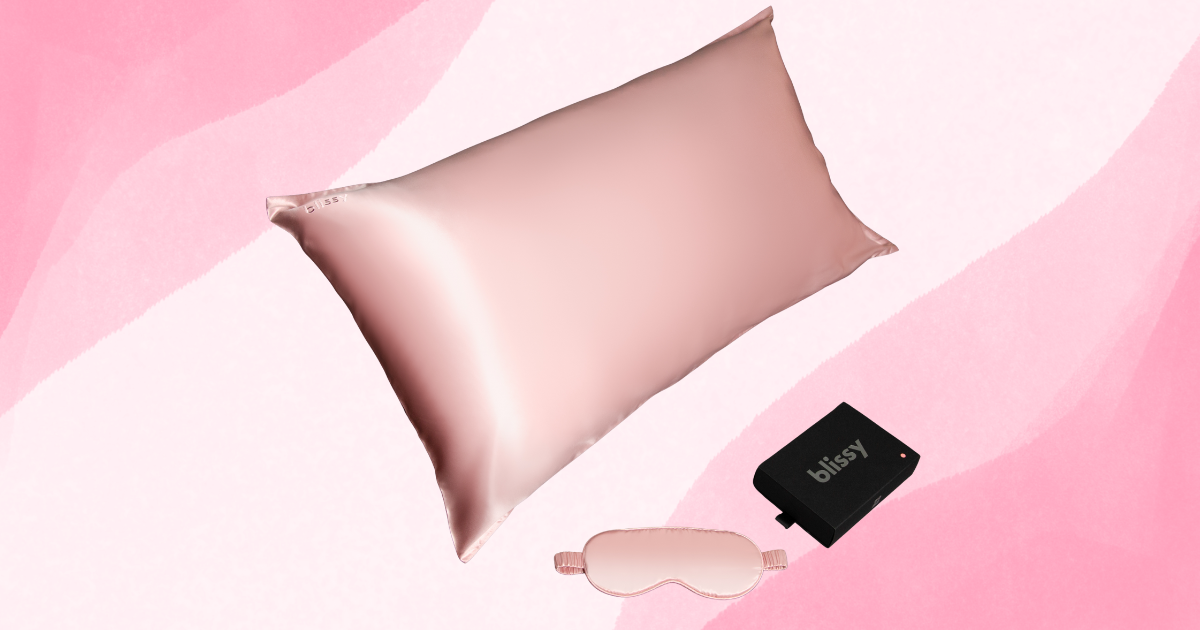
Our Verdict
Blissy 100% Mulberry Silk Pillowcase
A premium 22 momme mulberry silk pillowcase for frizz-prone hair, side sleepers and anyone moving up from polyester satin. It’s a small luxury you’ll use every single night.
- Side sleepers who wake up with pillow lines
- Curly, fine, bleached or color-treated hair
- Hot sleepers moving up from polyester satin
- Holiday and birthday gift buyers
- If you’d rather wash it hot with the rest of your bedding
- If you just want the cheapest silk pillowcase you can find
- If you use self-tanner or tinted face oil every night, since white and pale colors may show stains (darker shades hide them)
- Silk
- 22 momme, Grade 6A mulberry
- Closure
- Hidden zipper
- Sizes
- Standard, Queen, King
- Certification
- OEKO-TEX Standard 100
- Care
- Cold gentle wash, low-heat or air dry
- Where to buy
- Official Blissy site
Price and availability may change.
Disclosure: Some links on this page are affiliate links. If you purchase through them, we may earn a commission at no additional cost to you.
What is the Blissy Pillowcase?
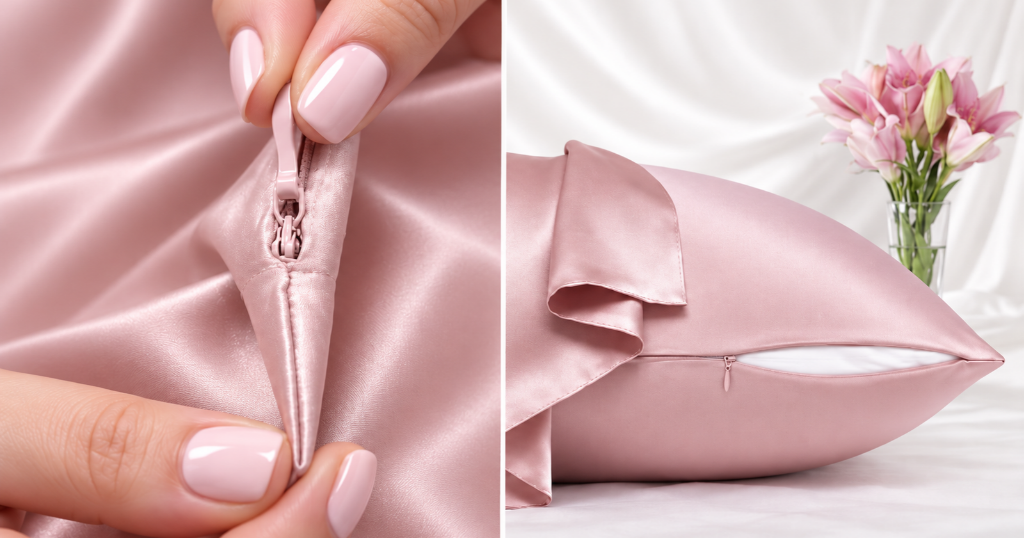
Blissy is a single pillowcase made from 100% mulberry silk, woven to a 22 momme weight and cut from Grade 6A long fibers. Mulberry silk comes from Bombyx mori silkworms fed only mulberry leaves, which produces longer, more uniform strands than wild silk.
Momme measures the weight of silk fabric. At 22 momme, Blissy uses a relatively substantial silk fabric that feels heavier and more substantial than lighter silk.
The extra weight is noticeable as soon as you pick it up. The fabric has some heft, drapes rather than floats, and has the cool, almost buttery feel that real silk is known for.
One thing worth knowing is that satin is a weave, not a fiber. Many cheap satin pillowcases on Amazon are made from polyester woven in a satin pattern. They can feel smooth, but polyester may hold more heat, create static, and lose some of its sheen after repeated washing.
Blissy uses silk fiber in a charmeuse weave rather than polyester satin. Satin describes a type of weave, while silk and polyester describe the fibers used to make the fabric.
The pillowcase is OEKO-TEX Standard 100 certified, which means the finished fabric has been tested for harmful substances. It also closes with a hidden zipper rather than an envelope flap, so the pillow stays put instead of creeping out of the case overnight.
Blissy Pillowcase Sizes and Colors
Blissy sells the pillowcase in Standard (20″ × 26″), Queen (20″ × 30″) and King (20″ × 36″). Colors run from white, ivory and champagne through blush, lavender, sage and navy to deep jewel tones.
Every case is 22 momme silk on both sides. Some cheaper “silk” pillowcases put silk on one face and cotton on the back.
The matching sleep mask, scrunchies and bonnet use the same silk, which is why the gift sets are so popular.
Blissy Pillowcase Results for Frizzy, Curly and Color-Treated Hair
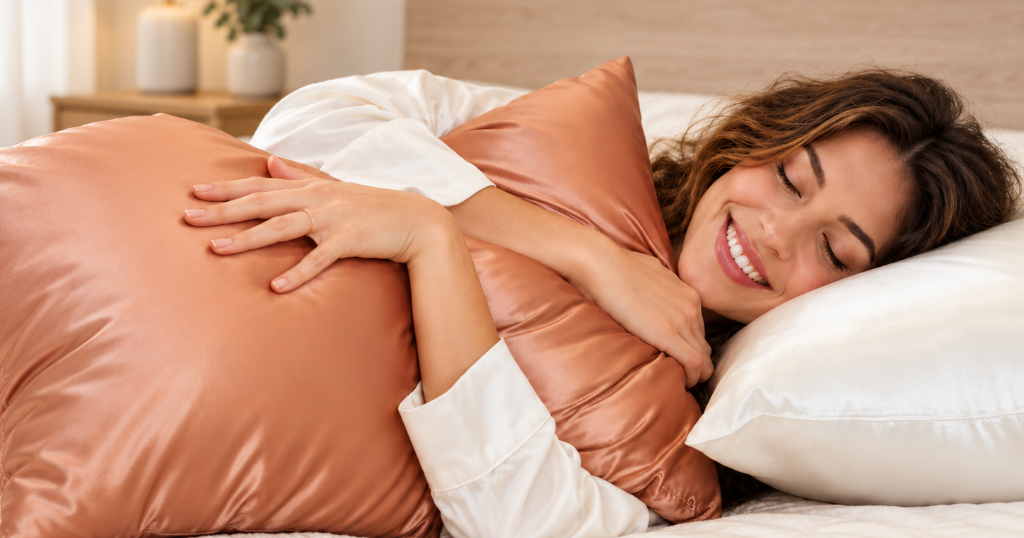
Hair is where silk makes the clearest difference. Cotton has a rough, absorbent surface under a microscope, so hair gets dragged across it every time you turn over for seven or eight hours.
That friction roughs up the hair cuticle, which is where a lot of morning frizz and static comes from. Silk gives hair a smooth surface to glide over instead.
Less Frizz and Bedhead by Morning
If you usually wake up with messy hair that needs a full brush-out, less frizz is one change you’re likely to notice. The smoother surface can create less friction overnight, which may make your hair easier to brush and style in the morning.
If you have curls or waves, silk can create less friction than cotton, which may help your curl pattern hold up better overnight and make second-day hair easier to refresh. The same can apply to a salon blowout.
Silk also builds less static than polyester. If fine hair stands up around your face by morning, that alone is a reason to make the switch.
Blissy for Bleached, Fine and Fragile Hair
If you bleach, color or chemically straighten your hair, you already know how fragile it gets. Cotton’s rougher surface creates more friction against those strands every night.
Blissy’s smooth silk lowers that friction, so there’s less snagging and pulling while you sleep. No pillowcase stops breakage or tangles completely, but a gentler surface is an easy addition to a hair care routine for fragile hair.
A pillowcase won’t make hair grow, but reducing unnecessary friction can help protect the length you already have.
👉 Wake up to less frizz. Check today’s price and colors for the Blissy silk pillowcase.
Blissy Pillowcase for Sleep Creases, Dry Skin and Sensitive Skin
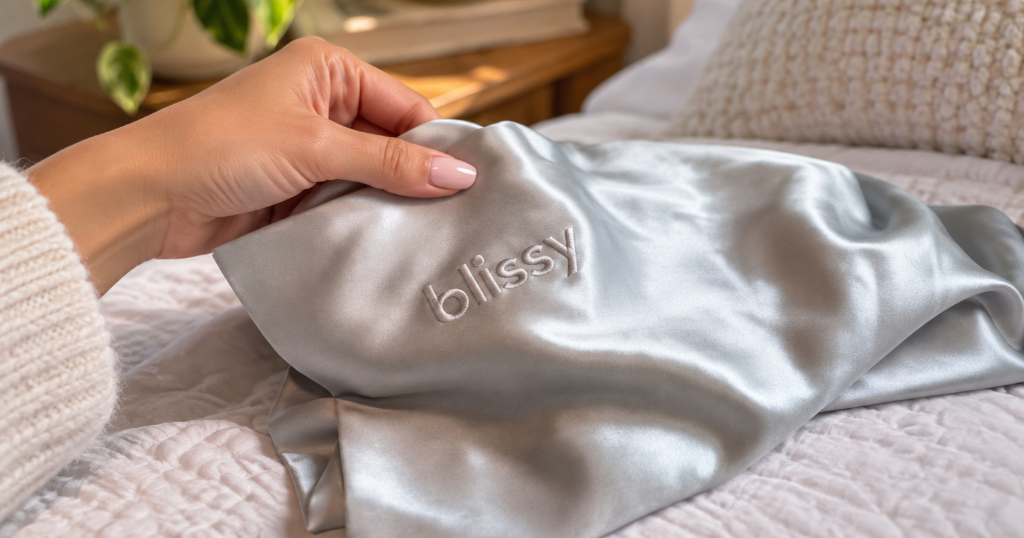
The skin benefits are more limited than the hair benefits. Silk doesn’t treat skin concerns, but it does change the surface your face rests against for roughly a third of your life.
Fewer Temporary Pillow Creases for Side Sleepers
If you sleep on your side or stomach and often wake up with lines pressed into your cheek, silk may help reduce them. Cotton can create more friction against the skin, especially when your face stays pressed into the pillow for hours.
Silk has a smoother surface, so your skin can move with less pulling around the cheeks and jawline. That may mean fewer temporary pillow marks in the morning, especially for side sleepers.
Those creases usually fade on their own, and a silk pillowcase won’t treat or prevent wrinkles. If morning pillow lines are something you notice often, switching from cotton to silk is a simple way to reduce friction while you sleep. For more on this, see our guide to pillowcases for face wrinkles.
Less of Your Night Cream Ends Up on the Pillow
If you spend money on retinol, vitamin C or a peptide cream, cotton is working against you. It’s highly absorbent and soaks up product through the night.
Silk is far less absorbent, so less of your skincare ends up on the pillowcase. It’s a small upgrade, but a sensible one if your night-time skincare routine isn’t cheap.
Blissy for Sensitive Skin
If your skin reacts to rough fabrics, silk’s smooth surface and OEKO-TEX testing make it a gentle option to sleep on.
Blissy isn’t an acne product, and no pillowcase prevents breakouts. If you have acne-prone skin, the most useful habit is changing your pillowcase often. Blissy washes on cold, so buying two and rotating them is ideal. Our guide to pillowcases for acne-prone skin covers that in more detail.
Is the Blissy Silk Pillowcase Cooling for Hot Sleepers?
Blissy isn’t an active cooling pillowcase, but silk is a breathable natural fiber that can feel comfortable against the skin. If you’re switching from polyester satin, you may notice a pleasant difference, especially if you’re a warm or clammy sleeper.
If you run very hot or wake up drenched, you could try pairing Blissy with a cooling mattress pad to improve your sleep environment.
How to Wash a Blissy Pillowcase So It Lasts for Years
Silk asks for a little more care than cotton, but it shouldn’t take too much time out of your day once you get the hang of it.
- Close the zipper fully and turn the case inside out before washing. This protects the seam and the silk around it.
- Machine wash cold on the gentle or delicate cycle, preferably inside a mesh laundry bag, using a mild, silk-safe, pH-balanced detergent. Avoid chlorine bleach and fabric softener.
- Air drying is Blissy’s preferred method. If that isn’t possible, Blissy says you can tumble dry in a mesh bag on no heat or the lowest heat setting for no more than 20 minutes.
- Wash every 7 to 10 days, and keep a second case so there’s always one on the pillow.
Two simple habits can help the pillowcase last longer. Don’t force an oversized pillow into a Standard/Queen case, since that can put extra strain on the zipper seam.
It’s also best not to leave silk soaking in water for long, as the dye can bleed.
Who Is the Blissy Silk Pillowcase Best For?
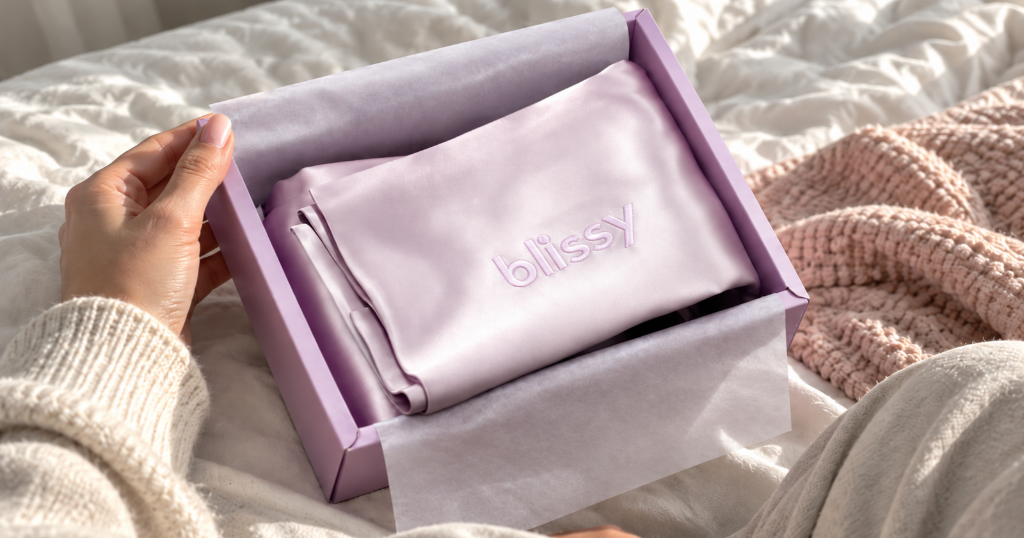
If you wake up fighting frizz every morning, the Blissy Silk Pillowcase is an easy upgrade from cotton. Its smooth silk surface creates less friction against your hair overnight, which can help reduce frizz, tangles, and the amount of brushing or restyling you need in the morning.
It’s also a strong choice for color-treated or bleached hair, curls, extensions, and regular blowouts. If you’d rather not re-style your hair every day, sleeping on a silk pillowcase can help your hair stay smoother and less disturbed overnight.
Side sleepers may like Blissy for another reason. The smooth surface creates less drag against the face, which may mean fewer temporary pillow marks in the morning. Silk also absorbs less moisture than cotton, so it won’t soak up as much of the skincare you apply before bed.
If you currently sleep on a polyester satin pillowcase, Blissy gives you a natural mulberry silk alternative. It’s a good choice if you want a smoother sleep surface without using synthetic satin.
The Blissy Silk Pillowcase also works well as a gift. It feels more special than a basic pillowcase, comes in gift-style packaging, and it’s something a loved one can use every night.
If your main goal is simply finding the cheapest silk pillowcase possible, though, Blissy may be more than you need. A budget mulberry silk pillowcase can offer many of the same basic hair and skin benefits, while Blissy puts more emphasis on the silk quality, color selection, finish, and presentation.
Where to Buy Blissy
To make sure you’re getting the genuine product, buy Blissy through the official Blissy website. Third-party marketplace sellers may not carry the genuine 22 momme mulberry silk pillowcase, and a lookalike case won’t have the same feel.
Buying direct also means Blissy’s current sale price and any bundle deals apply at checkout, which isn’t always the case with resellers.
Blissy as a Christmas Gift: Gift Sets and Packaging
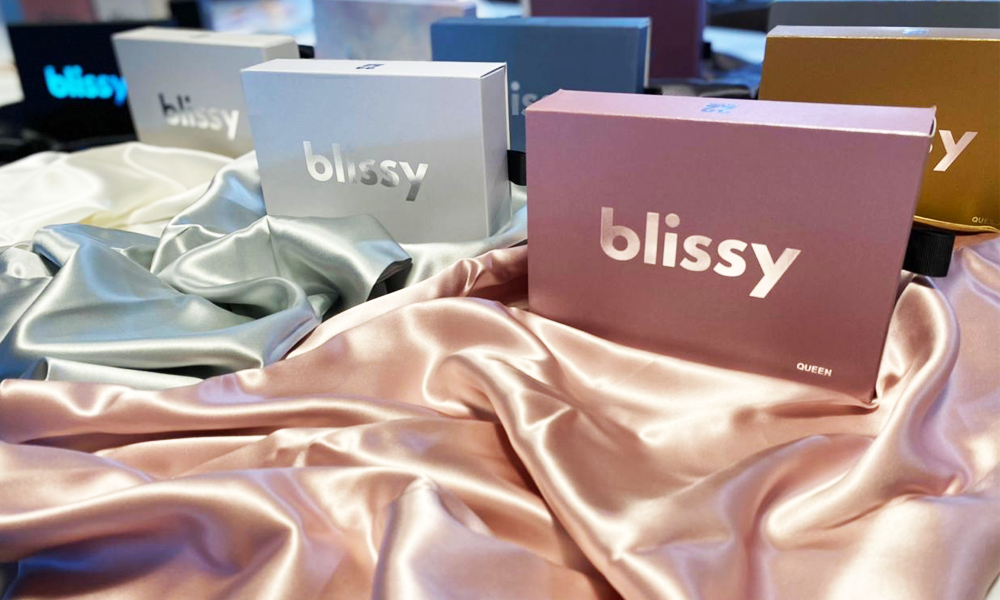
If you’re shopping for someone who probably wouldn’t buy a silk pillowcase for themselves, Blissy makes a gorgeous Christmas gift. It comes in a gift box and is available in dozens of colors, from soft neutrals to deeper jewel tones.
A Standard/Queen pillowcase fits most standard pillows, so there’s less sizing guesswork than you’d have with clothing or jewelry.
Blissy gift sets also pair a silk pillowcase with matching sleep masks or scrunchies. They can work well for moms, sisters, bridesmaids, or anyone who’d use a practical gift every night.
Frequently Asked Questions About Blissy
Is Blissy Real Silk?
Yes, Blissy pillowcases are 100% mulberry silk, woven at 22 momme from Grade 6A long fibers, with no polyester or satin blends. The finished fabric is OEKO-TEX Standard 100 certified, meaning it has been tested for harmful substances.
Is Blissy Worth It?
Blissy is worth it if frizz is your main hair complaint, you sleep on your side, or you want a premium silk pillowcase to give as a gift.
Blissy vs Slip: Which Is Better?
Blissy and Slip are both 22 momme mulberry silk and are very similar in feel. Blissy costs less, offers more colors and comes in gift packaging, which makes it the better value for some people.
How Often Does Blissy Go on Sale?
Blissy runs promotions several times a year, with possible discounts around Black Friday, Cyber Monday and Christmas. Multi-pack deals are common during those weeks.
How Do You Wash a Blissy Pillowcase?
Wash a Blissy pillowcase inside out with the zipper closed, in a mesh bag, on a cold gentle cycle with a silk-safe detergent, then air dry flat. Wash it every 7 to 10 days.
Where Is the Best Place to Buy Blissy?
The best place to buy Blissy is the official Blissy website. Third-party marketplaces may not carry the genuine product, and buying direct gives you Blissy’s current sale pricing.
Does Blissy Help With Acne?
No, Blissy isn’t an acne product and a pillowcase won’t prevent breakouts. If you have acne-prone skin, changing your pillowcase often is generally recommended.
Is Blissy a Good Gift?
Yes, Blissy is one of the easiest luxury gifts to give. It arrives in a gift box, comes in dozens of colors, and the gift sets add a matching sleep mask or scrunchies.
Related Reading
- Best Eucalyptus Silk Pillowcases
- Vegan Alternative to Silk Pillowcases
- What is the Best Brand of Silk Pillowcases
Disclaimer: The information shared in this article is intended for informational purposes only. Individual results may vary. Always consult with a dermatologist or hair care professional if you have specific skin or hair concerns.

Sleep Essentials Hub is a sleep blog for readers who want helpful sleep guides and honest product recommendations. We’re passionate about better rest, with a focus on pillows and bedding, sleep aids, sleep apnea and CPAP gear, natural sleep supplements, sleep tech, and simple ways to improve your sleep environment. We’re here to help you choose products that support deeper sleep, greater comfort, and a better night’s rest without overspending.