
5 Best Pillowcases for Acne-Prone Skin in 2026
If you struggle with acne, you probably already know that skincare products alone aren’t always enough. One hidden trigger that often gets overlooked? Your pillowcase.
Choosing the best pillowcases for acne-prone skin can make a real difference in how your skin looks and feels each morning.
In this guide, we’ll break down why your pillowcase fabric is worth paying attention to, what to look for, and the top pillowcase options that supports a clearer complexion.
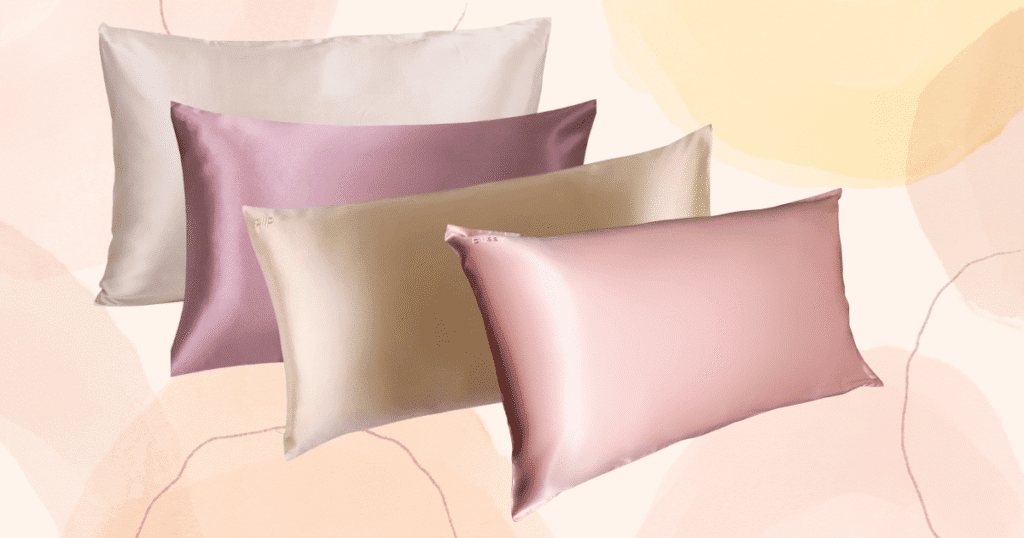
Disclosure: As an Amazon Associate we may earn a small commission on qualifying purchases at no extra cost to you.
Why Your Pillowcase Matters for Acne-Prone Skin
The fabric you rest your face on for 7-8 hours each night can impact your skin’s health. Throughout the night, your skin produces oils, sheds dead cells, and sweats. All of which accumulate on your pillowcase along with bacteria, creating conditions that may contribute to breakouts.
If you’ve ever noticed pimples clustering on one cheek or along your jawline (the side you sleep on), your pillowcase could be part of the equation. This pattern is something dermatologists refer to as “acne mechanica,” where friction and pressure from fabrics can aggravate existing breakouts.
Why upgrading your pillowcase may help:
- Fewer bacteria: Regular cotton pillowcases collect bacteria every night, which can transfer onto your face.
- Less friction: Premium materials reduce the micro-abrasions from rough fabrics that may worsen existing breakouts.
- Better temperature regulation: Specialized fabrics help prevent heat and moisture buildup that can contribute to clogged pores.
- Balanced moisture: Higher-quality materials respect your skin’s natural moisture barrier instead of stripping it like cotton can.
- Lasting results: The right pillowcase gives your skin small benefits every night that add up over time.
Choosing the right pillowcase won’t cure acne on its own, but it can be a surprisingly effective addition to your skincare routine. Let’s explore the top options to help you support clearer skin while you sleep.
Top 5 Pillowcases for Acne-Prone Skin
1. Best Overall for Acne-Prone Skin – Blissy Silk Pillowcase
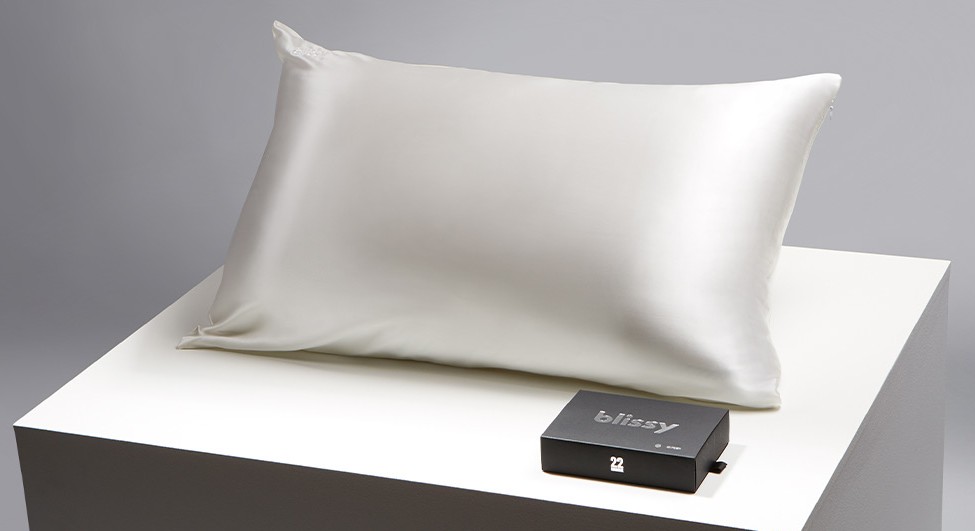
The bestselling Blissy Mulberry Silk Pillowcase is one of the most popular silk pillowcases on the market, and for good reason.
Made from 100% pure mulberry silk with a 22-momme weight and 6A grade fibers, this pillowcase provides a smooth, low-friction surface that’s gentle on sensitive and breakout-prone skin. It’s also OEKO-TEX certified, meaning it’s free from harmful chemicals.
How Blissy May Help With Acne:
- Reduces Friction: The smooth silk surface helps minimize skin irritation overnight, which may reduce the friction-triggered breakouts many side sleepers experience.
- Hypoallergenic: Naturally resistant to dust mites, mold, and common allergens that can aggravate sensitive skin.
- Breathable and Cooling: Helps regulate temperature and keeps sweat at bay, which is important if you’re prone to clogged pores.
- Moisture-Retaining: Unlike cotton, silk won’t absorb your skin’s natural oils or skincare products, helping your nighttime treatments stay where they belong.
The 22-momme fabric weight means the pillowcase is heavier, silkier, and more resistant to wear than thinner options. It’s built to hold up over time without losing its skin benefits.
Some users with persistent acne report improvements in their skin’s appearance after switching to this silk pillowcase. Others mention less skin dryness and fewer sleep creases in the morning.
Care tip: Blissy recommends hand washing or using a delicate cycle in a mesh laundry bag. With proper care, it holds up wash after wash. Many reviewers say it still looks and feels new months later.
Who it’s best for: Anyone with acne-prone skin who wants a proven, dermatologist-recommended silk option with a strong brand backing.
2. Best for Oily, Hot Sleepers – Eucalypso Eucalyptus Pillowcase
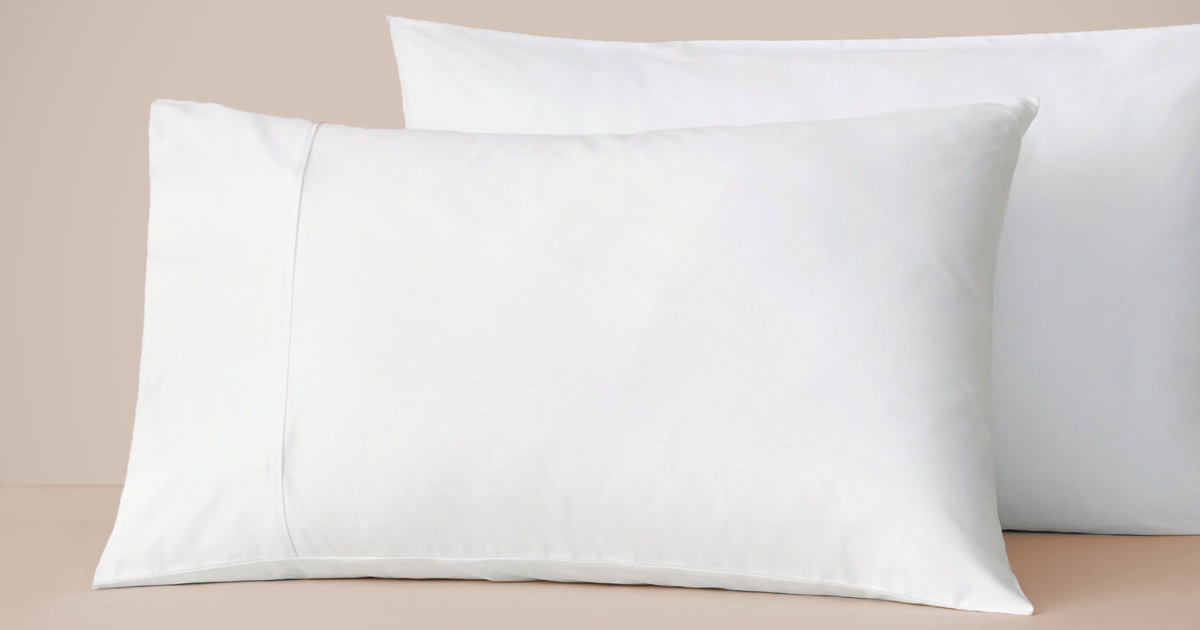
Made from 100% TENCEL™ lyocell fibers derived from eucalyptus trees, the Eucalypso pillowcase offers a unique combination of benefits for acne-prone skin.
It recently won House Beautiful’s “Softest Moisture-Wicking Sheets” award, thanks in part to the brand’s proprietary DreamWeave™ fabric treatment that creates a noticeably smooth, cool-to-the-touch surface.
How Eucalypso May Help With Acne:
- Moisture-Wicking Fibers: TENCEL™ lyocell naturally manages moisture, helping pull sweat away from your skin to reduce the buildup that can contribute to clogged pores.
- Naturally Antimicrobial: Eucalyptus fibers help inhibit bacterial growth, reducing the acne-causing microbes that accumulate on your pillowcase.
- Naturally Cooling: Eucalyptus-derived TENCEL™ fibers are more breathable than cotton, which may help reduce the heat and sweat buildup that can worsen breakouts.
- Non-Irritating Surface: Ultra-smooth fibers minimize friction against actively breaking out skin.
The Eucalypso pillowcase also scores well on sustainability. Eucalyptus trees grow quickly and need less water than cotton. The TENCEL™ lyocell fabric is produced by Lenzing using a closed-loop process that recycles the majority of water and solvents during manufacturing.
If you wake up oily or overheated most mornings, eucalyptus may be a better fit than silk for your skin. Where silk keeps oils on the surface (which is great for keeping skin hydrated), eucalyptus actively wicks moisture away.
Who it’s best for: Hot sleepers with oily, acne-prone skin who prefer a plant-based alternative with excellent moisture management. Also a strong pick for anyone who found silk too warm or oil-retentive.
3. Best for Sensitive, Reactive Skin – Ettitude CleanBamboo® Pillowcase Set
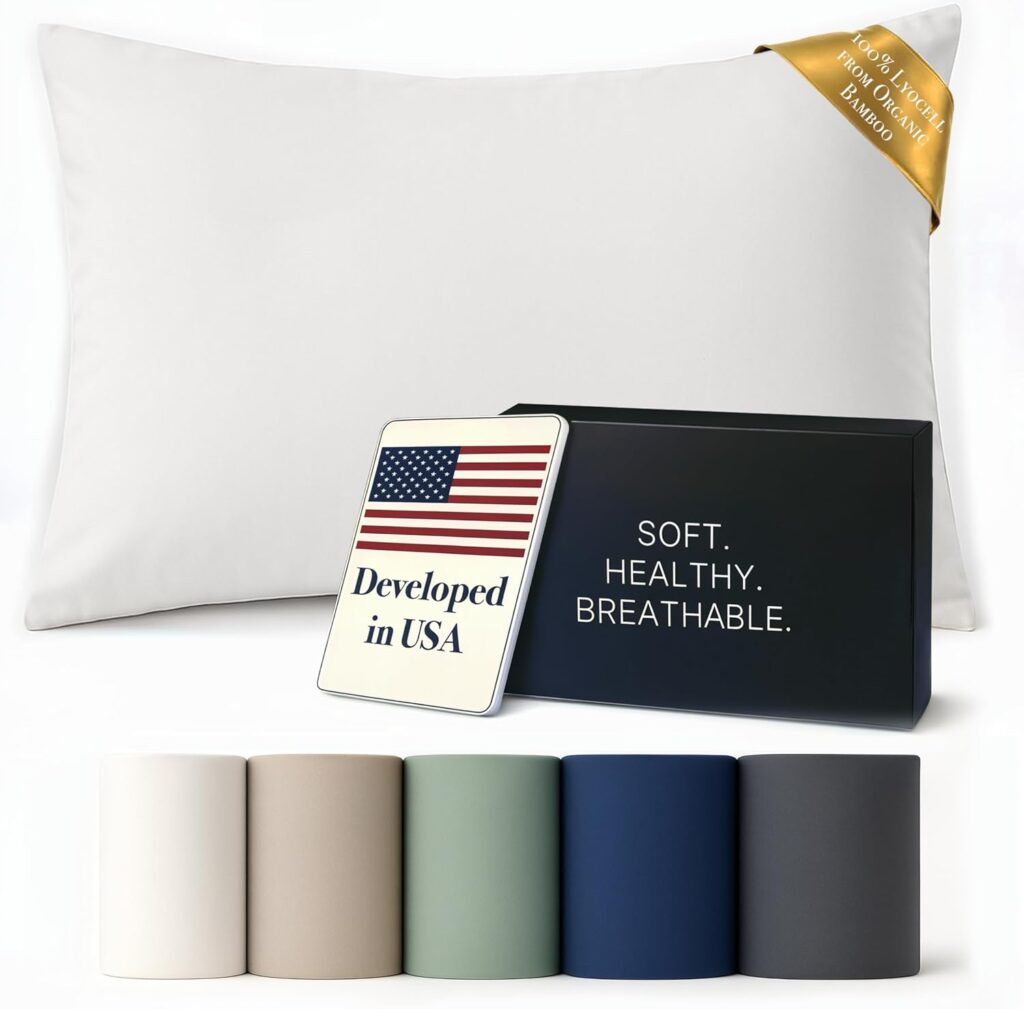
If you’ve spent time in acne forums or skincare communities, you’ve probably noticed bamboo pillowcases being mentioned. The Ettitude Pillowcase Set is made from 100% organic bamboo lyocell using their patented CleanBamboo® process.
Bamboo has become one of the most talked-about pillowcase materials in skincare communities, especially among people dealing with breakouts on their cheeks and jawline. Bamboo lyocell is naturally hypoallergenic and moisture-wicking, and it’s easier to care for than silk, which makes it simple to wash frequently.
How Ettitude May Help With Acne:
- Naturally Antibacterial: Bamboo lyocell fibers resist bacterial growth without chemical treatments, helping keep your sleep surface cleaner between washes.
- Excellent Moisture-Wicking: Pulls sweat and oil away from your skin rather than trapping it, which may help prevent overnight pore congestion.
- Cooling and Breathable: The sateen weave adjusts to your body temperature, making it a strong pick for those who overheat at night.
- Ultra-Gentle Surface: Smooth enough to reduce friction on inflamed or sensitive skin, without the maintenance demands of silk.
Most bamboo bedding on the market is bamboo viscose (also called rayon), which uses harsh chemicals during production. Ettitude’s CleanBamboo® is different. It uses non-toxic solvents in a closed-loop system. The result is a softer, more durable fabric that’s also OEKO-TEX Standard 100 certified.
Bonus: The set comes with two pillowcases, which makes it easier to rotate between washes. It’s also machine washable on a gentle cycle with no special detergent required.
Who it’s best for: Sensitive, reactive, and allergy-prone skin types. Also a strong option if you’ve tried silk and found it didn’t help your breakouts, since bamboo manages moisture differently.
4. Best Budget Silk Option – ZIMASILK 25 Momme Silk Pillowcase
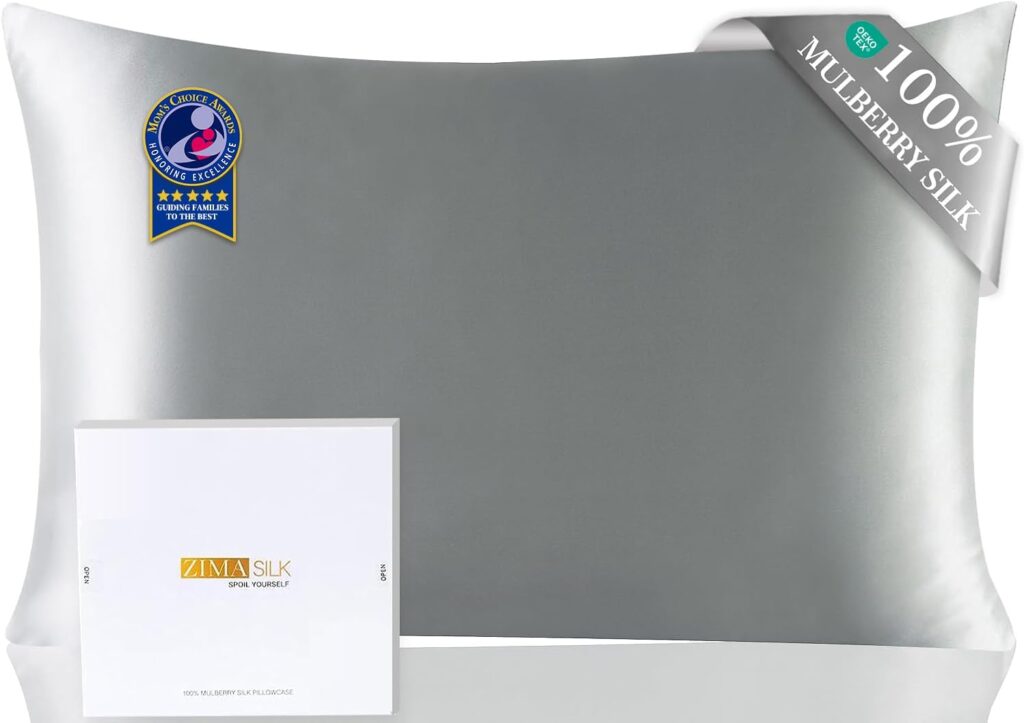
The ZIMASILK 25 Momme Silk Pillowcase offers solid acne-fighting benefits at a more accessible price point. Made from 100% 6A grade mulberry silk with a substantial 25-momme weight, this pillowcase provides reliable protection against common acne triggers without the premium brand price tag.
How ZIMASILK May Help With Acne:
- Higher Silk Density: 25-momme silk creates a denser, smoother barrier than standard 19-momme options, which may help reduce bacterial transfer.
- Contains Amino Acids: Silk naturally contains 18 kinds of amino acids that may support skin cell metabolism and help with recovery from breakouts.
- Reduced Irritation: The smooth surface helps prevent the friction that can aggravate inflammatory acne.
- Better Treatment Retention: Helps keep your acne medications on your skin rather than absorbing them the way cotton pillowcases do.
The quality YKK zipper ensures the pillowcase stays in place, maintaining consistent contact between the silk surface and your skin throughout the night.
Who it’s best for: Those who want silk benefits for acne prevention without paying top dollar. At 25-momme, you’re getting a denser silk than most premium brands offer at 22-momme.
5. Highest Density Silk – Fishers Finery Pure Mulberry Silk Pillowcase
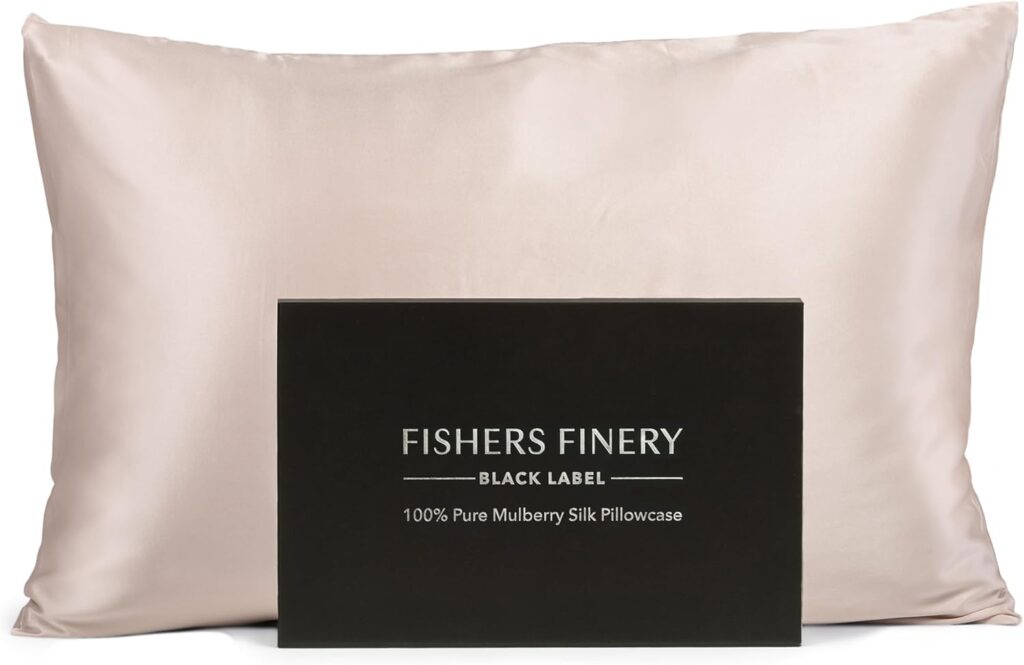
The Fishers Finery 30mm Silk Pillowcase offers the highest density silk on our list with a substantial 30-momme weight. If your acne is severe, painful, or cystic, the extra density creates an exceptionally gentle sleeping surface.
How Fishers Finery May Help With Acne:
- Superior Friction Defense: The ultra-dense 30-momme silk creates one of the smoothest surfaces available, which may minimize the micro-irritations that can lead to breakouts.
- Moisture Retention: High-quality silk helps maintain your skin’s natural hydration balance, which may prevent the dryness that triggers excess oil production.
- Temperature Control: Regulates sleep temperature to help prevent sweat-induced breakouts.
- Protective Envelope Design: The secure flap closure keeps the pillow in place without zippers that can scratch the skin or harbor bacteria.
Best For: Those with acne and/or sensitive skin who want maximum density protection without potential irritation from zipper closures.
How to Choose the Right Pillowcase Based on Your Acne Type
Different acne types may respond better to specific pillowcase materials. Understanding your particular skin concerns can help you pick the best option for you.
For Bacterial Acne
Best Materials: Antimicrobial fabrics like silk, bamboo lyocell, and eucalyptus lyocell.
Why: Naturally antimicrobial materials help reduce the bacteria that accumulate on pillowcases night after night. Bamboo and eucalyptus lyocell both resist bacterial growth without chemical treatments, while silk has inherent hypoallergenic properties.
For Inflammatory Acne
Best Materials: Ultra-smooth, low-friction fabrics with high density.
Why: The less friction against active breakouts, the less likely they are to become more irritated during sleep. Higher density fabrics (measured in momme for silk or GSM for bamboo) provide the smoothest possible surface.
For Hormonal Acne
Best Materials: Temperature-regulating, non-absorbent fabrics.
Why: Both high-quality silk and plant-based fabrics regulate temperature effectively. This helps prevent the heat buildup that can trigger excess oil production during hormonal fluctuations, supporting management of cyclical breakouts.
For Cystic Acne
Best Materials: High-density, ultra-smooth fabrics.
Why: Denser silk options (25-30 momme) and soft bamboo lyocell create the gentlest possible surface for painful cystic acne. The smoother the surface, the less irritation to deep, sensitive breakouts.
For Oily, Acne-Prone Skin
Best Materials: Moisture-wicking, breathable fabrics
Why: Eucalyptus and bamboo lyocell excel at actively wicking away moisture and oil from the skin surface. For very oily skin, these plant-based materials may help prevent the oil buildup that leads to clogged pores and breakouts.
Best Practices for Anti-Acne Pillowcases: Care & Maintenance
- Wash every 2-3 days to prevent acne-causing bacteria buildup, even with antimicrobial fabrics.
- Use gentle, fragrance-free detergent. Scented detergents and fabric softeners can leave residues that irritate skin and trigger breakouts. Fragrance-free options like Tide Free & Gentle are a popular choice in skincare communities.
- Skip the fabric softener and dryer sheets. The residue they leave behind can clog pores and cause contact irritation.
- Follow washing instructions exactly. Improper washing can reduce the effectiveness of specialized fabrics. Silk generally needs gentle cycle or hand wash; bamboo and eucalyptus are more forgiving.
- Keep multiple pillowcases in rotation. Having 3-4 on hand ensures you always have a clean one ready without doing laundry every other day.
Incorporating Your Pillowcase into Your Acne-Fighting Routine
While a good pillowcase can be a valuable part of your fight against acne, it works best alongside a consistent skincare routine. Here are some tips to maximize the benefits:
- Cleanse your face before bed. Always remove makeup and cleanse your face before sleeping to minimize the transfer of oils and bacteria to your pillowcase.
- Apply treatments before bed. Night is an ideal time to apply acne treatments, as they can work uninterrupted while you sleep. Non-absorbent fabrics like silk and bamboo help keep those treatments on your skin rather than soaking into your pillowcase.
- Keep your hair off your face. If you have long hair, consider tying it back to prevent oils and styling products from transferring to your pillowcase and face. This is especially relevant if you use heavier products like butters, oils, or leave-in conditioners.
- Change positions when you can. Try to avoid sleeping with the same part of your face pressed into the pillow all night. Changing positions helps prevent prolonged contact between your skin and any residue on the pillowcase.
- Stay hydrated. Drinking plenty of water helps keep your skin hydrated from the inside out, supporting your skin’s natural barrier function.
When to See a Dermatologist
While the right pillowcase and lifestyle changes can help improve acne for many people, sometimes professional help is needed. Consider seeing a dermatologist if:
- Your acne is severe or cystic
- Over-the-counter treatments aren’t effective after several weeks
- Your acne is causing scarring
- Your acne is impacting your self-esteem or quality of life
A dermatologist can provide prescription treatments and personalized advice to help manage your acne effectively. A good pillowcase supports their recommendations; it doesn’t replace them.
The Bottom Line: Choosing the Right Pillowcase for Your Skin
Selecting the right pillowcase is an important step in managing acne-prone skin. Whether you opt for silk, bamboo, or eucalyptus, the key is to choose a pillowcase that’s gentle on your skin, naturally resistant to bacteria, and easy to keep clean.
Regardless of which pillowcase you choose, it’s important to change and wash it regularly to maintain a clean sleeping surface. Combine a good pillowcase with a consistent skincare routine and healthy habits, and you’re giving your skin the best chance at a clearer morning.
Sweet dreams and here’s to waking up with better skin!
FAQ: Anti-Acne Pillowcases – Your Questions Answered
What kind of pillow is best for acne-prone skin?
Silk, bamboo lyocell, and eucalyptus (TENCEL™) lyocell are the top three materials for acne-prone skin. Silk with 22-30 momme count offers the lowest friction. Bamboo lyocell is naturally antibacterial and moisture-wicking. Eucalyptus lyocell provides the best cooling and oil control. All three are significantly better than cotton or polyester for breakout-prone skin.
Do silk pillowcases really prevent acne?
Silk pillowcases can help reduce factors that contribute to acne, including friction-induced irritation and bacterial growth. They help keep skincare products on your face rather than absorbing them like cotton. While not a complete cure, many dermatologists recommend them as part of a comprehensive acne management strategy.
What is the downside of silk pillowcase?
The primary drawbacks of silk pillowcases include their higher cost ($25-$100+) and more demanding care requirements.
How often should you change your pillowcase if you have acne?
Ideally every 2-3 nights, with more frequent changes for active breakouts. Buying 3-4 pillowcases and rotating them throughout the week is the most practical approach. Flip to the clean side after the first night to get two uses before switching.
Related Reading
- Best Silk Pillowcase for Hair Breakage
- Best Eucalyptus Silk Pillowcases
- Best Pillowcase for Acne-Prone Skin
- Vegan Alternative to Silk Pillowcases
- What is the Best Brand of Silk Pillowcases
- Blissy 100% Mulberry Silk Pillowcase Review
Disclaimer: The information in this article is for educational purposes only and is not a substitute for professional medical advice, diagnosis, or treatment. Pillowcase choices may support your skincare routine, but they are not a treatment or cure for acne. If you have persistent or severe acne, please consult a board-certified dermatologist for personalized guidance. Individual results will vary.

Sleep Essentials Hub is a sleep blog for readers who want helpful sleep guides and honest product recommendations. We’re passionate about better rest, with a focus on pillows and bedding, sleep aids, sleep apnea and CPAP gear, natural sleep supplements, sleep tech, and simple ways to improve your sleep environment. We’re here to help you choose products that support deeper sleep, greater comfort, and a better night’s rest without overspending.