
Best Silk Pillowcase for Hair Breakage: Our Pick for Fine, Curly, Long and Bleached Hair
If your hair grows at the roots but never seems to get much past your shoulders, breakage may be part of the reason. Fragile ends can snap over time, especially when hair is already bleached, dry, or prone to tangling.
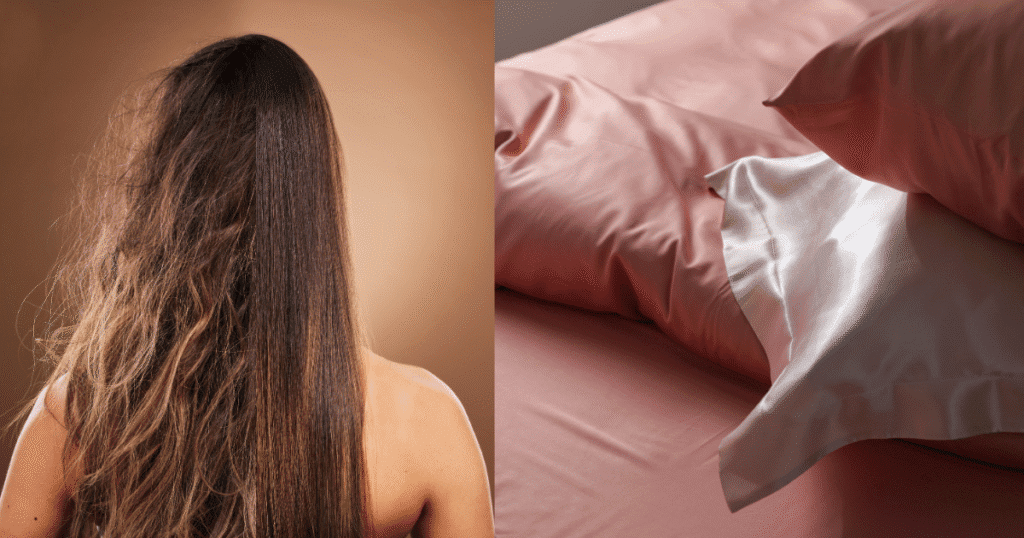
A silk pillowcase won’t repair damaged ends or make hair grow faster. What it does offer is a smoother sleep surface with less friction than rougher fabrics, so fragile hair has less rubbing against the pillow overnight. If you don’t like sleeping in a bonnet, switching your pillowcase is an easy way to make your sleep surface gentler on your hair.
Below is the silk pillowcase we recommend for fragile hair, plus how to get the most from it for your hair type.
Disclosure: The products featured in this article are handpicked by the editor and contain affiliate links. As an Amazon Associate we may earn a commission on qualifying purchases at no extra cost to you.
Quick answer: Our top pick is the Blissy Silk Pillowcase, a 22 momme mulberry silk case with a hidden zipper. It gives hair a smoother surface than cotton to sleep on, and less frizz by morning.
It suits fine, wavy, curly and color-treated hair, and it pairs well with a bonnet or loose braid for long or coily hair.
Our Top Recommendation: Blissy 22 Momme Mulberry Silk Pillowcase

Blissy uses 22 momme, Grade 6A mulberry silk, giving it a smooth, substantial surface with less friction than cotton. That matters most for hair that frizzes easily, since there’s less rubbing against the pillow as you move during the night.
Less frizz is the strongest hair benefit to look for. The hidden zipper keeps the pillowcase in place and keeps the closure away from your hair while you sleep.
Blissy can be machine washed on a cold delicate cycle and tumble dried on low for up to 20 minutes. If you use hair oil or leave-in conditioner at night, a darker shade can help hide marks between washes.
- Best for: Fine, wavy, or color-treated hair that frizzes easily, plus anyone who prefers sleeping with their hair loose.
- Skip if: You want the lowest-cost silk pillowcase.
Silk Pillowcase Benefits for Every Hair Type
The right silk pillowcase depends on how your hair behaves overnight. Fine hair needs a smooth surface without extra drag, while curls and color-treated hair may benefit most from reducing friction while you sleep.
Here’s what to look for based on your hair type.
Silk Pillowcase for Fine Hair
Fine hair twists, catches and snaps easily, often around the face and at the back of the head. Tight buns and scrunchies leave dents and add tension, and bonnets can flatten it.
A smooth zippered case like Blissy lets fine hair sleep loose without a tight style. It also builds less static than polyester satin, which fine hair is quick to show.
Silk Pillowcase for Curly Hair and Coily Hair
Type 3 and 4 hair frizzes and loses definition when it rubs against cotton all night, and fairy knots add to the detangling. A silk pillowcase reduces that friction, so curls are easier to refresh in the morning.
A bonnet or scarf keeps curls more contained than a pillowcase on its own. Many people use both, with the silk pillowcase there for nights the bonnet slips off.
If a tight bonnet band rubs around your edges, sleeping directly on a smooth silk pillowcase removes the band while still giving your hair a lower-friction surface overnight.
Silk Pillowcase for Long Hair
Long hair has the oldest, most fragile ends, and it gets caught under your body or your partner. A silk pillowcase gives the lengths a smoother surface, and a loose braid or long bonnet keeps them from getting trapped.
Best Pillowcase for Bleached and Damaged Hair
Bleach, color, and heat can leave hair more fragile, and no pillowcase can reverse that damage. A smooth silk surface can, however, reduce friction against weakened strands while you sleep.
It works best as part of a gentler hair routine alongside lower heat, careful detangling, and treatments such as Olaplex or K18. The goal is simple: give damaged hair a smoother surface overnight while you focus on preventing more stress during the day.
Silk Pillowcase for Dry Hair
If hair feels rough and dry by morning, cotton’s absorbent, coarser weave may be part of it. Silk is smoother and less absorbent, so hair doesn’t drag across a rough surface all night and less of your leave-in or hair oil soaks into the pillowcase.
How to Use a Silk Pillowcase for Your Hair Type
| Hair type | Pair your silk pillowcase with | Why |
|---|---|---|
| Fine or thin | Hair worn loose | No dents or tension from ties |
| Curly or wavy | Pineapple or loose top knot | Less to refresh in the morning |
| Coily or natural | Bonnet or scarf | Pillowcase backs up a bonnet that slips off |
| Long | Loose braid or long bonnet | Keeps ends out from under you |
| Bleached or color-treated | A darker pillowcase color | Hides bond treatments, masks and oils |
| Dry | Leave-in applied an hour before bed | Less product ends up on the pillowcase |
How to Choose a Silk Pillowcase for Hair
The best silk pillowcase for hair should give strands a smooth surface without making care a hassle. Pay extra attention to the silk weight and how securely the case stays on the pillow, since both affect how it performs night after night.
Real Silk on Both Sides
Look for 100% mulberry silk on both sides of the case, not silk on one face and polyester on the back. Listings that only say “silky” or “satin” are almost always polyester. Our guide to the best silk pillowcase brands compares fiber, momme and closure across 10 brands.
22 or 25 Momme for Hair
Momme measures silk weight. 22 momme is the sweet spot for glide, while 25 momme feels thicker and holds up better to frequent washing. A higher number doesn’t mean less breakage, so choose by feel and durability. Our guide to mulberry silk pillowcase benefits explains how silk compares with cotton.
Zipper or Envelope
A hidden zipper keeps the pillowcase securely in place, which can help if you move around a lot at night. An envelope closure skips the hardware entirely, so there’s nothing near your hair and one less part that can wear out in the wash.
Both can work well. Blissy uses a hidden zipper, while other brands may rely on a deep envelope closure.
Best Washable Silk Pillowcase Features
If you use hair oils, leave-ins or overnight masks, you’ll wash your pillowcase often. Look for a case labeled machine washable, a mesh laundry bag, and a mid or dark color that hides product marks. Buying two means one is always ready.
Does a Silk Pillowcase Help Hair Breakage?
A silk pillowcase gives hair a smoother, lower-friction surface overnight, but it shouldn’t be treated as a fix for hair breakage. Damage from bleach, heat, tight styles, or rough detangling still needs to be addressed elsewhere in your routine.
What It Can Do
Cotton has a rougher, more absorbent surface, so hair catches and drags every time you turn over. That friction roughs up the cuticle and creates knots, and knots mean more force when you brush them out in the morning.
A smooth silk surface lowers that friction. The changes people notice first are less frizz, fewer morning knots and easier brushing. Over weeks, less tangling and gentler detangling may mean fewer broken pieces, especially for fragile hair.
What It Can’t Do
A pillowcase can’t repair split ends, reverse bleach or heat damage, or grow hair. Bleaching, hot tools, tight hairstyles and rough brushing usually do far more damage than bedding, so those are worth tackling first.
Breakage vs Shedding
Short pieces snapped off mid-strand are breakage. A full-length hair with a small white bulb at the root is shedding, which is a normal part of the hair growth cycle.
Postpartum shedding, stress-related shedding, and thinning usually start at the follicle, so a pillowcase won’t address the cause. If shedding is heavy or your part is getting wider, it’s worth speaking with a doctor or dermatologist.
A silk pillowcase can still give fragile hair a smoother, lower-friction surface while you work out what’s behind the shedding.
Silk vs Satin for Hair Breakage
Satin is a weave, not a fiber, and most satin pillowcases are polyester. A good satin case gives hair much of the same smooth, low-friction surface, and there’s no strong evidence that silk prevents more breakage than quality satin.
Silk earns its higher price in other ways. It’s a natural fiber that feels cooler and builds less static, which fine hair and hot sleepers notice most. Satin is cheaper, easier to wash and simple to buy in bulk.
If budget comes first, a quality satin case is a reasonable start. If satin feels too hot, too staticky or too synthetic, 22 momme mulberry silk is the upgrade. If you’d rather skip silk altogether, there are vegan alternatives to silk pillowcases and breathable eucalyptus silk pillowcases worth a look.
Bonnet vs Silk Pillowcase for Hair Breakage
A bonnet keeps hair contained overnight, while a silk pillowcase gives it a smoother surface to rest against. Which one works better depends on how you sleep and how much hair movement you want to control.
| Situation | Better choice | Why |
|---|---|---|
| Type 3 and 4 curls, braids or extensions | Bonnet | Keeps lengths and curl clumps together |
| Very long hair that gets trapped | Bonnet or loose braid | Keeps ends out from under you |
| Fine or straight hair | Pillowcase | No flattening or dents |
| Sensitive edges or hairline | Pillowcase | No elastic band on your temples |
| Hot sleepers or bonnet-haters | Pillowcase | Nothing to wear on your head |
| Restless sleepers | Both | The pillowcase backs up a bonnet that slips off |
For a closer comparison, our silk sleeping cap vs silk pillowcase guide explains which option may suit your hair and sleep habits better.
How to Wash a Silk Pillowcase So It Stays Smooth
Proper care can help keep a Mulberry silk pillowcase soft, smooth, and hair-friendly for years. A few simple habits make all the difference in longevity.
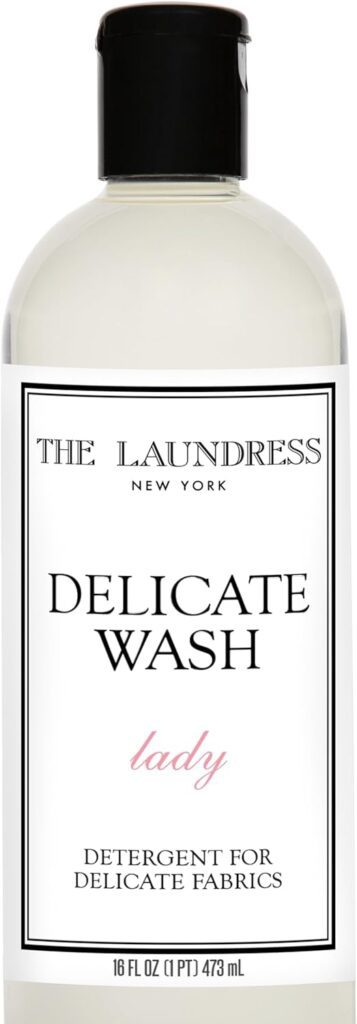
- Choose a Gentle, Silk-Safe Detergent. A pH-balanced wash like the Laundress Delicate Wash cleans without stripping silk’s sheen. Avoid enzymes and bleach.
- Wash cold on a delicate cycle. Zip the case closed, turn it inside out and put it in a mesh bag.
- Add a splash of white vinegar to the rinse. It helps clear detergent residue.
- Skip fabric softener. It coats the fibers and dulls the surface.
- Skip Fabric Softeners
Softeners coat silk fibers with a waxy buildup that reduces the natural smoothness your hair benefits from. Silk is already naturally soft, so softener is unnecessary and counterproductive. - Air dry or use the lowest heat. Dry flat away from direct sun, or tumble on the lowest setting for a short time if the brand allows it.
Wash it weekly, or more often if you use hair oils or heavy leave-ins. Hair and skincare oils both transfer to silk, which our guide to pillowcases for acne-prone skin covers in more detail.
Our Verdict: The Best Silk Pillowcase for Hair
Morning frizz, rough ends, and hair that looks more mussed after sleep can make styling harder than it needs to be. A smoother pillowcase changes the surface your hair rests against for hours each night.
A mulberry silk surface creates less friction than cotton, so hair can move more freely across the pillow as you sleep. That smoother contact may help reduce frizz by morning without asking you to change your hairstyle or sleep in a bonnet.
That’s where Blissy’s 22 momme mulberry silk pillowcase comes in. It uses smooth mulberry silk with a hidden zipper that keeps the case securely on the pillow overnight.
Silk won’t repair damaged hair, stop shedding, or prevent breakage. What it can offer is a lower-friction sleep surface, which could help, especially if your hair is fine, color-treated, wavy, or prone to frizz.
People Also Asked
Does A Silk Pillowcase Help Hair Breakage?
A silk pillowcase gives hair a smoother, lower-friction surface than coarser bedding. That can mean less rubbing while you sleep, but there isn’t strong evidence that silk pillowcases prevent hair breakage or tangles.
If your hair is already fragile from bleach or heat, think of silk as a gentler sleep surface rather than a treatment for damaged hair.
Is Silk Or Satin Better For Hair?
Both can give hair a smooth surface. Silk is a fiber, while satin describes a weave that can be made from silk or synthetic materials such as polyester. Synthetic satin is usually cheaper and easier to care for, while silk is breathable and absorbs less oil from hair than cotton.
Can A Silk Pillowcase Help Hair Grow?
No. A silk pillowcase doesn’t stimulate the follicle or make hair grow faster.
Its role is limited to changing the surface your hair rests against overnight. If you’re dealing with slow growth or noticeable thinning, the cause needs to be addressed separately.
What Momme Is Best For Hair?
There isn’t one scientifically proven best momme weight for hair. Momme measures the weight of silk fabric rather than how well it protects hair.
A 19 momme pillowcase is lighter. A 22 momme case gives you more fabric weight, while 25 momme feels denser. Choose based on how substantial you want the silk to feel and how much you want to spend rather than assuming a higher number will do more for your hair.
Is A Bonnet Better Than A Silk Pillowcase?
A bonnet keeps hair contained, while a silk pillowcase changes the surface underneath your head. Neither is universally better.
A bonnet can be helpful if you want curls or long hair kept together overnight. A silk pillowcase may suit you better if you dislike sleeping in a bonnet or find the band uncomfortable around your hairline. Many people use both.
Are Silk Pillowcases Good For Dry Hair?
Silk is smooth and absorbs less oil from hair than cotton, so it may suit hair that already feels dry or frizzes easily. It won’t add moisture to your hair, but it gives strands a less absorbent surface to rest against overnight.
Can A Silk Pillowcase Help With Hair Loss Or Postpartum Shedding?
A silk pillowcase can’t stop hair loss or postpartum shedding. Postpartum shedding is usually telogen effluvium caused by hormonal changes after pregnancy, while stress and other changes in the body can also trigger excessive shedding.
Silk can still give the hair you have a smoother surface overnight. If shedding continues longer than expected or you notice ongoing thinning, a dermatologist can help identify the cause.
Does A Silk Pillowcase Help With Face Wrinkles Too?
A silk pillowcase may leave fewer temporary pillow creases because its smooth surface creates less friction against the face. It shouldn’t be treated as a wrinkle-prevention product.
If morning sleep lines are your main concern, see our guide to the best pillowcase for face wrinkles.
How Often Should You Wash A Silk Pillowcase?
Once a week is a reasonable baseline for most pillowcases. You may want to wash yours sooner if it collects hair oil or leave-in products.
Always follow the silk brand’s care label. Silk usually needs gentler washing than synthetic satin, so keeping a second case in rotation can make weekly changes easier.
Disclaimer: The information in this article is for educational purposes only. Silk pillowcases are not intended to diagnose, treat or prevent hair loss, breakage or any scalp condition, and individual results vary. If you notice heavy shedding, thinning or bald patches, speak with a doctor or board-certified dermatologist.

Sleep Essentials Hub is a sleep blog for readers who want helpful sleep guides and honest product recommendations. We’re passionate about better rest, with a focus on pillows and bedding, sleep aids, sleep apnea and CPAP gear, natural sleep supplements, sleep tech, and simple ways to improve your sleep environment. We’re here to help you choose products that support deeper sleep, greater comfort, and a better night’s rest without overspending.