
Liposomal Magnesium vs Magnesium Glycinate: Which Is Better for Sleep?
Have you ever stood in the supplement aisle staring at all those magnesium bottles wondering which one might actually help you sleep better? Been there!
With so many types to choose from—oxide, citrate, glycinate, liposomal—it’s no wonder people get confused. After my own struggles with sleep and trying practically everything on the market, I’ve narrowed it down to two types that seem to work best: liposomal magnesium and magnesium glycinate.
These two aren’t your basic drugstore magnesium. They’re designed to be better absorbed by your body and less likely to send you running to the bathroom (if you’ve tried regular magnesium oxide, you know exactly what I mean!).
But is there one that can actually improve your sleep? Let’s break down these two popular options in simple terms so you can decide which might work best for your bedtime routine.
Disclosure: This article is reader-supported and may contain affiliate links. Read more
What Is Magnesium Glycinate?
Magnesium glycinate is magnesium that’s attached to glycine, which is a naturally calming amino acid that your body already knows how to use. This clever combination helps your body absorb the magnesium better while being super gentle on your stomach.
What makes this type special for sleep is that you’re essentially getting two sleep-helpers in one pill. The magnesium helps relax your muscles and calm your nervous system, while the glycine has been shown to improve sleep quality on its own. It’s like having a sleep aid with a built-in boost! Many people report that this type of magnesium helps them fall asleep without feeling groggy the next morning.
- Highly bioavailable form of magnesium
- Gentle on the digestive system
- Less likely to cause laxative effects
- Contains glycine, which has independent sleep benefits
- Good for those with sensitive stomachs
What Is Liposomal Magnesium?
Liposomal magnesium is the newer, high-tech option in the sleep supplement world. It wraps magnesium in tiny fat bubbles (called liposomes) that protect it from stomach acid and is designed for better absorption. Think of it like a protective shuttle service that delivers the magnesium directly where your body needs it.
This clever delivery system is what makes liposomal magnesium special. Instead of breaking down in your stomach (where a lot of regular magnesium gets lost), these protected magnesium particles can survive the journey through your digestive system intact. Many liposomal magnesium supplements come as liquids or gels, which is great news if you hate swallowing pills before bedtime.
- Wrapped in tiny fat bubbles that help it absorb better
- Often comes as an easy-to-take liquid
- Generally gentler on the stomach
- May work with smaller doses
- Newer technology in the sleep supplement world
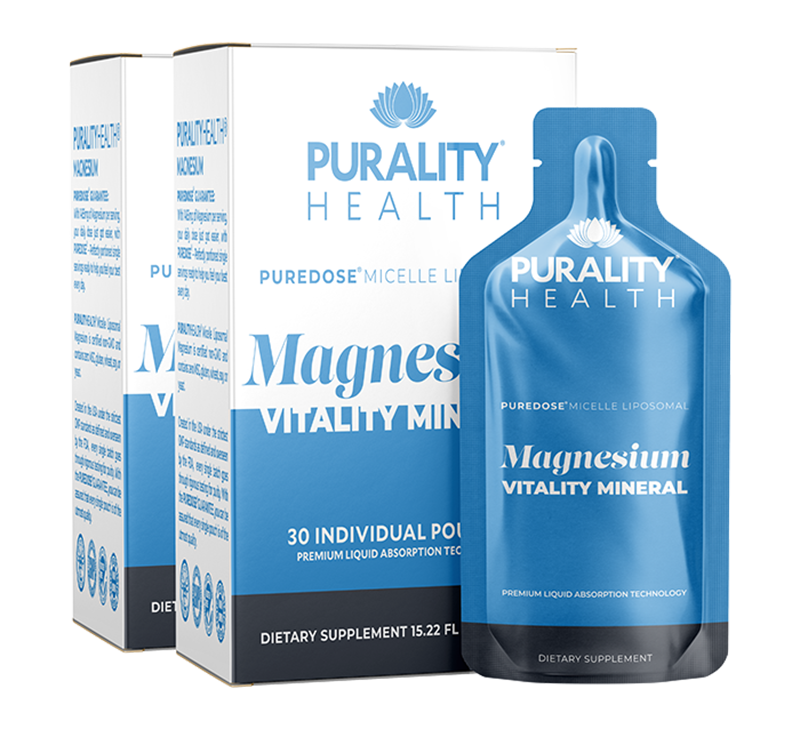
If you’ve felt like magnesium supplements haven’t worked for you in the past, it may be due to how poorly they were absorbed. Click here for Purality Health’s liposomal magnesium – designed for maximum absorption so you can finally experience the benefits.
Top Features of Magnesium Glycinate
- Contains glycine, which naturally helps with sleep
- Easy on the stomach (unlike other magnesium types)
- Comes in convenient pills or powder
- More affordable than liposomal versions
- Backed by more research for sleep benefits
Top Features of Liposomal Magnesium
- Comes mostly in liquid form, great if you hate pills
- Protected by fat bubbles that help it survive stomach acid
- Usually costs more than other magnesium types
- May work better for some people
- Often needs refrigeration after opening
Liposomal vs Glycinate: Absorption and Bioavailability
If you’re taking magnesium to help with sleep, how well your body absorbs it matters a lot. After all, your body can’t use what it can’t absorb.
Think of magnesium glycinate as the reliable, well-tested option. Your body recognizes the glycine attached to it, which helps escort the magnesium into your system. It’s like having a VIP pass that lets the magnesium bypass the usual obstacles. Regular magnesium supplements (like the cheap oxide kind) mostly pass right through you, which is why they can cause bathroom emergencies. But glycinate is much gentler.
Liposomal magnesium is the newer, high-tech approach. It wraps the magnesium in tiny fat bubbles (called liposomes) that protect it from stomach acid. It’s like shipping the magnesium in little protective pods straight to where your body needs it. This sounds great, but there haven’t been as many sleep-specific studies on it compared to glycinate (yet).
For most people looking to improve sleep, both forms work much better than basic magnesium. If you have digestive issues or find that other supplements haven’t worked well for you, the liposomal form might be worth trying despite the higher price.
Click here to see our #1 recommended Liposomal Magnesium from Purality Health
Liposomal vs Glycinate: Sleep and Stress Benefits
Looking specifically at sleep benefits, both types can help, but they work a bit differently.
Magnesium glycinate has a special advantage because it contains glycine, which is a natural sleep-helper on its own. This gives you a two-for-one benefit: the magnesium relaxes your body while the glycine helps calm your brain.
Some people who try magnesium glycinate say they not only fall asleep faster but stay asleep through the night and wake up feeling refreshed, not groggy (individual results will vary). If you’ve been looking for natural sleep aids without melatonin, this could be perfect for you.
Liposomal magnesium could help your sleep in a different way. Because it’s designed for better absorption, it may help balance your magnesium levels more efficiently. Some users report that liposomal magnesium helps them maintain more consistent energy during the day, which then helps them sleep better at night. It’s like helping your body maintain a better overall rhythm.
Both forms are also great for managing stress and anxiety that might keep you up at night. Magnesium is known as nature’s relaxation mineral for good reason. When your body has enough magnesium, your muscles relax more easily and you may find it easier to wind down.
For the best sleep results, you might want to check out products specifically formulated for sleep, like the best liposomal magnesium for sleep or the best magnesium glycinate for sleep.
Liposomal vs Glycinate: Price and Accessibility
Now let’s get practical: what about cost and convenience?
Magnesium glycinate is friendlier on your wallet. You can find it at most health food stores, drug stores, and online shops for about $15-$30 for a month’s supply. Since it’s been around longer, there are lots of brands to choose from, and you can easily find it in capsules, tablets, or powders.
Liposomal magnesium is definitely the fancier option, with prices typically between $30-$60 for a month’s supply. That’s a pretty big difference, especially if you’re planning to take it regularly. It’s also harder to find in regular stores, though online options are growing.
Is the higher price of liposomal worth it? it depends. if you’ve tried other magnesium supplements without success or have had digestive issues, you may be interested in exploring liposomal magnesium as an alternative.
Another thing to consider: magnesium glycinate usually comes in pills, while liposomal magnesium often comes as a liquid. If you hate swallowing pills, the liquid might be worth the extra cost. But if you travel a lot, carrying pills is much easier than packing a liquid supplement.
Remember that magnesium is just one part of getting better sleep. You might also want to include other sleep essentials like a good pillow or blackout curtains too.
Liposomal vs Glycinate: Final Verdict

So what’s the bottom line after comparing these two types of magnesium for sleep?
While both options have their merits, liposomal magnesium, particularly Purality Health’s formula, offers several distinct advantages that make it our top recommendation for sleep support.
The superior absorption of the liposomal delivery system may mean you receive more benefit from each dose. The convenient pouch format also makes it easier to incorporate into your nightly routine without the hassle of pills.
That said, magnesium glycinate remains a solid choice, especially if you’re on a budget. It’s more affordable, widely available, and gives you the bonus benefits of glycine. The fact that it tends to be gentler on the stomach too earns it a big plus over basic magnesium supplements.
People who haven’t had much luck with other magnesium supplements, or who struggle with digestive absorption, may prefer Purality Health’s liposomal magnesium pouches. The liposomal delivery method may help the body absorb more magnesium, which could support deeper, more restful sleep.
Remember that no supplement is a magic sleep bullet on its own. For the best results, pair your magnesium with good sleep habits like creating a sleep-friendly bedroom, finding the best sleeping position for your body, or trying Navy SEAL breathing techniques to calm your mind before bed. When you combine the right magnesium with these practices, better sleep is definitely within reach.
Frequently Asked Questions
What’s the difference between magnesium glycinate and magnesium citrate?
Magnesium glycinate contains magnesium bound to glycine, while magnesium citrate contains magnesium bound to citric acid. Citrate is well studied for absorption and can draw water into the bowel, making it useful for constipation but more likely to loosen stools. Glycinate may cause fewer digestive effects for some people, although direct comparisons between the two forms are limited. The elemental magnesium amount on the label is more important than the total compound weight.
Can liposomal magnesium help with migraines?
Magnesium supplements may modestly reduce migraine frequency in some people, but liposomal magnesium has not been shown to work better than other forms. Most migraine research has studied forms such as magnesium citrate, oxide, or dicitrate rather than liposomal products. Magnesium for migraine prevention should be discussed with a healthcare professional because studied doses may cause diarrhea or exceed standard supplemental intake limits.
Is it safe to take magnesium every day?
Daily magnesium is generally safe for healthy adults when the supplemental dose is appropriate. The adult upper limit for magnesium from supplements and medicines is 350 mg of elemental magnesium per day, although clinicians may prescribe higher doses for specific conditions; magnesium from food is not included in this limit. Excess supplemental magnesium can cause diarrhea, nausea, and cramping, while kidney disease increases the risk of dangerous accumulation.
It’s always best to ask with a healthcare provider before starting any new supplement regimen, especially if you have kidney problems or take certain medications.
How long does it take to fix a magnesium deficiency?
Blood magnesium levels may improve within several days of starting treatment, but restoring magnesium inside cells can take longer. Treatment duration depends on the severity, the replacement method, kidney function, and whether the cause of the deficiency continues. Clinical guidance commonly recommends checking levels after about five to seven days and continuing replacement briefly after levels normalize.
Can magnesium help with anxiety?
Magnesium may reduce mild anxiety or stress symptoms in some people, especially when magnesium intake or status is low. However, studies have been small and inconsistent, so magnesium is not an established treatment for an anxiety disorder. Persistent or severe anxiety should be assessed by a healthcare professional.
Is liposomal magnesium better for athletes?
Liposomal magnesium has not been shown to be better for athletes than standard, well-absorbed magnesium forms. Magnesium supplements generally provide little performance benefit when an athlete already has adequate magnesium levels, although correcting a deficiency is important for normal muscle and nerve function. Evidence specifically comparing liposomal magnesium with other forms in athletes is lacking.
Can I take magnesium with other supplements?
In general, magnesium can be safely taken with most other supplements. However, it’s best to take magnesium at least 2 hours apart from iron or zinc supplements, as they can compete for absorption.
Always check with a healthcare provider if you’re unsure about supplement interactions.
Does magnesium interfere with sleep medications?
Magnesium has no well-established direct interaction with most sleep medications, but evidence on combining supplements with drugs such as zolpidem is limited. The exact risk depends on the medication, magnesium dose, kidney function, and other medicines being taken.
Magnesium can reduce the absorption of certain medicines, although the main known examples are some antibiotics and osteoporosis drugs rather than sleep medications. A pharmacist should check the specific combination before they are taken together.
Can liposomal magnesium cause diarrhea?
Liposomal magnesium is less likely to cause diarrhea compared to some other forms of magnesium, due to its enhanced absorption. However, taking too much of any form of magnesium can lead to loose stools.
Start with a low dose and increase gradually to minimize this risk.
Is it better to take magnesium in the morning or at night?
The best time to take magnesium depends on your goals. For sleep benefits, taking it in the evening is often recommended. For general health support, you can take it any time of day.
Some people find splitting the dose between morning and evening works well for them.
Key Takeaways
- Magnesium glycinate and liposomal magnesium are advanced forms of magnesium supplementation that offer potential benefits over traditional forms.
- Magnesium glycinate is well-absorbed, gentle on the digestive system, and particularly useful for sleep and stress reduction.
- Liposomal magnesium uses cutting-edge technology to potentially enhance cellular delivery of magnesium, though more research is needed to fully confirm its benefits.
- Both forms can be effective for improving magnesium status, but the best choice depends on person needs, health goals, and preferences.
- Proper dosing, timing, and consideration of cofactors can enhance the effectiveness of magnesium supplementation.
Related Articles
- Best Magnesium for Leg Cramps and Sleep: Which Type Actually Works?
- Best Liposomal Magnesium for Sleep
- Best Magnesium Supplements for Sleep
- Liposomal Magnesium Benefits
- 7 Best Magnesium Creams for Sleep & Anxiety
- Magnesium Glycinate vs Citrate: Which Form Reigns Supreme?
- The Best Magnesium Glycinate for Sleep
Health Disclaimer: This article is for informational purposes only and does not constitute medical advice. The products mentioned are not intended to diagnose, treat, cure, or prevent any disease. Results may vary from person to person. Always consult with a qualified healthcare professional before starting any supplement regimen, especially if you have existing health conditions, are pregnant or nursing, or are taking medications. The statements regarding these products have not been evaluated by the Food and Drug Administration.

Sleep Essentials Hub is a sleep blog for readers who want helpful sleep guides and honest product recommendations. We’re passionate about better rest, with a focus on pillows and bedding, sleep aids, sleep apnea and CPAP gear, natural sleep supplements, sleep tech, and simple ways to improve your sleep environment. We’re here to help you choose products that support deeper sleep, greater comfort, and a better night’s rest without overspending.