

Magnesium L-Threonate vs Glycinate: Which Form Is Right for You?
Magnesium L-threonate and magnesium glycinate are two of the most absorbable forms of magnesium you’ll find, but they work in completely different ways inside the body.
L-threonate was developed specifically to deliver magnesium to the brain, while glycinate pairs magnesium with the amino acid glycine to support relaxation, sleep, and general magnesium levels throughout the body.
Understanding which form lines up with specific health goals can save weeks on a supplement that isn’t doing what it needs to do. This guide breaks down the differences, the research behind each form, and two solid product options worth considering.
Disclosure: This article is reader-supported and contains affiliate links.
Magnesium L-Threonate vs Glycinate at a Glance
| Magnesium L-Threonate | Magnesium Glycinate | |
|---|---|---|
| Primary use | Cognitive function, memory, focus | Sleep, relaxation, general magnesium replenishment |
| How it works | Crosses the blood-brain barrier to deliver magnesium directly to brain tissue | Absorbs efficiently and distributes magnesium throughout the body; glycine supports calming neurotransmitters |
| Best time to take | Morning or early afternoon | 1 to 2 hours before bed |
| Elemental magnesium per serving | ~144mg (from 2,000mg Magtein) | 200 to 400mg |
| Stomach tolerance | Good | Excellent |
| Typical results timeline | 2 to 6 weeks for cognitive support | A few days to 2 weeks for sleep; 4+ weeks for broader benefits |
| Cost | Higher (patented formulation) | Lower and widely available |
What Is Magnesium L-Threonate?
Magnesium L-threonate is a form of magnesium bonded to L-threonic acid, a compound the body naturally produces when it metabolizes vitamin C. MIT researchers developed this pairing to address a specific challenge: most magnesium supplements can’t cross the blood-brain barrier, so the magnesium that gets swallowed never actually reaches brain tissue.
L-threonate gets around this by using the brain’s own glucose transporters to carry magnesium past that barrier [1]. Think of it like a backstage pass. The magnesium hitches a ride through a channel the brain already keeps open for fuel.
In a 2025 randomized, double-blind, placebo-controlled trial published in Frontiers in Nutrition found that healthy adults taking 2g of Magtein daily for six weeks showed improvements in memory, attention, reaction time, and overall cognitive performance compared to placebo [3]. Sleep scores also improved in the supplemented group.
Six weeks is a relatively fast timeline for a cognitive supplement. Most need months before any noticeable difference kicks in.
The clinical form used in nearly all the published research is called Magtein. When shopping for L-threonate, look for that name on the label to make sure it’s the studied version.
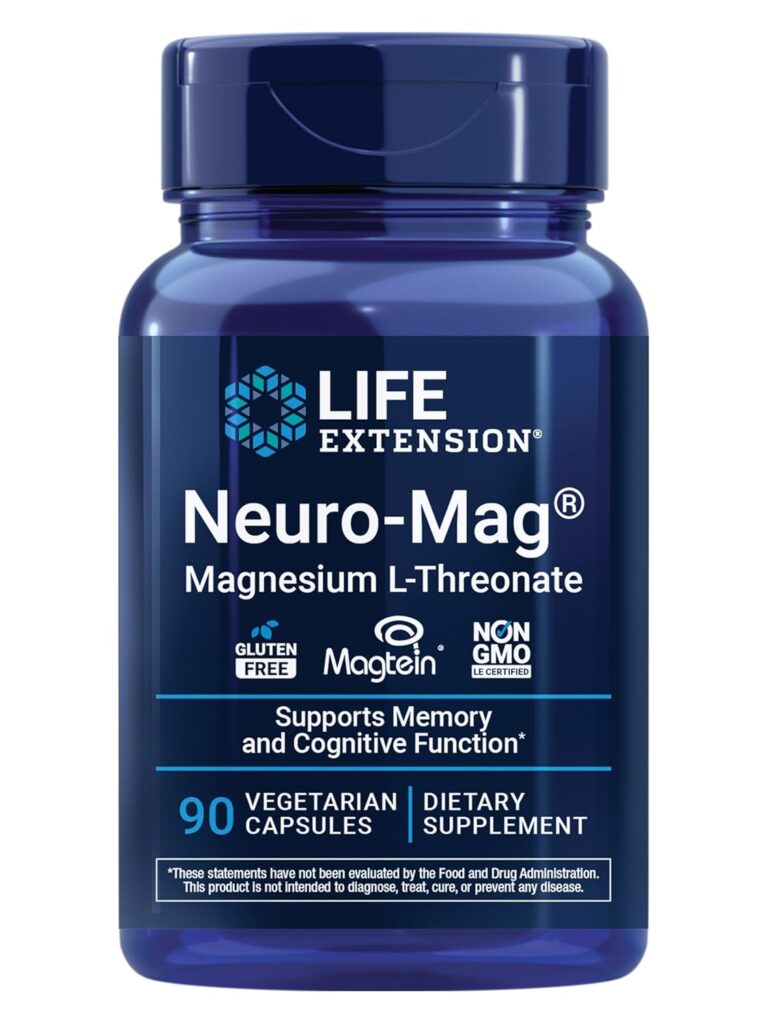
Our Pick for Magnesium L-Threonate
Life Extension Neuro-Mag
2,000mg patented Magtein per serving (144mg elemental magnesium). The same form used in published clinical trials on memory, focus, and sleep quality. Non-GMO, vegetarian, gluten-free.
Check Price on AmazonWho May Benefit from Magnesium L-Threonate?
- People experiencing brain fog or mental fatigue that better sleep alone hasn’t resolved
- Adults noticing age-related memory changes or early cognitive decline
- People with ADHD looking for additional support alongside other treatments (early research suggests magnesium supplementation over 12+ weeks may help with focus and attention [4])
- Migraine sufferers with low brain magnesium, even when blood tests look normal
One thing that surprises most people is that a standard blood test for magnesium doesn’t tell much about what’s going on in the brain.
The body tightly regulates blood magnesium, so a normal serum result does not always rule out low magnesium status in tissues. That is one reason magnesium L-threonate gets attention: it was developed to support magnesium delivery to the brain, though human evidence is still emerging [5].
What Is Magnesium Glycinate?
Magnesium glycinate pairs magnesium with glycine, a calming amino acid that helps the nervous system slow down. The chelated bond between them creates a supplement that absorbs well and is gentle on the stomach, even for people who’ve had digestive trouble with cheaper forms like magnesium oxide or citrate.
Glycine is a big part of why this form is so popular for sleep and stress support. It activates GABA receptors throughout the nervous system and may support serotonin production, helping the body shift into a calmer state [6]. Unlike L-threonate, glycinate doesn’t zero in on the brain. Instead, it distributes magnesium to muscles, bones, the cardiovascular system, and general cellular function.
For most people looking to improve sleep quality or address a general magnesium deficiency, glycinate is a strong starting point. It delivers more elemental magnesium per serving (200 to 400mg compared to L-threonate’s ~144mg) and is easier on the wallet.
Who May Benefit from Magnesium Glycinate?
- People struggling to fall asleep or stay asleep through the night
- Adults dealing with ongoing stress or mild anxiety
- Anyone experiencing muscle cramps, tension headaches, or restless legs
- Perimenopausal women dealing with sleep disruption [7]
- Athletes looking for recovery support
- Anyone who wants a well-tolerated daily magnesium at a reasonable price
For someone who mainly wants to correct low magnesium and support muscle, bone, and overall health, magnesium glycinate is often the better-value choice.
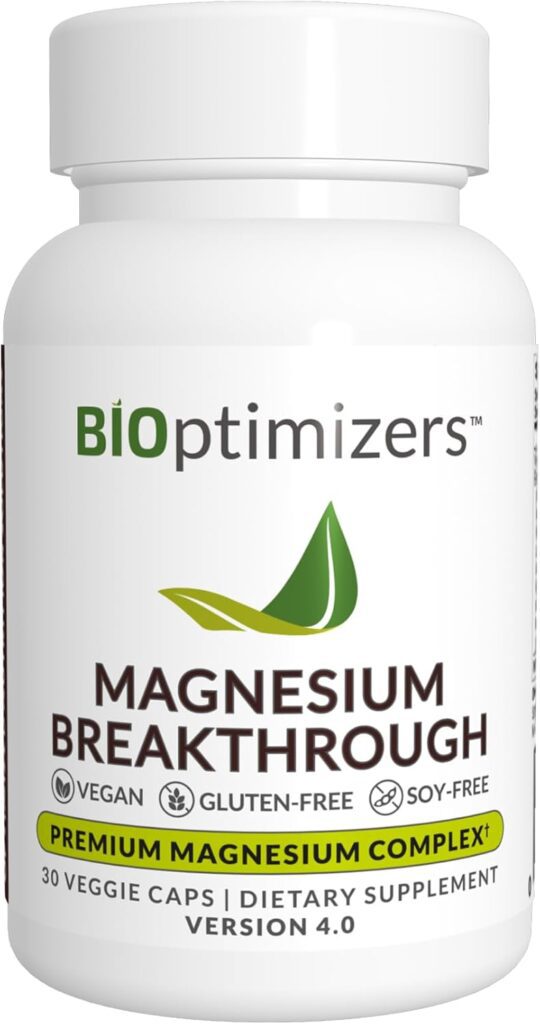
Our Pick for Full-Spectrum Magnesium
BIOptimizers Magnesium Breakthrough
500mg elemental magnesium from 7 forms including glycinate, taurate, and malate. Includes vitamin B6 and manganese cofactors.
Check PriceBest Magnesium for Sleep: L-Threonate or Glycinate?
For sleep support, glycinate is the popular magnesium choice.
The glycine in magnesium glycinate works through several sleep-related pathways at once. It may boost GABA activity to help quiet the nervous system, support melatonin production, and help lower core body temperature, which is a signal the body uses to initiate sleep [6].
L-threonate may also support sleep quality. The 2025 Magtein trial showed improved sleep scores [3], and a separate RCT published in Sleep Medicine X found that 1g of magnesium L-threonate daily for three weeks improved both subjective and objective sleep measures in adults with self-reported sleep problems [8].
The difference is how they get there. Glycinate promotes relaxation throughout the body and nervous system. L-threonate appears to support sleep by calming overactive brain signaling. Some people also find L-threonate mildly energizing, so taking it late in the day could work against sleep goals.
If sleep is the primary concern, glycinate is a natural starting point. For those already using glycinate who still want cognitive support during the day, that’s where adding L-threonate may be worth exploring.
Magnesium Glycinate vs L-Threonate for Brain Fog, Memory, and Focus

For cognitive support, L-threonate has the most research behind it.
No other commercially available magnesium form has been shown to reliably raise magnesium levels inside brain tissue. Glycinate, citrate, and oxide all help increase magnesium in the blood, but the blood-brain barrier keeps most of that magnesium out of neurons.
L-threonate bypasses that barrier. Once inside brain tissue, it appears to help the brain form and strengthen connections between neurons more easily [2]. It also helps balance the signals that keep the brain alert vs. the ones that help it calm down.
Research shows L-threonate may increase the number of connections between brain cells in the areas responsible for memory [9]. That directly affects working memory, which is the type used for solving problems, following conversations, or keeping multiple tasks organized.
However, glycinate does offer some indirect cognitive support through better sleep and lower stress levels. Poor sleep alone can mimic brain fog. But for people whose sleep is decent and who are still feeling mentally sluggish, glycinate probably isn’t targeting the right area. L-threonate is designed to work at the brain level, which is why it gets more attention for this particular concern.
Magnesium Glycinate vs L-Threonate for Stress and Anxiety
Both forms of magnesium may be helpful during periods of stress, but they are usually chosen for different reasons.
Magnesium glycinate is one of the most popular options for people looking for a gentler, calming form of magnesium. Part of that comes from glycine, an amino acid involved in inhibitory signaling in the nervous system and often linked with relaxation and sleep support. Because of that, glycinate is commonly the form people consider first when stress feels physical, especially if it shows up as tension, restlessness, or trouble winding down at night.
Magnesium L-threonate is usually discussed from a different angle. It was developed to support magnesium delivery to the brain, which is why it often comes up in conversations about focus, mental fatigue, and the racing-thought side of stress.
Early research suggests it may support sleep quality, mood, and daytime mental performance, although the human evidence is still developing.
In practical terms, magnesium glycinate is often the better starting point when stress feels more physical or starts interfering with sleep. Magnesium L-threonate may be worth considering when the bigger issue is mental overstimulation, such as overthinking, poor focus, or feeling like your brain never fully switches off.
Can You Take Magnesium L-Threonate and Glycinate Together?
Yes, many people do combine magnesium L-threonate and magnesium glycinate, since they are often used for different goals. L-threonate is usually chosen for cognitive support, while glycinate is more often used for relaxation, sleep, and general magnesium support.
A common approach is to take L-threonate earlier in the day and glycinate in the evening. This can make sense for people who want one form during work or focus hours and another that feels more calming at night.
That said, it is still important to watch your total supplemental magnesium intake.
A typical pairing of 2,000 mg magnesium L-threonate plus 400 mg magnesium glycinate may add up to a fairly high daily magnesium dose, depending on how the label lists elemental magnesium. If you are thinking about combining both, it’s smart to check with a healthcare provider first, especially if you have kidney issues, take medications, or are trying to avoid side effects like diarrhea or stomach upset.
The main downside is cost. Magnesium L-threonate is usually one of the more expensive forms, so adding glycinate increases the monthly supplement spend. For anyone who would rather keep things simple, it often makes more sense to start with the form that best matches the main concern and then reassess after a few weeks.
Top Pick for Magnesium L-Threonate: Life Extension Neuro-Mag
Life Extension Neuro-Mag uses the patented Magtein form of magnesium L-threonate. Each 3-capsule serving delivers 2,000mg of Magtein, providing 144mg of elemental magnesium.
That’s an important detail because a lot of L-threonate products on the market use generic versions of the compound. Magtein is the one with published human research behind it, and Life Extension puts it right on the label so there’s no guessing.
The main thing to know is that you need 3 capsules a day to get the full serving. Some people split it (2 in the morning, 1 in the evening) while others take all 3 at once. Life Extension also makes a tropical punch powder version for anyone who prefers mixing it into a drink.
For those who’d rather get L-threonate and glycinate in a single product, Performance Lab Magnesium combines Magnesium L-Threonate with Magnesium Bisglycinate and their NutriGenesis form.
Top Pick for Full-Spectrum Magnesium: BIOptimizers Magnesium Breakthrough
Most glycinate supplements only contain one form of magnesium. Magnesium Breakthrough takes a different approach by combining seven forms in a single capsule: Glycinate, Citrate, Taurate, Chelate, Orotate, Malate, and Sucrosomial Magnesium.
The idea behind a full-spectrum formula is that different forms of magnesium are absorbed and used differently throughout the body. Glycinate supports relaxation and sleep. Taurate is associated with cardiovascular function. Malate is popular among athletes for energy and recovery. By including all seven, the formula aims to cover more ground than a single-form supplement.
Each serving delivers 500mg of elemental magnesium from those combined forms, along with cofactors like vitamin B6 and manganese citrate that may support absorption. That’s a higher elemental dose per serving than most standalone glycinate or L-threonate products.
BIOptimizers has been around for over 15 years, and the product is tested free of mercury, lead, arsenic, and fluoride.
For people who prefer broader magnesium coverage in one product instead of using multiple bottles, this may be a convenient option. Some people also pair it with a dedicated magnesium L-threonate product like Neuro-Mag when they want general magnesium support alongside a more targeted form.
Check Price of BIOptimizers Magnesium Breakthrough →
Side Effects of Magnesium L-Threonate and Magnesium Glycinate
Both forms have strong safety profiles at recommended doses. Neither is known for causing the digestive issues that are common with cheaper magnesium forms like oxide or citrate.
- L-Threonate: Some people report mild nausea, headaches, or a sensation of increased blood flow to the head during the first few days. These typically fade as the body adjusts. L-threonate can be mildly stimulating for some, so taking it too late in the day may affect sleep.
- Glycinate: Widely considered the gentlest magnesium form for digestion. Side effects are uncommon at normal doses. A small number of people experience restlessness when first starting glycinate. If that happens, lowering the dose and gradually building up may help.
Talk to a doctor first if there’s a history of kidney disease, current use of heart medications, antibiotics, or diuretics, pregnancy or breastfeeding, or low blood pressure. Space magnesium supplements at least 2 hours apart from zinc, calcium, thyroid medications, and tetracycline antibiotics to avoid absorption interference.
How Long Before You Notice a Difference?
Glycinate for sleep: Many users report feeling a difference within the first few nights of consistent use. Broader benefits for muscle tension and stress may take 2 to 4 weeks.
L-Threonate for cognition: The 2025 Magtein trial showed measurable cognitive improvements at the 6-week mark. Some users notice better mental clarity within 2 to 3 weeks, but memory and focus improvements tend to build gradually with daily use. Individual responses may vary.
Both forms work best with consistency. Neither delivers overnight results for complex health goals.
Final Thoughts: Magnesium L-Threonate vs Glycinate
Magnesium L-threonate and magnesium glycinate serve different purposes, and the right choice depends on what the body actually needs.
L-threonate is one of the few magnesium forms studied for brain health, with clinical research showing it may support memory, focus, and cognitive performance by raising magnesium levels in brain tissue [3]. Glycinate is a widely used, well-absorbed form that may help with sleep quality, stress, muscle cramps, and general magnesium replenishment [6][7].
Both forms are gentle on digestion and can be taken together without overlap. Starting with one, staying consistent for 4 to 6 weeks, and adjusting from there is a practical approach. A healthcare provider can help determine the right form and dosage based on individual health goals.
Magnesium L-Threonate vs Glycinate: Frequently Asked Questions
Should I take magnesium threonate or glycinate?
Whether you choose to take magnesium threonate or glycinate depends on your goals. Magnesium L-threonate supports cognitive health and memory, while magnesium glycinate is best for sleep, relaxation, and overall stress reduction.
Who should not take magnesium L-threonate?
People sensitive to stimulants or those with trouble sleeping should avoid magnesium L-threonate at night, as it can increase mental alertness and energy.
Which is better, magnesium glycinate or L-theanine?
Magnesium glycinate is better for stress relief and sleep, while L-theanine is a calming amino acid often used for anxiety. They serve different purposes and can be used together.
Magnesium L-threonate is considered the best form for brain health and memory support, but it’s not ideal for those needing help with sleep or muscle function.
Does magnesium L-threonate make you sleepy?
Magnesium L-threonate does not usually make you sleepy. Magnesium L-threonate is known to promote mental clarity and energy, so it’s typically taken in the morning or early afternoon to avoid disrupting sleep.
What is the healthiest form of magnesium?
Magnesium glycinate is one of the healthiest and most bioavailable forms, known for its gentle effect on the stomach and strong support for relaxation and sleep.
What is the downside of magnesium glycinate?
The main downside of magnesium glycinate is that it doesn’t significantly increase brain magnesium levels, so it may not be ideal for those seeking cognitive enhancement.
Why is magnesium L-threonate so expensive?
Magnesium L-threonate is expensive due to patented research, complex manufacturing, and its unique ability to cross the blood-brain barrier for targeted brain support.
Which magnesium is best for anxiety?
Magnesium glycinate is widely recommended for anxiety thanks to its calming glycine component, which supports the nervous system and promotes relaxation.
Related Reading
- Best Magnesium for Leg Cramps and Sleep
- Best Magnesium Glycinate for Sleep
- Magnesium Glycinate vs Citrate
- Liposomal Magnesium vs Magnesium Glycinate
- Best Lipsomal Magnesium for Sleep
- Best Magnesium Supplements for Sleep
References
- [1] Slutsky I, Abumaria N, Wu LJ, et al. “Enhancement of learning and memory by elevating brain magnesium.” Neuron. 2010;65(2):165-177. PubMed
- [2] Abumaria N, et al. “Effects of elevation of brain magnesium on fear conditioning, fear extinction, and synaptic plasticity in the infralimbic prefrontal cortex and lateral amygdala.” Journal of Neuroscience. 2011;31(42):14871-14881. PubMed
- [3] Lopresti AL, Smith SJ. “The effects of magnesium L-threonate (Magtein) on cognitive performance and sleep quality in adults: a randomised, double-blind, placebo-controlled trial.” Frontiers in Nutrition. 2025;12. Full Text
- [4] Surman C, Vaudreuil C, Boland H, et al. “L-Threonic acid magnesium salt supplementation in ADHD: an open-label pilot study.” Journal of Dietary Supplements. 2021;18:119-131. PubMed
- [5] Touyz RM, de Baaij JH, Hoenderop JG. “Magnesium Disorders.” New England Journal of Medicine. 2024;390(21):1998-2009. PubMed
- [6] Bannai M, Kawai N. “New therapeutic strategy for amino acid medicine: glycine improves the quality of sleep.” Journal of Pharmacological Sciences. 2012;118(2):145-148. PubMed
- [7] Pickering G, et al. “Magnesium status and stress: the vicious circle concept revisited.” Nutrients. 2020;12(12):3672. PMC
- [8] Sun Q, et al. “Magnesium-L-threonate improves sleep quality and daytime functioning in adults with self-reported sleep problems: a randomized controlled trial.” Sleep Medicine X. 2024. PMC
- [9] Liu G, Weinger JG, Lu ZL, et al. “Efficacy and safety of MMFS-01, a synapse density enhancer, for treating cognitive impairment in older adults.” Journal of Alzheimer’s Disease. 2016;49:971-990. PubMed
- [10] Kirkland AE, Sarlo GL, Holton KF. “The role of magnesium in neurological disorders.” Nutrients. 2018;10(6):730. PMC
- [11] Zhang C, Hu Q, Li S, et al. “A Magtein, Magnesium L-Threonate, -Based Formula Improves Brain Cognitive Functions in Healthy Chinese Adults.” Nutrients. 2022;14(24):5235. PMC
Disclaimer: This content is for informational purposes only. Individual results vary. Consult a healthcare professional before starting any supplement.

Sleep Essentials Hub is a sleep blog for readers who want helpful sleep guides and honest product recommendations. We’re passionate about better rest, with a focus on pillows and bedding, sleep aids, sleep apnea and CPAP gear, natural sleep supplements, sleep tech, and simple ways to improve your sleep environment. We’re here to help you choose products that support deeper sleep, greater comfort, and a better night’s rest without overspending.