
How to Establish a Healthy Sleep Routine: 7 Tips to Get Your Sleep Back on Track
Most people know they should sleep more. The problem is they don’t know exactly what’s stopping them or what to change first.
The CDC reports that over one-third of adults in the U.S. aren’t getting the sleep they need on a regular basis. This is more than just an inconvenience. Chronic sleep deprivation is associated with serious health risks like heart disease, obesity, diabetes, and a weakened immune system.
The good news is that sleep is one of the quickest things your body can respond to, and learning how to sleep better at night naturally often comes down to a few specific changes.
What Is Sleep Hygiene and Why Is It Important?
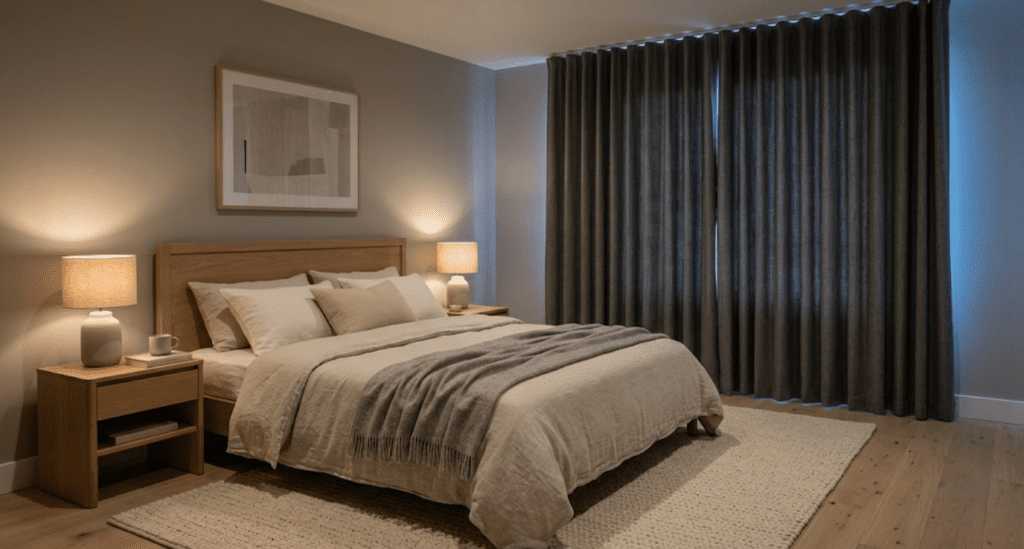
Sleep hygiene is a set of habits and environmental factors that can improve your sleep quality and duration. Think of it as the foundation for your sleep. When it’s strong, it may be easier to fall asleep, stay asleep, and wake up feeling refreshed rather than groggy.
How Quality Sleep Impacts Your Body and Mind
When you get a good night’s sleep, your body has time to repair tissue, balance hormone levels, strengthen memory, and cleanse the brain of waste products.
Mentally, enough sleep can help you concentrate better, balance your mood, and lessen anxiety. By consistently getting 7 to 9 hours of uninterrupted sleep, the cumulative benefits can affect nearly every system in your body.
How Much Sleep Do Adults Really Need?
According to the National Sleep Foundation, adults between the ages of 18 and 64 should get between 7 and 9 hours of sleep each night, while adults 65 and older should get between 7 and 8 hours. Teenagers should aim for 8 to 10 hours, and school-age children should get between 9 and 11 hours.
It’s important to remember that just because you’re in bed for 8 hours doesn’t mean you’re actually sleeping for that long. The quality of your sleep (how quickly you fall asleep and how often you wake up) is just as important as the total time you spend in bed.
Effects of Consistent Poor Sleep on Your Body
Consistent poor sleep can lead to a series of adverse effects, including a drop in cognitive function, slower reaction times, emotional instability, and a weakened immune system.
Over time, chronic sleep deprivation may increase the risk of developing type 2 diabetes, cardiovascular disease, and depression. Some people get used to feeling tired and may not realize how impaired they truly are, which is one of the most concerning aspects of long-term sleep debt.
The good news is that most of these issues are reversible with the right habits. Below are seven evidence-based changes you can start making today, listed in order of impact.
1. Keep a Regular Sleep Schedule
Your body operates on a circadian rhythm, which is essentially a 24-hour internal clock that determines when you feel awake and when you feel sleepy. By going to bed and waking up at the same time every day, even on weekends, you help regulate this clock.
Even just one or two nights of irregular sleep can disrupt your rhythm enough to make you feel like you have jet lag on Monday morning.
If you’re not sure whether your problem is a disrupted schedule or something deeper, our breakdown of insomnia vs. a bad sleep schedule can help you figure it out.
It’s easy: choose a time to wake up and stick to it. Everything else, including the time you go to bed, how energetic you feel during the day, and even how hungry you are, will begin to revolve around that set time.
Why You Shouldn’t Sleep In on Weekends
While it may seem like you’re catching up on sleep by sleeping in on the weekends, you’re actually pushing your circadian rhythm back.
Scientists refer to this as “social jet lag.” When you have to get up early for work on Monday, your body’s internal clock is still lagging behind. According to a 2023 consensus statement from the National Sleep Foundation, while it may be helpful to get some extra sleep on the weekends after a week of inadequate sleep, it should not be used as a primary strategy in place of maintaining a regular sleep schedule.
How to Get Your Sleep Schedule Back on Track
If you’ve already lost control of your sleep schedule, you can start getting it back on track by setting a wake-up time and sticking to it for at least a week, no matter when you fall asleep.
Gradually adjust your bedtime earlier by 15 minutes every few days instead of making a big change all at once.
During this reset period, try not to nap, and make sure to get some sunlight within the first hour of waking up. This is one of the quickest ways to help reset your circadian rhythm.
2. Create a Bedtime Ritual That Helps You Relax
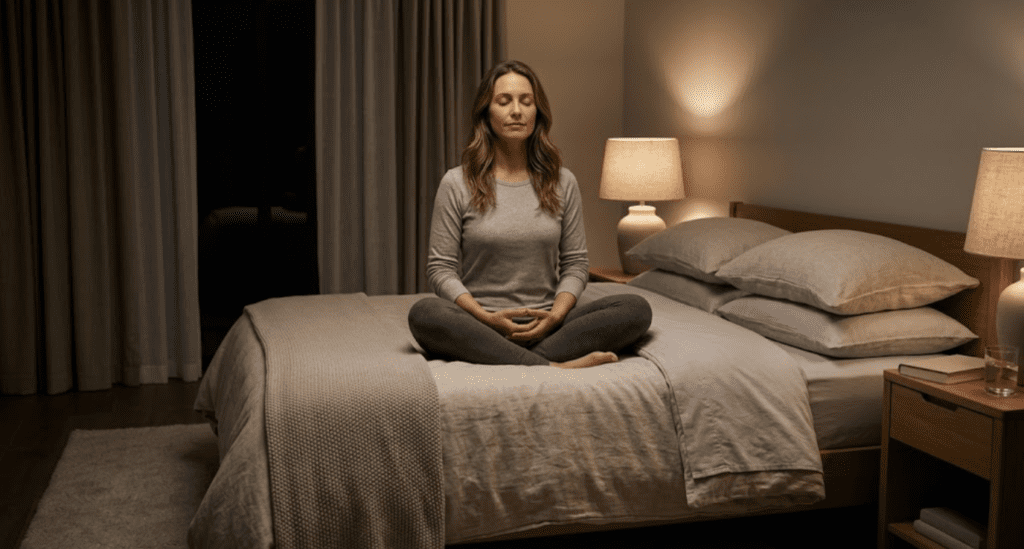
Your brain doesn’t go from being fully alert to being in deep sleep in an instant. It requires a transition, a set of consistent signals that tell your nervous system that the day is over and it’s time to power down. A bedtime ritual provides those signals through repetition. Over time, the ritual itself becomes a cue for sleep.
Top Relaxation Activities to Do One Hour Before Bed
Use the hour before bed for low-key activities that lower your heart rate and mental activity. Some good choices are:
- Reading a physical book or e-reader with warm lighting
- Taking a warm bath or shower (the drop in body temperature afterward may promote sleepiness)
- Light stretching or gentle yoga
- Listening to calm music or a low-stimulation podcast
- Writing in a journal to offload thoughts from the day
Avoid anything that spikes cortisol or dopamine, such as intense news, social media scrolling, action-heavy TV shows, or work emails. These keep your brain in problem-solving mode when it needs to be transitioning out of it.
The Science Behind Warm Baths, Stretching, and Deep Breathing for Sleep
Warm baths work by a simple principle: the warm water raises your body temperature, and when you get out of the bath, your body quickly cools down.
This rapid cooling is similar to the natural drop in body temperature you experience before sleep, which signals to your brain to start producing melatonin.
Stretching and deep breathing activate your parasympathetic nervous system, which is responsible for rest and digestion. This system counteracts the stress response that can keep you awake at night.
How to Use Progressive Muscle Relaxation for Better Sleep
Progressive Muscle Relaxation (PMR): Step-by-Step
Progressive Muscle Relaxation is a technique where you systematically tense and release muscle groups to reduce physical tension and calm the nervous system before sleep.
- Lie down in a comfortable position and close your eyes.
- Start with your feet. Tense the muscles tightly for 5 seconds, then release for 30 seconds.
- Move upward through your calves, thighs, abdomen, hands, arms, shoulders, and face.
- Focus on the contrast between tension and relaxation in each muscle group.
- Complete the full sequence in 10 to 15 minutes before sleep.
Research suggests that consistent use of PMR may reduce the time it takes to fall asleep and improve overall sleep quality.
PMR works especially well for people who carry physical tension from stress, such as tight shoulders, a clenched jaw, or a stiff neck at the end of the day. By physically releasing that tension before bed, you remove one of the more common barriers to falling asleep quickly.
The key is to stick with it. Trying PMR once might give you a small boost. But if you practice it every night for two weeks, you may train your body to link the process with sleep, and it can become more effective the more you do it.
3. Create a Sleep-Inducing Bedroom
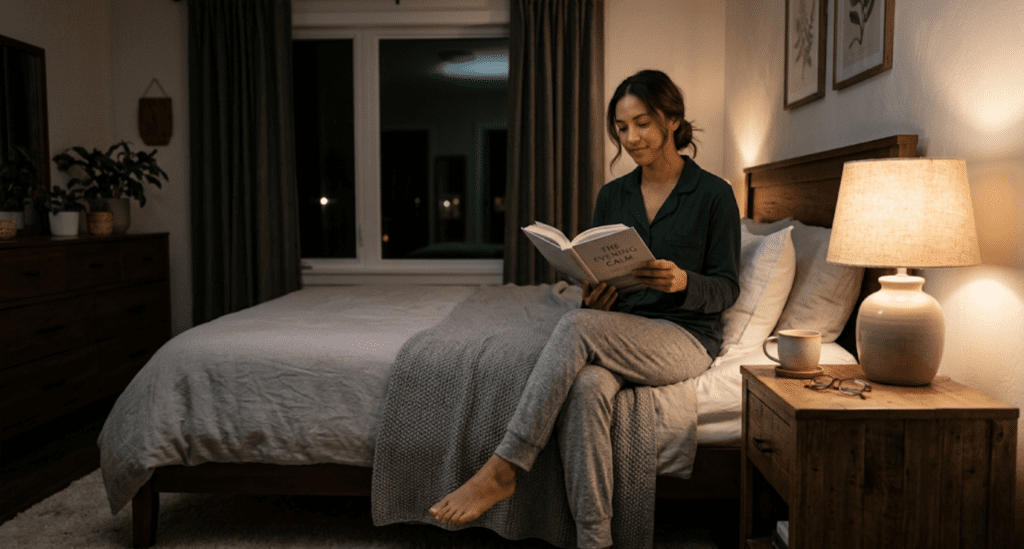
Your bedroom should have one main purpose: to make sleep as easy as possible. The temperature, light, noise level, and the type of surface you sleep on all send strong signals to your nervous system about whether it’s time to let go and rest.
Adjusting these environmental factors can be one of the quickest ways to improve the quality of your sleep. For a full walkthrough, see our guide on how to create a sleep-friendly bedroom.
The Perfect Sleep Environment: Temperature, Lighting, and Noise
Keep your bedroom cool, ideally between 60°F and 67°F (15.6°C to 19.4°C). Your body temperature naturally decreases when you’re falling asleep, and a cooler room can help support this process. If your room is too hot, it can prevent your body temperature from dropping and lead to difficulty falling asleep or staying asleep.
If your room stays warm despite adjusting the thermostat, a water-cooled mattress pad can help pull heat away from your body while you sleep.
Light and noise deserve equal attention. Even a small amount of light from a phone screen, a streetlight through thin curtains, or a power indicator on a TV can suppress melatonin production.
Blackout curtains or a sleep mask are simple, effective solutions. For noise, the goal is either to eliminate it or to mask unpredictable sounds with consistent white noise. A fan, white noise machine, or app set at a steady volume may help reduce the brain’s tendency to stay on alert for sudden sounds.
The Impact of Your Mattress and Pillow on Sleep Quality
A mattress that doesn’t offer enough support can cause pressure points that lead to micro-arousals throughout the night. These are brief periods of lighter sleep that you may not even recall, but they can reduce the quality of your sleep by the time morning arrives.
The best mattress for you will depend on your preferred sleeping position. Side sleepers generally need more cushioning at the shoulder and hip, while back and stomach sleepers often need a firmer surface to keep the spine properly aligned.
Pillows are just as important. If a pillow is too high or too flat, it can misalign your cervical spine, leading to neck and shoulder pain and disrupted breathing. Side sleepers usually need a thicker, firmer pillow to fill the gap between the ear and shoulder.
Back sleepers typically do best with a medium-loft pillow for back sleepers that supports the natural curve of the neck without pushing the head too far forward.
Quick Guide to Your Sleep Environment
| Factor | Best Range / Setting | Why It Helps |
|---|---|---|
| Room Temperature | 60°F to 67°F (15.6°C to 19.4°C) | Supports your body’s natural core temperature drop at sleep onset |
| Light Level | As dark as possible | Helps prevent suppression of melatonin |
| Noise Level | Quiet or consistent white noise | May reduce your brain’s alertness to unpredictable sounds |
| Mattress Support | Depends on your sleep position | Helps prevent pressure points and micro-arousals |
| Pillow Loft | Depends on your sleep position | Helps keep your cervical spine aligned |
4. Be Careful What You Eat and Drink Before Bed
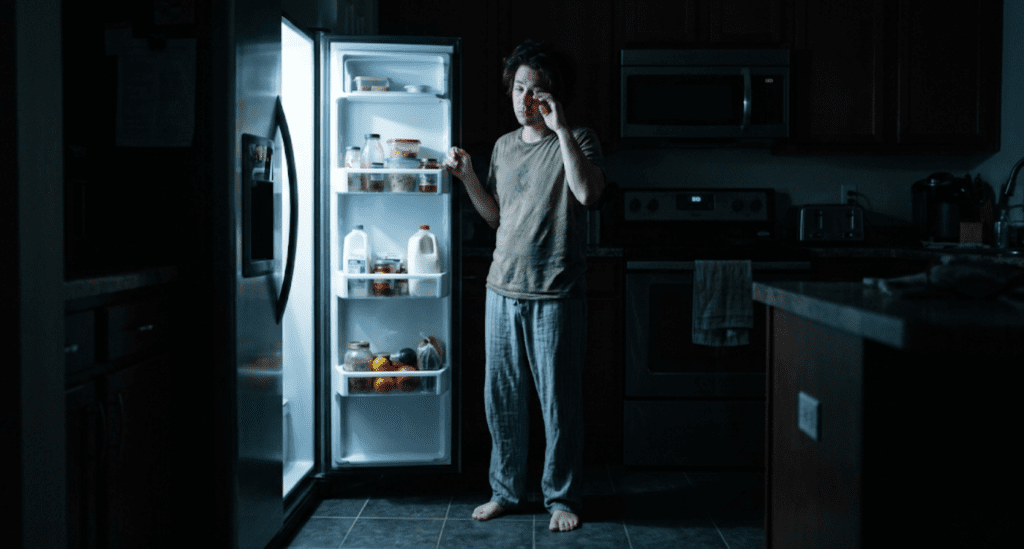
The foods and drinks you consume in the hours leading up to sleep can have a direct and measurable impact on sleep quality.
Some can actively interfere with your sleep architecture (the natural progression through light sleep, deep sleep, and REM), while others can support the process.
When you eat is just as important as what you eat. Consuming a big meal too close to bedtime makes your digestive system work when your body is trying to relax. This can cause discomfort, increase your core body temperature, and disrupt the first half of the night when deep, restorative sleep is most needed.
Our full guide to diet for better sleep covers this in more detail.
What to Avoid Eating and Drinking Before Bed
Spicy foods are known for causing problems with sleep. They can trigger acid reflux when you lie down and increase your body temperature, both of which can make it difficult to fall asleep.
Eating foods high in sugar before bed can cause blood sugar to spike and then crash, which may wake you up early in the morning. Heavy, fatty meals can slow down digestion significantly, meaning your stomach has to keep working hard long into the night.
When it comes to drinks, caffeine is the obvious offender, but alcohol deserves the same amount of attention. Many people use alcohol to help them sleep because it makes them feel sleepy, but the way it actually affects your sleep cycle is more disruptive than most people realize.
The Impact of Caffeine and Alcohol on Your Sleep Cycle
Caffeine works by blocking adenosine receptors in the brain. Adenosine is a chemical that builds up throughout the day and creates a feeling of sleepiness. When caffeine blocks these receptors, you stop feeling tired even though your body still needs rest.
The issue is that caffeine has a half-life of roughly 5 to 7 hours. This means that half of the caffeine from a coffee consumed at 3 p.m. may still be active in your body at 8 or 9 p.m.
Alcohol is trickier. While it can make you fall asleep faster by calming your central nervous system, it can disrupt the second half of your sleep. As your body breaks down alcohol, it creates a rebound effect that fragments your REM sleep, the stage associated with memory consolidation, emotional processing, and mental restoration.
What this means in practice: even if you log a full 8 hours of sleep after having a drink, you may wake up feeling unrested because your body didn’t get enough of the restorative sleep it needed.
- Caffeine: Consider cutting off consumption by 2 p.m. at the latest, or earlier if you’re caffeine-sensitive
- Alcohol: Allow at least 3 hours between your last drink and bedtime
- Spicy foods: Avoid within 3 hours of sleep to help prevent reflux and temperature disruption
- High-sugar snacks: Skip them in the evening to help prevent blood sugar fluctuations overnight
- Heavy meals: Finish large meals at least 3 hours before bed to give digestion time to settle
The Best Time to Stop Eating Before Bed
A practical rule of thumb is to finish your last significant meal at least 3 hours before your target bedtime. If you go to bed at 10:30 p.m., aim to stop eating by 7:30 p.m. This gives your digestive system enough time to process the meal and allows your core body temperature to begin dropping naturally, which is a key trigger for sleep onset.
Having a light snack before bedtime is fine if you’re truly hungry. A small serving of almonds, a banana, or a bowl of oatmeal are all good choices. These foods are easy to digest and contain nutrients that may help support melatonin and serotonin production without making your stomach feel too full before sleep.
Certain supplements like magnesium for sleep may also support relaxation before bed.
5. Get the Timing Right for Exercise and Naps
Regular physical activity is one of the most effective natural sleep aids. However, the timing of your exercise and naps can either support or work against your sleep schedule.
The Impact of Regular Exercise on Sleep Quality
Physical activity may boost the amount of slow-wave sleep you get, which is the deep, restorative stage where your body repairs tissue and supports immune function. Exercise also helps alleviate anxiety and depressive symptoms, two of the main contributors to insomnia. Even a moderate aerobic workout like a brisk 30-minute walk can support better sleep quality when done regularly.
When you exercise is also important. Working out in the morning or early afternoon aligns with your natural peak in cortisol and doesn’t interfere with melatonin production at night. Exercising in the evening, especially if you’re doing intense cardio or high-intensity interval training within 2 to 3 hours of going to bed, can raise your heart rate, body temperature, and adrenaline levels just when your body should be starting to relax.
Light activities like yoga, walking, or stretching in the evening are usually fine and may even be helpful. The difference is in the intensity. Gentle movement in the evening can support sleep, while high-intensity training close to bedtime often delays it.
How to Nap Without Disrupting Your Nighttime Sleep
If you find that you need to nap, aim for 20 to 30 minutes and try to schedule it before 3 p.m. Naps that last longer than 30 minutes can push you into deeper stages of sleep, which may result in grogginess upon waking (a phenomenon known as sleep inertia).
Napping too late in the afternoon can decrease your sleep pressure, making it harder to fall asleep at your normal bedtime. Use our Nap Calculator to figure out your ideal nap time.
6. Deal With Stress and Anxiety Before Going to Sleep
Stress is a leading cause of sleep disturbance worldwide. When your mind is busy going over the issues of the day or preparing for the problems of tomorrow, your brain is in the exact wrong state for sleep.
Cortisol, the main stress hormone, keeps you awake and alert, which is the opposite of the melatonin-driven relaxation your body needs for sleep. Dealing with stress before bed isn’t optional. It’s a necessary part of sleep hygiene.
Some people also find that the deep-pressure sensation from a weighted blanket for sleep and anxiety helps calm the nervous system before bed.
Journaling to Clear Your Mind Before Sleep
Journaling before sleep is effective because it gives you a chance to put your thoughts on paper instead of letting them run through your mind while you’re trying to fall asleep. The most efficient way to do this isn’t by writing aimlessly, but by following a structure. Write down the three most important things on your mind, a short plan for how to tackle each one the next day, and three things that went well that day. This approach allows you to clear your mental to-do list and ends your day on a positive note, which may help decrease stress levels before sleep.
Relaxation Techniques to Calm Your Mind Before Bed
Two techniques are both quick and worth trying. The 4-7-8 breathing method (breathe in for 4 counts, hold for 7, breathe out slowly for 8) activates the parasympathetic nervous system in just a few minutes and is especially helpful when anxious thoughts are keeping you awake.
If you want a simple variation, the Navy SEAL breathing technique for sleep uses a similar approach.
Body scan meditation, where you slowly move your attention from your feet up through your body without judgment, shifts your focus away from mental noise and grounds it in physical sensation. This can naturally quiet the problem-solving part of your brain.
The effectiveness of these methods often improves with consistency. When you use the same breathing or meditation technique every night as part of your wind-down ritual, your nervous system may learn to recognize it as a cue to sleep. After about two to three weeks of consistent practice, the technique itself may begin to feel calming, not because it has a sedative effect, but because your brain has started to associate it with the transition into sleep.
7. Reduce Screen Time and Blue Light Exposure at Night
One of the biggest contributors to poor sleep hygiene in the modern world is screens, and understanding how blue light affects sleep is the first step toward fixing it.
If you can’t avoid using screens in the evening, switching devices to night mode, turning the brightness down to the lowest comfortable setting, and wearing blue-light-blocking glasses can help lessen the effect on melatonin.
The content you’re consuming also plays a role. Scrolling through social media or watching exciting content keeps your brain cognitively active when it should be winding down. Try swapping out screen time for a physical book, a podcast, or a conversation, and see if it makes a difference.
When Lack of Sleep Is a Sign of Something More Serious
Most common sleep problems can be addressed with good sleep hygiene, but not all of them. If you’re still having trouble sleeping despite consistent effort for several weeks, you may have a sleep disorder rather than a behavioral issue. This is an important distinction because no amount of blackout curtains or breathing exercises can fix a condition that needs medical attention.
Take note of the patterns of your sleep problems. Difficulty falling asleep due to racing thoughts is different from waking up tired after a full night’s sleep. Loud snoring, gasping during sleep, or waking up with headaches may point to something else entirely.
Recognizing these patterns early on can help prevent years of unresolved sleep deprivation and the health problems that often come with it.
Common Sleep Disorders That Are Often Overlooked
Obstructive sleep apnea is among the most underdiagnosed sleep disorders. It happens when the airway partially or fully collapses during sleep, causing repeated breathing interruptions throughout the night. Many individuals with sleep apnea are unaware they have it because the episodes occur while they’re unconscious.
Insomnia disorder, characterized by chronic difficulty falling asleep or staying asleep despite having the opportunity, affects a significant number of adults. It often requires Cognitive Behavioral Therapy for Insomnia (CBT-I) rather than just improvements in sleep hygiene.
Restless Leg Syndrome, periodic limb movement disorder, and circadian rhythm disorders are also frequently overlooked. They are often dismissed as stress or poor habits when they are actually diagnosable and treatable conditions.
When to Seek Medical Help for Sleep Problems
If you’ve been practicing good sleep hygiene for a month or more and you’re still not sleeping well, it’s time to see your doctor or a sleep specialist. Here are some signs that it may be time to get medical help:
- Your partner reports that you snore loudly or make gasping sounds while you sleep
- You often wake up with a headache or dry mouth
- You feel excessively sleepy during the day, even if you slept for 7 to 9 hours the night before
- You have an uncontrollable urge to move your legs when you’re resting, especially in the evening
- You fall asleep suddenly and without warning during the day
- You have trouble falling asleep or staying asleep at least three nights a week for three months or more
If you’re experiencing any of these symptoms, you may benefit from an at-home sleep study or in-lab polysomnography.
This test can give a detailed picture of what’s happening in your brain and body during sleep. Many sleep disorders respond well to treatment once they’re properly diagnosed. Don’t ignore persistent sleep problems, assuming you’re just a “bad sleeper.”
Final Thoughts
You don’t have to completely change your lifestyle to improve your sleep. Start by setting a fixed wake-up time, dimming your lights an hour before bed, and lowering your bedroom temperature to between 60 and 67°F.
From there, you can build on your progress by establishing a wind-down ritual, setting a cutoff time for caffeine, and improving your sleep environment one element at a time. Sleep is a skill, and like any skill, it can improve with deliberate, consistent practice.
Health Disclaimer: The information in this article is for educational purposes only and is not a substitute for professional medical advice, diagnosis, or treatment. Always consult your doctor or a qualified healthcare provider before making changes to your sleep habits, especially if you have an existing health condition or suspect you may have a sleep disorder.

Sleep Essentials Hub is a sleep blog for readers who want helpful sleep guides and honest product recommendations. We’re passionate about better rest, with a focus on pillows and bedding, sleep aids, sleep apnea and CPAP gear, natural sleep supplements, sleep tech, and simple ways to improve your sleep environment. We’re here to help you choose products that support deeper sleep, greater comfort, and a better night’s rest without overspending.